Jharkhand CMO: Khunti women turn lac into self-reliance
Synopsis
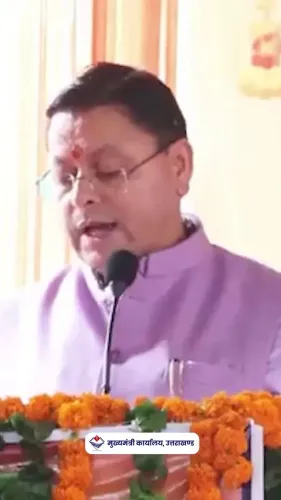
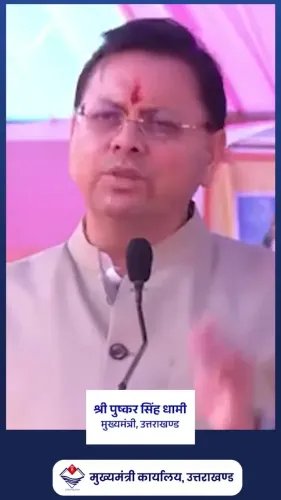
The Chief Minister's Office of Jharkhand on 27 November 2026 spotlighted Khunti women who have moved from collecting forest firewood to crafting lac bangles. It cited training, value addition and market links for a cluster of about 300 didis as a picture of self-reliance.
Key Takeaways
The Chief Minister's Office of Jharkhand on 27 November 2026 highlighted women in Khunti making lac bangles.
The office said these women earlier earned a living collecting wood from the forest.
It pointed to training, value addition and market linkage for a cluster of about 300 didis.
Khunti is a tribal-majority district where lac is a traditional non-timber forest product.
Jharkhand has long promoted lac-based crafts as an alternative to raw forest collection.
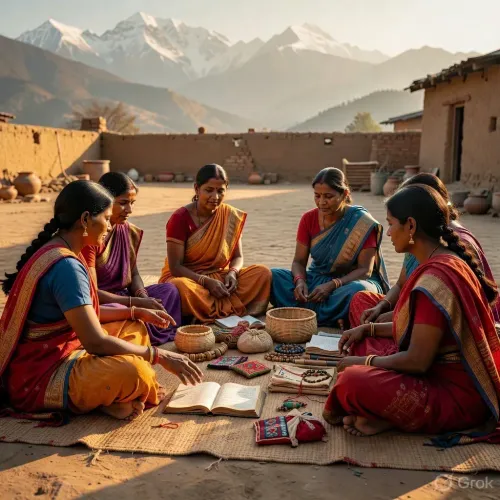
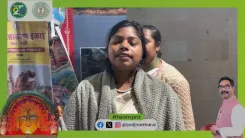
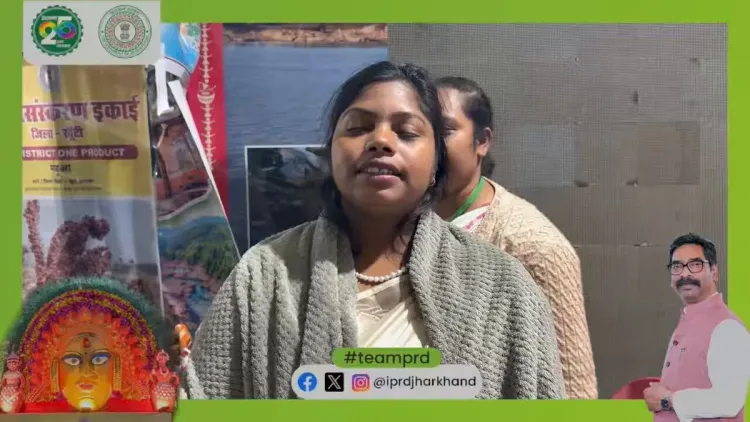
They once walked out of the jungle with firewood to keep a household running. On Friday, 27 November 2026, the Chief Minister's Office of Jharkhand said those same skilled women of Khunti are now turning lac into bangles and becoming a public example of self-reliance.
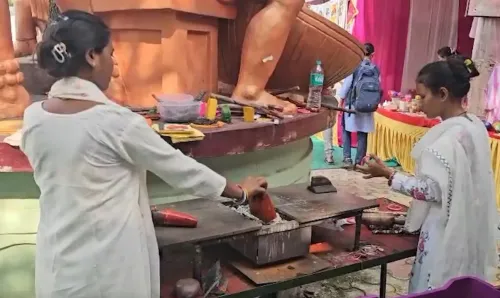
The office wrote that hands which once collected wood from the forest to earn a living are today making lah ki chudiyan (lac bangles) and standing as a model of atmanirbharta (self-reliance). Training, value addition and a market link for a cluster of about 300 didis in Khunti, it said, is truly a picture of change.
Khunti's shift from forest wood to lac jewellery
Khunti is a tribal-majority district of Jharkhand where forest-dependent households have long gathered wood and other produce for cash. Lac — the resin secreted by insects on host trees — is among the state's traditional non-timber forest products. The CMO's message frames a sharp rural sequence: take women off raw collection, teach a craft, add value, then find a buyer.
It did not name a scheme, a trainer or a shop. What it put on record is the craft and a cluster of about 300 women. That is the claim as stated by the office.
Lac livelihoods and the market test
Jharkhand administrations have, since the 2000s, promoted lac and other forest products as alternative livelihoods for tribal communities. National rural livelihood missions have pushed the same logic in tribal districts: form groups, skill them, connect them to markets. Without that last link, bangles stay a village product.
The test now is whether Khunti's lac jewellery can hold price and volume beyond the cluster — and whether other forest districts then copy the model. Self-reliance will be counted at the counter, not only in the workshop.
Point of View
The incentive to replicate in other forest districts will be obvious. If they do not, the picture of change stays local.
NationPress
28 Nov 2026
Frequently Asked Questions
What did the Jharkhand CMO say about Khunti women?
The office said women who once collected wood from forests are now making lac bangles and becoming examples of self-reliance. It cited training, value addition and market links for a cluster of about 300 didis in Khunti.
Where is Khunti and why does lac matter there?
Khunti is a tribal-majority district of Jharkhand where many households have historically depended on forest produce. Lac is a traditional non-timber forest product there and is used to make bangles and other crafts after value addition.
How many women did the Jharkhand CMO mention in the lac cluster?
The Chief Minister's Office of Jharkhand referred to a cluster of about 300 didis in Khunti. That figure is as stated in the office's post.
What is the livelihood shift described in Khunti?
The described shift is from collecting firewood and other forest produce for cash to making finished lac bangles after training and market linkage. The office presented that change as a model of self-reliance.
Are similar lac livelihood programmes common in Jharkhand?
Jharkhand administrations have, since the 2000s, promoted lac and other non-timber forest products as alternative livelihoods for tribal communities. Such efforts often sit alongside national rural livelihood missions that emphasise groups, skills and market access.