Jharkhand Film Body Signs MoU with SRFTI Kolkata
Synopsis
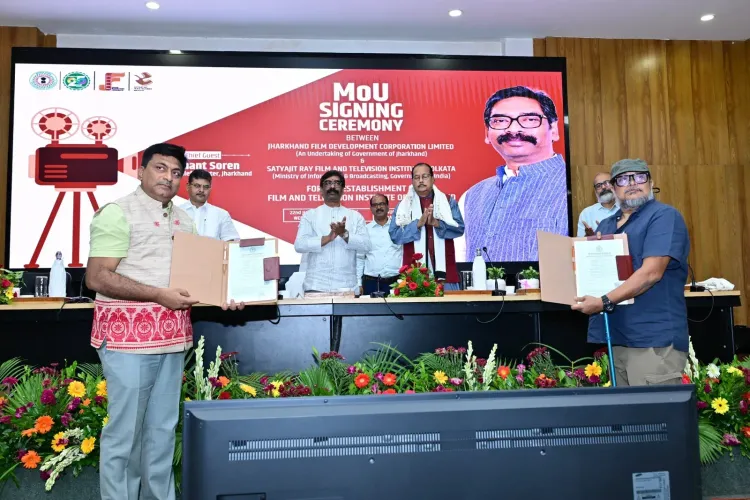
The Jharkhand Film Development Corporation Limited has signed an MoU with the Satyajit Ray Film and Television Institute in Kolkata, forging a formal partnership aimed at expanding professional film training and building creative talent in Jharkhand.
Key Takeaways
The Jharkhand Film Development Corporation Limited (JFDCL) and Satyajit Ray Film and Television Institute (SRFTI), Kolkata have signed a formal MoU.
The announcement was made by the Chief Minister's Office of Jharkhand on 22 July 2026 .
SRFTI was established in 1995 by the Government of India under the Ministry of Information and Broadcasting.
The partnership is expected to focus on skill development, short-film production, and faculty exchange for Jharkhand's aspiring filmmakers.
The MoU aligns with a national trend of state governments partnering with central film institutes to build regional creative capacity.
Specific training calendars, student intake figures, and financial terms of the MoU are yet to be announced.
The Chief Minister's Office of Jharkhand announced on Wednesday, 22 July 2026 that the Jharkhand Film Development Corporation Limited (JFDCL) has signed a Memorandum of Understanding with the Satyajit Ray Film and Television Institute (SRFTI), Kolkata, marking a formal collaboration between the state's film promotion body and one of India's premier central government film training institutions.
Context
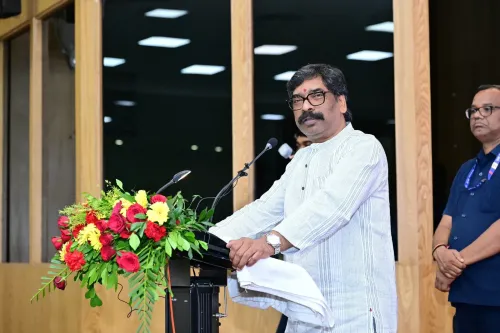
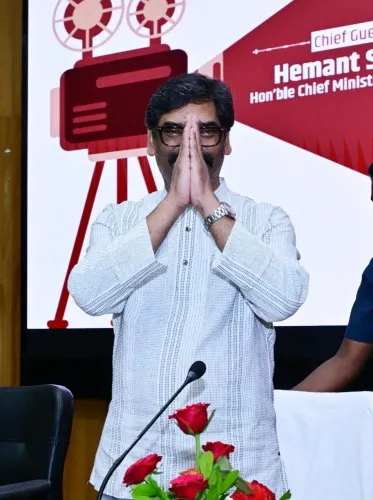
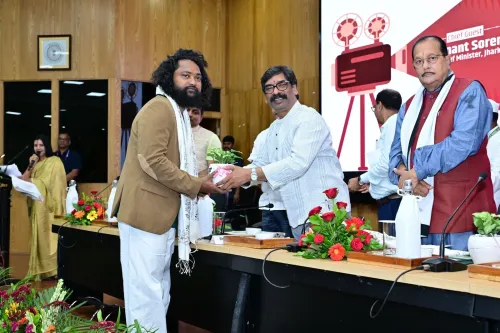
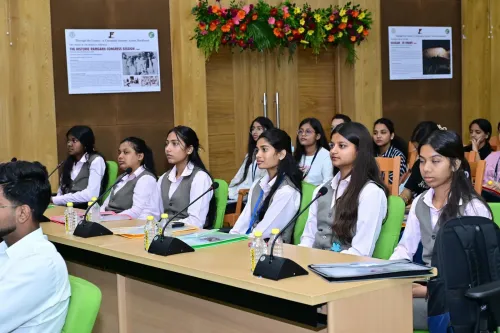
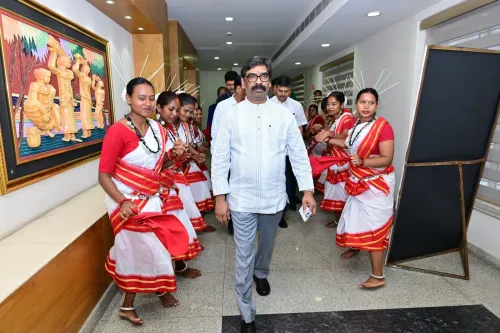
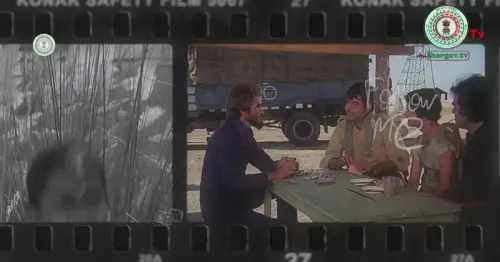
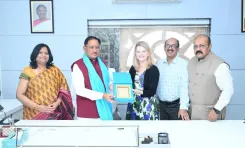
The post from the official Jharkhand CMO account reads: 'Jharkhand Film Development Corporation Limited aur Satyajit Ray Film and Television Institute, Kolkata ke beech MoU sampann' — ('An MoU has been concluded between the Jharkhand Film Development Corporation Limited and the Satyajit Ray Film and Television Institute, Kolkata'). The announcement was accompanied by five images documenting the signing event.
JFDCL is a state government undertaking established to promote film production, infrastructure, and talent within Jharkhand. SRFTI, set up by the Government of India in 1995 under the Ministry of Information and Broadcasting, offers postgraduate-level training in film direction, cinematography, editing, and allied disciplines from its campus in Kolkata.
Policy Backdrop
The agreement fits into a wider national pattern in which state governments have sought formal partnerships with central film training institutions to build regional creative capacity outside the dominant production hubs of Mumbai and Chennai. Such MoUs typically cover skill development programmes, short-film production workshops, and faculty exchange arrangements.
Jharkhand, with its diverse tribal cultures, forest landscapes, and distinct folk traditions, has long been regarded as an underutilised location and talent reservoir for Indian cinema. A structured tie-up with an institution of SRFTI's standing is intended to give aspiring filmmakers from the state access to professional-grade training and mentorship.
Stakeholders and Impact
The primary beneficiaries of this partnership are aspiring filmmakers, cinematographers, and media professionals from Jharkhand who currently have limited access to formal film education within the state. By channelling students toward SRFTI's curriculum and potentially bringing SRFTI faculty and programmes into Jharkhand, the MoU could meaningfully expand the local talent pipeline.
The Jharkhand film industry — still nascent compared to larger regional industries — stands to gain from increased institutional support, technical training, and the credibility that comes with association with a nationally recognised institute. Broader cultural stakeholders, including tribal arts communities whose traditions could inform original storytelling, may also benefit indirectly.
What's Next
The operational contours of the MoU — including specific training calendars, student intake numbers from Jharkhand, and any financial commitments — have not yet been made public. Observers will watch for the announcement of a structured training schedule and for whether this agreement becomes a building block in a larger state film policy or incentive framework for productions shot in Jharkhand.
If implemented effectively, the partnership could position Jharkhand as an emerging node in India's decentralised film education ecosystem, complementing similar state-level initiatives seen across the country in recent years.
Point of View
The Hemant Soren government signals intent to formalise the state's creative economy rather than rely on ad-hoc incentives. The move mirrors a broader decentralisation impulse in Indian cultural policy, where states increasingly seek to cultivate homegrown talent rather than export it to Mumbai. The real test will be in implementation — whether training programmes are actually operationalised and whether they feed back into a viable local production ecosystem.
NationPress
22 Jul 2026
Frequently Asked Questions
What is the MoU between JFDCL and SRFTI about?
The MoU is a formal agreement between the Jharkhand Film Development Corporation Limited and the Satyajit Ray Film and Television Institute, Kolkata, aimed at fostering collaboration in film training, skill development, and talent building for Jharkhand's aspiring filmmakers.
What is the Satyajit Ray Film and Television Institute?
The Satyajit Ray Film and Television Institute (SRFTI) is a premier central government institution in Kolkata, established in 1995 under India's Ministry of Information and Broadcasting, offering postgraduate training in film direction, cinematography, editing, and related disciplines.
What is the Jharkhand Film Development Corporation?
The Jharkhand Film Development Corporation Limited (JFDCL) is a state government undertaking tasked with promoting film production, infrastructure, and talent development within Jharkhand.
How will this MoU benefit filmmakers in Jharkhand?
The partnership is expected to give aspiring filmmakers from Jharkhand access to professional-grade training, workshops, and mentorship through SRFTI, helping build a skilled talent pool in a state where formal film education has historically been limited.
Is this the first time a state has signed an MoU with SRFTI?
No. Several Indian states have previously signed training and collaboration agreements with SRFTI and other national film institutes as part of efforts to build regional film capacity outside the traditional production hubs of Mumbai and Chennai.