Jharkhand HC seeks compliance report on stray dogs, cattle on highways
Synopsis
Jharkhand's High Court has stepped in with suo motu cognisance after finding that only 7 of 24 districts have functional Animal Birth Control centres, NHAI's fencing covers just 325 km of 3,500 km of highways, and the Centre and state are yet to deliver a coordinated fix for stray animals causing road fatalities.
Key Takeaways
The Jharkhand High Court took suo motu cognisance of stray animals on roads and National Highways on 5 November 2026 .
NHAI has identified 34 accident-prone locations and installed fencing along 325 km of a nearly 3,500 km highway network in the state.
Only 7 of Jharkhand's 24 districts have functional Animal Birth Control (ABC) centres .
More than 14,000 stray dogs have been sterilised and vaccinated in the past six months , according to the state government.
NHAI flagged pending proposals and lack of state coordination as key obstacles to progress.
The next hearing is scheduled for 3 December ; compliance reports from the Centre and state are due before that date.
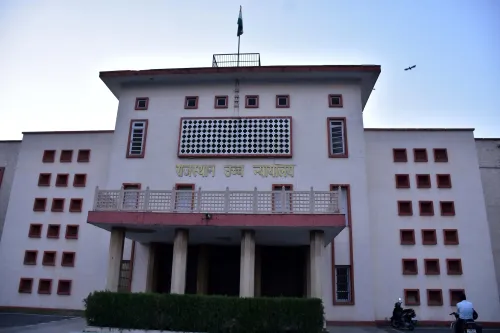
The Jharkhand High Court on Thursday, 5 November 2026, expressed serious concern over road safety hazards posed by stray dogs and cattle on roads and National Highways across the state, directing both the Centre and the state government to submit compliance reports at the earliest. The court took suo motu cognisance of the issue and scheduled the next hearing for 3 December.
NHAI Status Report
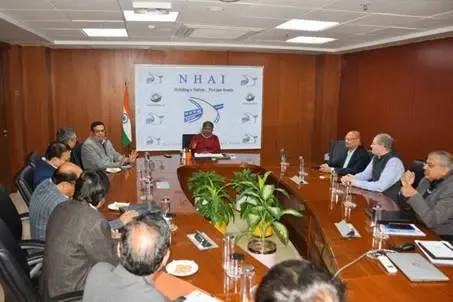
During Thursday's proceedings, the National Highways Authority of India (NHAI) submitted a status report on road safety measures across nearly 3,500 km of highways in Jharkhand. The report identified 34 accident-prone locations and noted that protective fencing has been installed along approximately 325 km of highway stretches.
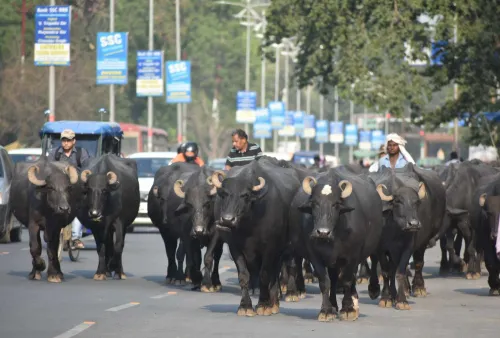
The authority further informed the court that illegal road cuts have been closed and round-the-clock highway patrol vehicles have been deployed. However, NHAI flagged that several critical proposals and coordination matters remain pending, citing what it described as inadequate support from the state government. The authority stressed the need for stronger inter-departmental coordination to prevent stray cattle from accessing highways.
Stray Dog Population: A Patchy Response
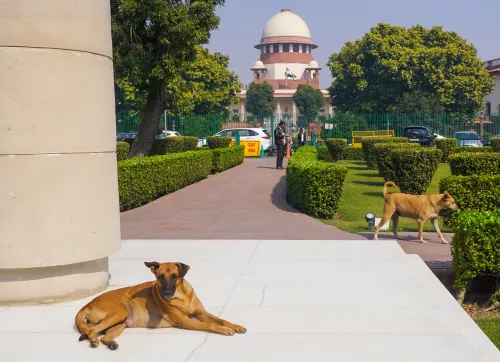
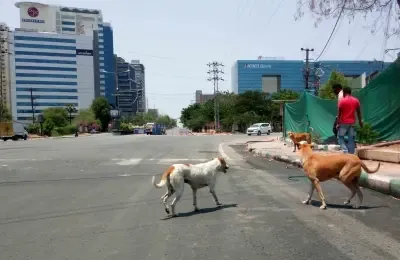
The court was informed that only seven of Jharkhand's 24 districts currently have functional Animal Birth Control (ABC) centres — a significant gap in the state's capacity to manage the stray dog problem. The state government told the court that more than 14,000 stray dogs had been sterilised and vaccinated over the past six months.
Urban local bodies have also reportedly begun identifying designated feeding zones for dogs in municipal wards, a measure aimed at reducing random movement of strays onto busy roads.
Court's Directions
The Jharkhand High Court directed all concerned agencies and government departments to ensure effective implementation of road safety and animal control measures. The court indicated it would closely monitor progress, signalling a sustained judicial watch over the issue.
Notably, the presence of stray animals on roads has long been flagged as a leading cause of accidents on Indian highways. This suo motu intervention reflects a growing pattern of High Courts stepping in where executive action has been slow or fragmented.
What Happens Next
The Centre, Jharkhand state government, and relevant departments are expected to file comprehensive compliance reports before the 3 December hearing. The court's continued scrutiny is likely to accelerate the rollout of ABC centres in the remaining 17 districts and push for firmer coordination between NHAI and state authorities on highway fencing and patrol protocols.
Point of View
And the gap between the two is where accidents happen. With only 7 of 24 districts running ABC centres, the stray dog sterilisation figure of 14,000 looks thin against the actual population load on Jharkhand's roads. The NHAI's public complaint about inadequate state coordination — filed in a court submission — is unusual candour that signals a breakdown in routine inter-agency working. Unless the 3 December hearing produces a jointly owned action plan with timelines, this risks becoming another cycle of compliance reports that substitute for compliance itself.
NationPress
5 Nov 2026
Frequently Asked Questions
Why did the Jharkhand High Court intervene on stray animals on highways?
The Jharkhand High Court took suo motu cognisance of the road safety risks posed by stray dogs and cattle on roads and National Highways in the state. The court found that existing measures were inadequate and directed the Centre and the state government to submit compliance reports, with the next hearing fixed for 3 December.
What has NHAI done to improve road safety in Jharkhand?
NHAI submitted a status report identifying 34 accident-prone locations and confirming that fencing has been installed along approximately 325 km of the nearly 3,500 km of highways in the state. The authority has also closed illegal road cuts and deployed round-the-clock patrol vehicles, but flagged pending proposals due to insufficient state coordination.
How many Animal Birth Control centres are operational in Jharkhand?
Only 7 of Jharkhand's 24 districts currently have functional Animal Birth Control (ABC) centres, according to information placed before the High Court. The state government said more than 14,000 stray dogs have been sterilised and vaccinated over the past six months.
What are the next steps after the Jharkhand High Court's order?
The Centre, the Jharkhand state government, and relevant departments are required to file compliance reports before the next hearing on 3 December. The court has directed all agencies to ensure effective implementation of both road safety measures and stray animal control programmes.
What measures are being taken for stray dogs specifically in Jharkhand?
Beyond sterilisation and vaccination of over 14,000 dogs in six months, urban local bodies in Jharkhand have begun identifying designated feeding zones for dogs in municipal wards. However, the limited coverage of ABC centres across only 7 districts remains a significant gap flagged by the High Court.