Jharkhand Cabinet hikes wild animal attack compensation to ₹10 lakh, clears salary advance scheme
Synopsis
The Jharkhand Cabinet has more than doubled compensation for wild animal attack deaths — from ₹4 lakh to ₹10 lakh — while also clearing an interest-free salary advance scheme for state employees via NBFCs. The twin moves signal the Soren government's focus on welfare in a state where human-wildlife conflict and employee financial stress are persistent pressure points.
Key Takeaways
The Jharkhand Cabinet on 15 June raised wild animal attack death compensation from ₹4 lakh to ₹10 lakh .
Serious injury victims will get ₹2 lakh ; minor injuries ₹35,000 ; permanent disability ₹3.5 lakh .
State employees can now draw interest-free salary advances for up to 30 days via NBFCs , with no exchequer burden. ₹947.26 crore approved for the Amanat Barrage project in Palamu district ; ₹162.82 crore for Namkum-Doranda road widening in Ranchi .
Mining leases cleared for coal blocks in Bokaro and Godda districts; mineral block reservation sought in East Singhbhum .
Advocate Rohitashya Rai formally appointed as Advocate General of Jharkhand .
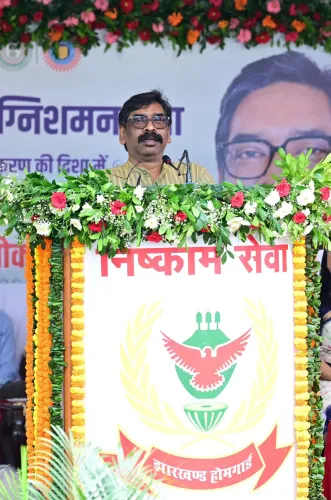
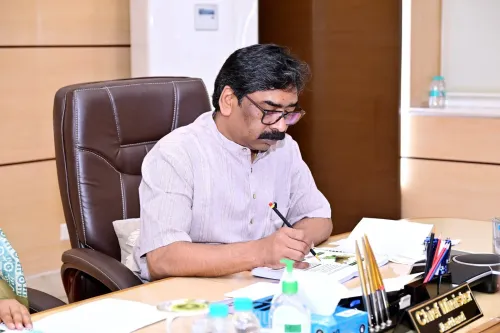
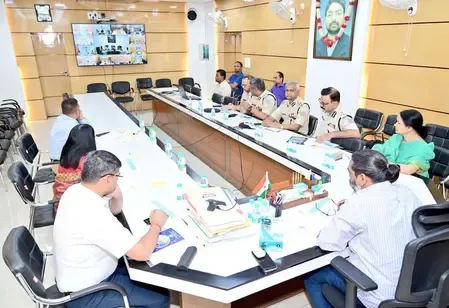
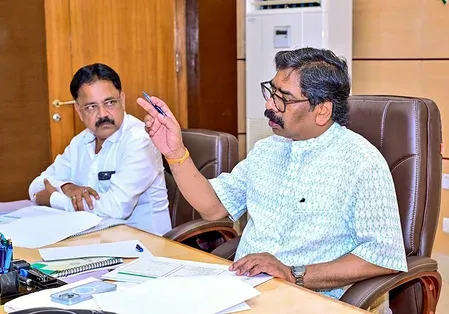
The Jharkhand Cabinet on Monday, 15 June approved a significant increase in ex gratia payments for deaths caused by wild animal attacks — raising the compensation from ₹4 lakh to ₹10 lakh — among a series of decisions taken at a meeting chaired by Chief Minister Hemant Soren in Ranchi. A time-bound disbursement mechanism will accompany the revised payouts, ensuring immediate relief reaches affected families.
Revised Compensation for Animal Attack Victims
Under the updated framework, families of those killed in wild animal attacks will receive ₹10 lakh, more than double the earlier ₹4 lakh. Victims who suffer serious injuries will be entitled to ₹2 lakh, those with minor injuries will receive ₹35,000, and cases of permanent disability will attract a payout of ₹3.5 lakh. The government has introduced a streamlined, time-bound process to ensure compensation is not delayed by administrative bottlenecks — a long-standing grievance in forested districts where human-wildlife conflict is frequent.
Salary Advance Scheme for State Employees
The Cabinet also cleared a proposal allowing state government employees to draw salary advances and access easy loan facilities during financial emergencies. The scheme will be operated through non-banking financial companies (NBFCs), with the government stating it will shield employees from high-interest informal borrowing. Employees can avail salary advances for up to 30 days with no interest or additional charges, provided the amount is repaid within the same salary cycle. Longer-tenure loans will be available in easy instalments. Officials clarified the arrangement will impose no additional burden on the state exchequer.
Infrastructure and Mining Approvals
The Cabinet granted administrative approval of ₹947.26 crore for the Amanat Barrage project in Palamu district, considered critical for irrigation and agriculture in the region. A further ₹162.82 crore was sanctioned for four-laning and strengthening of the Namkum-Doranda road in Ranchi. On the mining front, leases were approved for the Parbatpur and Sitanala coal blocks in Bokaro district and the Jeetpur coal block in Godda district. The Cabinet also decided to seek central government approval for reserving certain mineral blocks in East Singhbhum.
Other Key Decisions
The Cabinet approved pay uniformity for contractual computer operators and data entry operators across state departments, addressing long-standing pay disparities. Services of certain employees at the Bokaro and Godda district collectorates were regularised, and appointments to the post of Motor Vehicle Inspector were cleared based on Jharkhand Staff Selection Commission recommendations. Among other approvals: continuation of the Women's Helpline 181 services, extension of the Jharnet 2.0 project, formation of an independent expert panel under the Dam Safety Act, and adoption of a hybrid model for the Forest Department. The appointment of Advocate Rohitashya Rai as Advocate General of Jharkhand was also formally confirmed.
With the revised compensation rates and the salary advance scheme now cleared, the Soren government's next challenge will be ensuring swift on-ground implementation — particularly in remote districts where animal attack incidents are most acute.
Point of View
And without a hard deadline and accountability chain, the revised figures remain aspirational. The NBFC-routed salary advance scheme is pragmatic but raises a quiet question: why are state employees so financially stressed that an advance-salary product is a Cabinet-level priority? The answer likely lies in delayed salaries and the absence of formal credit access in smaller postings — a structural issue the scheme addresses symptomatically, not structurally.
NationPress
22 Sept 2026
Frequently Asked Questions
What is the new compensation for wild animal attack deaths in Jharkhand?
The Jharkhand Cabinet has raised the ex gratia for deaths caused by wild animal attacks from ₹4 lakh to ₹10 lakh, effective from the Cabinet decision on 15 June. A streamlined, time-bound disbursement mechanism has also been introduced to ensure faster relief to affected families.
Who is eligible for the revised animal attack compensation in Jharkhand?
Families of victims killed in wild animal attacks are eligible for ₹10 lakh. Victims with serious injuries can claim ₹2 lakh, those with minor injuries ₹35,000, and those with permanent disability ₹3.5 lakh, under the revised framework approved by the Jharkhand Cabinet.
How does the new salary advance scheme for Jharkhand government employees work?
State employees can draw a portion of their salary in advance during the month through non-banking financial companies (NBFCs). Advances repaid within the same salary cycle attract no interest or charges; longer-term loans are available in easy instalments. The government has stated the scheme will not burden the state exchequer.
What is the Amanat Barrage project approved by the Jharkhand Cabinet?
The Amanat Barrage project in Palamu district received administrative approval of ₹947.26 crore. The project is considered critical for improving irrigation and agricultural water supply in the district.
Who has been appointed as the new Advocate General of Jharkhand?
Advocate Rohitashya Rai has been formally appointed as the Advocate General of Jharkhand, following Cabinet approval at the 15 June meeting chaired by Chief Minister Hemant Soren.