Jharkhand's Mandar drum earns GI Tag under CM Hemant Soren
Synopsis
The Mandar, Jharkhand's iconic Adivasi percussion instrument, has received a Geographical Indication tag from DPIIT, announced the Chief Minister's Office on 29 September 2026. It joins Sohrai Khovar painting, Kuchai Silk, Dokra craft and others in a growing GI portfolio built under Chief Minister Hemant Soren.
Key Takeaways
The Mandar — a traditional tribal drum central to Adivasi ceremonial life in Jharkhand — has been granted a GI Tag by DPIIT.
The announcement was made by the Chief Minister's Office of Jharkhand on 29 September 2026 .
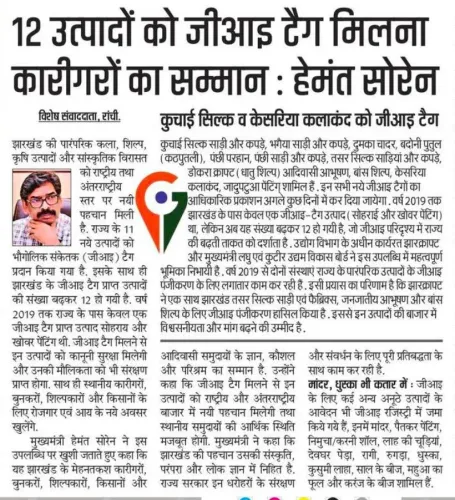
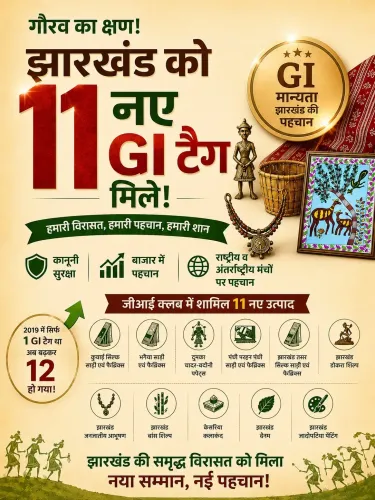
Jharkhand now holds GI tags for at least six products: Sohrai Khovar painting, Kesaria Kalakand, Kuchai Silk, Bhagaiya Saree, Dokra craft, and Mandar.
GI protection under the Geographical Indications of Goods (Registration and Protection) Act, 1999 legally ties the product to its region of origin, helping artisans against imitation.
The state's sustained GI push reflects a partnership between the Jharkhand government and DPIIT to protect indigenous products commercially.
Rollout of producer collectives and market linkages for Mandar craftsmen will determine the practical economic impact of the tag.
The heartbeat of Jharkhand's tribal soul now carries official recognition. The Chief Minister's Office of Jharkhand announced on Tuesday, 29 September 2026 that the Mandar — the iconic percussion instrument central to Adivasi ritual and celebration — has been granted a Geographical Indication (GI) Tag by the Department for Promotion of Industry and Internal Trade (DPIIT).
What the Mandar means to Jharkhand's Adivasi identity
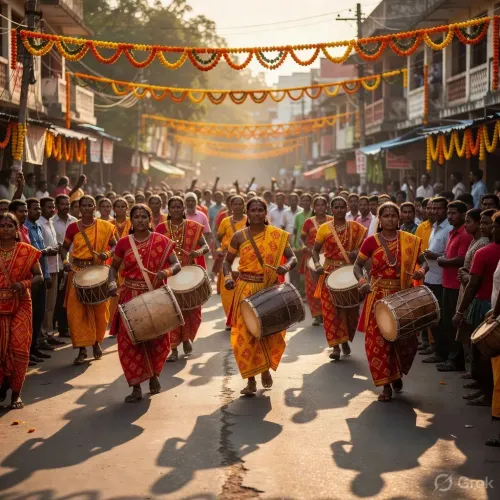
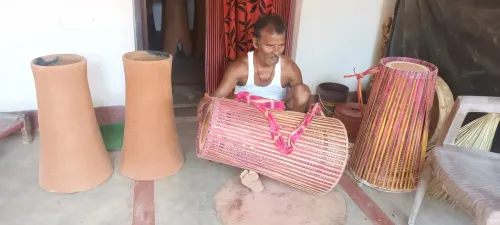
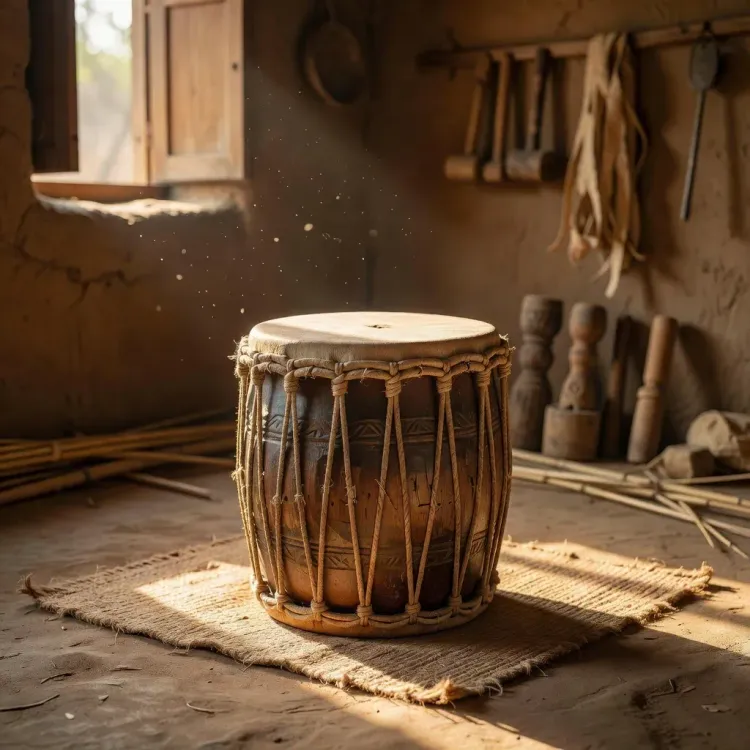
The Mandar is no ordinary drum. Barrel-shaped, typically crafted from hollowed wood and animal hide, it anchors virtually every significant moment in tribal life — from sowing songs to wedding processions to the sarhul (spring festival) dances of the Oraon, Munda, and Ho communities. The CMO's post described it precisely: 'मांदर की बनावट और ध्वनि आदिवासी संस्कृति की धड़कन है' — 'the structure and sound of the Mandar is the heartbeat of tribal culture.' That phrase is not poetry. It is policy justification.
A GI tag under the Geographical Indications of Goods (Registration and Protection) Act, 1999 legally binds the product to its place of origin, shielding it from imitation and giving genuine artisans a market edge. For Mandar makers concentrated in Jharkhand's tribal belts, that edge can mean the difference between a living craft and a dying one.
Jharkhand's growing GI portfolio under Hemant Soren
The Mandar tag is the latest in a deliberate sequence. Under Chief Minister Hemant Soren, Jharkhand has now secured GI recognition for a string of heritage products: Sohrai Khovar painting (the vivid cave-inspired wall art of Hazaribagh), Kesaria Kalakand (the saffron-hued sweet of Deoghar), Kuchai Silk (wild tussar from Seraikela-Kharsawan), Bhagaiya Saree, and Dokra craft (the lost-wax metal casting of forest communities). Each addition builds a statutory shield around products that were historically vulnerable to commercial copying without attribution.
The pattern reflects a deliberate state-centre partnership: Jharkhand's government nominates products and works with DPIIT to shepherd applications through the GI Registry, a process that involves public notices, opposition windows, and examination by technical authorities.
What GI status means for Mandar artisans
Recognition is the beginning, not the end. The tangible gains for tribal craftsmen depend on what follows — whether producer collectives or self-help groups are formed to use the GI label commercially, whether e-commerce linkages bring buyers to remote workshops, and whether the state government channels craft-development funds toward Mandar makers specifically. These are the steps worth watching as the tag moves from gazette to ground.
For now, Jharkhand has made one thing unmistakably clear: the drum that called communities to worship, war, and harvest for centuries is no longer just heritage. It is protected property.
Point of View
Whose JMM base is rooted in Adivasi communities for whom the instrument carries deep identity weight. The broader pattern across India shows that GI registration without downstream market infrastructure often stalls at symbolism; Jharkhand's real test is whether the new tag translates into income for the craftsmen who make Mandars by hand. The state's consistent engagement with DPIIT also positions it as a model for other tribal-majority states seeking to use IP law as a heritage-preservation tool.
NationPress
29 Sept 2026
Frequently Asked Questions
What is the Mandar and why is it important in Jharkhand?
The Mandar is a barrel-shaped traditional drum crafted from wood and animal hide, considered central to Adivasi cultural and ceremonial life in Jharkhand. It is used in festivals, dances, and rituals by communities such as the Oraon, Munda, and Ho, making it a defining symbol of tribal identity in the state.
What does a GI Tag mean for the Mandar?
A Geographical Indication tag legally certifies that the Mandar is a product originating from a specific region of Jharkhand. It prevents manufacturers elsewhere from selling imitation products under the same name, giving authentic Jharkhand craftsmen a market advantage and legal protection under the GI Act of 1999.
Which products from Jharkhand have GI Tags?
Jharkhand has secured GI tags for Sohrai Khovar painting, Kesaria Kalakand, Kuchai Silk, Bhagaiya Saree, Dokra craft, and now the Mandar drum, reflecting a sustained effort under Chief Minister Hemant Soren to protect tribal heritage products.
Who grants GI Tags in India?
Geographical Indication tags in India are granted by the GI Registry under the Department for Promotion of Industry and Internal Trade (DPIIT), which operates under the Central Government. Applications go through a formal process involving examination, public notice, and an opposition window.
Will Mandar artisans directly benefit from the GI Tag?
The GI tag creates the legal foundation for economic benefits, but actual gains for craftsmen depend on subsequent steps such as formation of registered producer collectives, use of the GI label on products sold commercially, and government or market linkages that connect artisans to wider buyers.