CM Hemant Soren Backs IDTR MoU in Jamshedpur for Road Safety
Synopsis
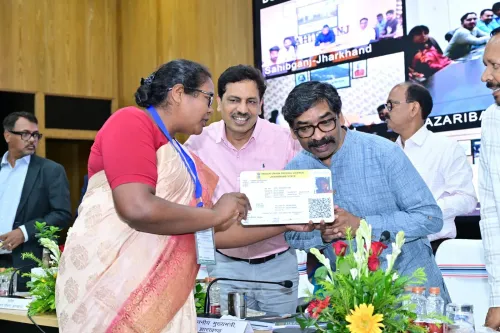
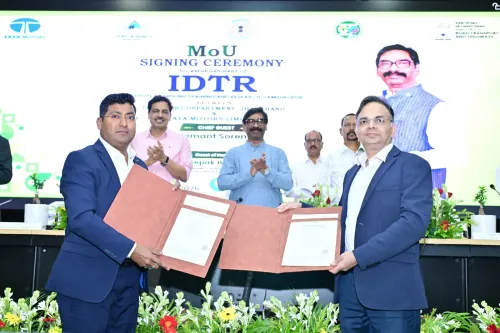
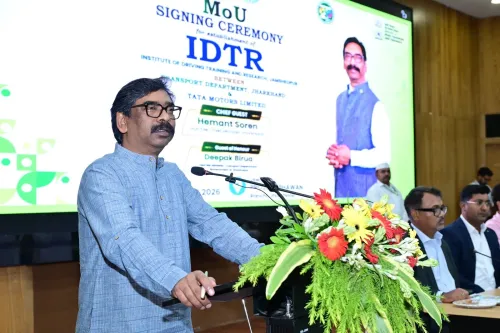
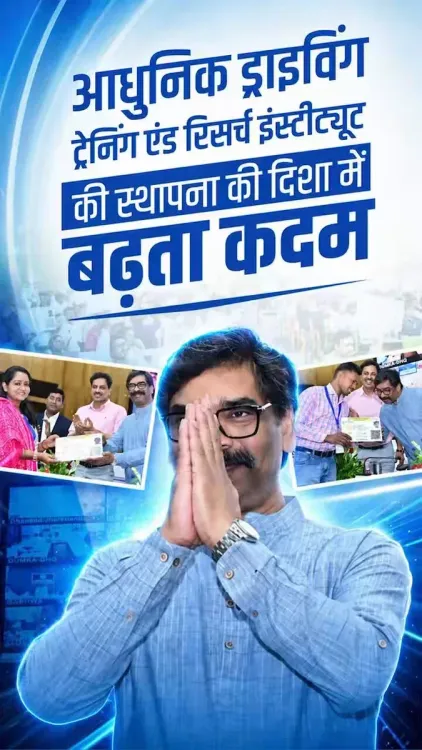
Chief Minister Hemant Soren presided over an MoU signing in Jamshedpur on 28 July 2026 to establish an Institute of Driving Training and Research (IDTR) in partnership with Tata Motors and the state Transport Department, aiming to skill Jharkhand youth and improve road safety.
Key Takeaways
An MoU to establish an IDTR in Jamshedpur was signed on 28 July 2026 in the presence of CM Hemant Soren .
Tata Motors , which has a major manufacturing base in Jamshedpur, is a key partner in the initiative.
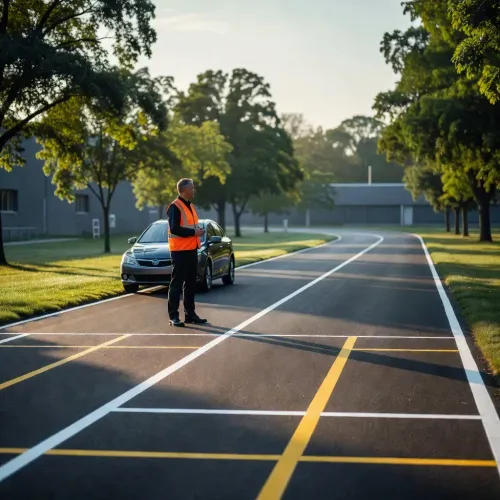
The institute will provide modern, structured driver training to boost road safety across Jharkhand.
Jharkhand's Transport Department is a signatory, linking IDTR certification to the state's formal licensing framework.
The initiative targets Jharkhand's youth, offering a certified skill with commercial value in logistics and transport sectors.
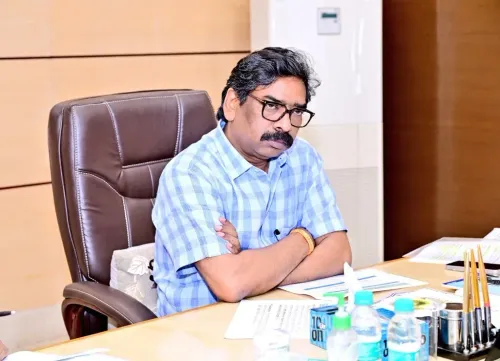
Jharkhand is betting on a new alliance between government ambition and industrial muscle to fix one of India's most stubborn problems — road deaths caused by undertrained drivers. In Jamshedpur on Tuesday, 28 July 2026, a Memorandum of Understanding was signed in the presence of Chief Minister Hemant Soren to establish an Institute of Driving Training and Research (IDTR) in the state, with Tata Motors among the key partners.
The Chief Minister's Office announced the development on X, stating: 'युवा बनेंगे हुनरमंद, आधुनिक ड्राइविंग ट्रेनिंग से राज्य में सड़क सुरक्षा को मिलेगा बढ़ावा' — 'Youth will become skilled, and modern driving training will boost road safety in the state.' The MoU brings together the state's Transport Department and Tata Motors in a public-private framework aimed at upgrading driver training from a perfunctory licence exercise to a structured, research-backed discipline.Why Jamshedpur, and Why Now
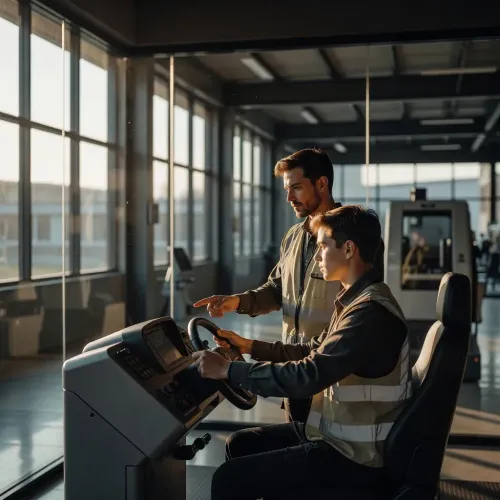
Jamshedpur is not an incidental choice. The city has been synonymous with Tata Motors for decades — its manufacturing base there is one of the company's oldest and largest — making it a natural anchor for an automotive-linked safety institution. IDTRs are modelled on a national framework that uses simulators, structured curricula, and certified instructors to train drivers to a higher standard than conventional driving schools. Several Indian states have established such institutes through industry-government partnerships, and Jharkhand's move places it on that map. The involvement of the state's Transport Department signals that the IDTR's output — trained, certified drivers — is intended to feed into the formal licensing ecosystem, not run parallel to it. For Jharkhand's youth, that means a credential with genuine market value in logistics, commercial transport, and the automotive sector.Tata Motors' Role in Jharkhand's Skill Push
Tata Motors' participation extends the company's long-standing footprint in Jamshedpur beyond manufacturing into workforce development. Pairing a major vehicle maker with a driver-training institute creates an obvious feedback loop: industry knows what competent drivers look like, and the institute can align its standards accordingly. The MoU was also tagged to Deepak Birua, Jharkhand's Transport Minister, underscoring that the state sees this as a policy priority, not a ceremonial handshake. The physical establishment of the IDTR facility and its first enrolment cycle will be the real test of the MoU's intent. Timelines and operational details are yet to be made public.A state long defined by its mines and mills is now writing a new chapter — one where its young people leave not just with labour skills, but with certified, safety-graded expertise behind the wheel.
Point of View
Welfare-oriented narrative ahead of any electoral cycle.
NationPress
27 Oct 2026
Frequently Asked Questions
What is an IDTR and what will it do in Jharkhand?
An Institute of Driving Training and Research (IDTR) provides advanced, structured driver training using simulators and certified instructors, going beyond standard driving schools. The Jharkhand IDTR, to be established in Jamshedpur, will train youth to higher road-safety standards and align with the state's formal licensing system.
Why is the IDTR being set up in Jamshedpur?
Jamshedpur is home to Tata Motors' major manufacturing operations, making it a natural fit for an automotive-linked driver training institute. The city's industrial base provides both infrastructure and sectoral expertise for the initiative.
What is Tata Motors' role in the Jharkhand IDTR MoU?
Tata Motors is a key private-sector partner in the MoU, bringing its automotive expertise and Jamshedpur presence to the public-private training initiative alongside the Jharkhand Transport Department.
Who signed the IDTR MoU in Jharkhand?
The MoU was signed on 28 July 2026 in the presence of Chief Minister Hemant Soren. Jharkhand's Transport Department and Tata Motors were among the signatories, with Transport Minister Deepak Birua also associated with the event.
How will the IDTR benefit Jharkhand's youth?
The IDTR will offer certified, modern driver training that carries market value in logistics, commercial transport, and the automotive sector — giving Jharkhand youth a recognised, employable credential.