JSSC exam cancellation: Jharkhand student leader pushes for leak-proof law in 'second stage'
Synopsis
Jharkhand's student protest didn't end with the cancellation of 14 JSSC and TDPL exams — it escalated. Student leader Devendra Nath Mahto is now demanding a state Assembly law to make future paper leaks a punishable offence, arguing that administrative fixes have failed twice already. The real battle for Jharkhand's job aspirants is just beginning.
Key Takeaways
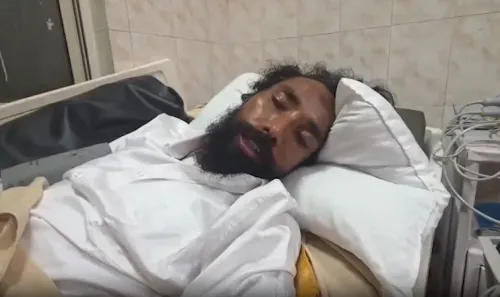
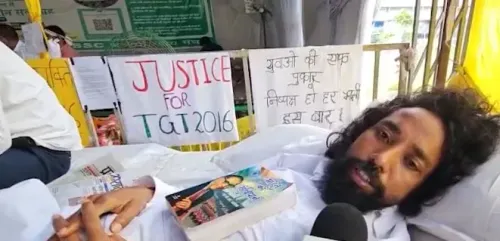
Devendra Nath Mahto ended a 16-day hunger strike on 18 August after the Jharkhand government cancelled all JSSC and TDPL examinations.
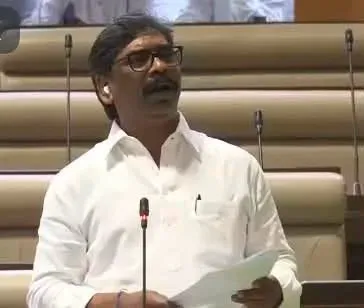
A special Cabinet meeting chaired by Chief Minister Hemant Soren approved the cancellation of 14 examinations .
The JSSC-CGL exam had previously been cancelled on 28 January 2024 due to a paper leak; its re-examination was also compromised.
Mahto has now launched a 'second stage' demanding a state Assembly law guaranteeing leak-proof recruitment examinations, with constitutional amendment if needed.
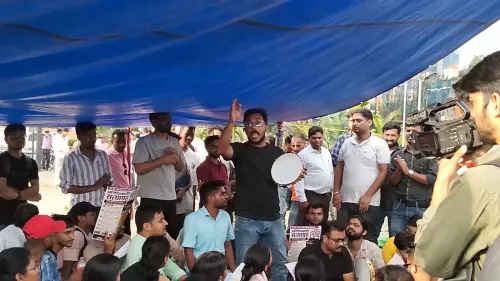
Students celebrated at Jaipal Singh Munda Stadium in Ranchi after 24 days of agitation, calling the cancellation a major victory.
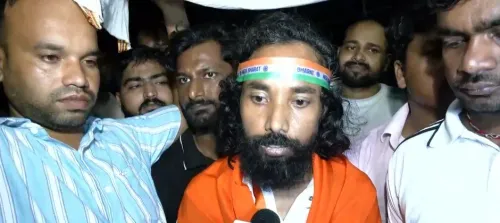
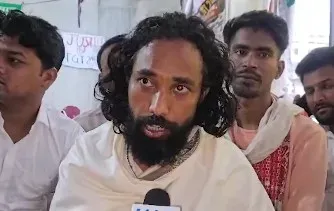
Student leader Devendra Nath Mahto on 18 August announced that the protest movement against examination irregularities in Jharkhand is entering its second phase — one that demands a legally binding, leak-proof examination framework from the state government. The declaration came after Mahto ended a 16-day hunger strike following the Jharkhand government's cancellation of all examinations conducted by the Jharkhand Staff Selection Commission (JSSC) and TDPL at a special Cabinet meeting chaired by Chief Minister Hemant Soren.
What the Second Stage Demands
Mahto made clear that the cancellation of 14 examinations is only a partial victory. He said the movement's ultimate goal is a structural overhaul of Jharkhand's entire recruitment and examination ecosystem — one rooted in transparency and free of corruption.
'We want recruitment examinations which are secure from any kind of paper leaks. The government must now guarantee a system that leaves no room for future paper leaks, issues in question paper setting, or any form of malpractice during examinations,' Mahto said. He called for the state Assembly to pass a dedicated law, adding that a constitutional amendment should be pursued if necessary to achieve this objective.
Why the Demand Carries Weight
Mahto pointed to a damaging pattern of repeat failures in Jharkhand's examination system. The JSSC-CGL examination — one of the 14 now cancelled — had already been scrapped once before on 28 January 2024 following a paper leak. The re-examination, meant to correct the breach, was itself compromised by another leak, forcing a second cancellation. 'So, the 14 exams which have now been cancelled — what is the guarantee that paper leaks won't happen again?' Mahto asked.
He noted that investigations into examination irregularities have been ongoing 'even since the formation of Jharkhand,' yet students have not received justice. This context lends urgency to the demand for a legislative fix rather than administrative assurances alone.
How the Hunger Strike Ended
Mahto ended his fast on its 16th day following a joint intervention by Jharkhand Health Minister Irfan Ansari, Minister Deepika Pandey, and MLA Jairam Mahto. 'Today, on the 16th day of our hunger strike, we ended our fast in a dignified manner... All the demands for which we had been protesting constitutionally and peacefully have been fulfilled,' he said, thanking the government, students, and supporters.
Celebrations at Jaipal Singh Munda Stadium
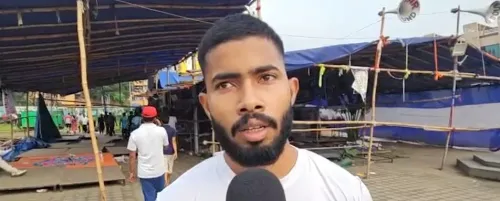
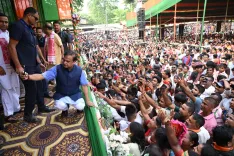
The Cabinet's decision triggered spontaneous celebrations among students gathered at Jaipal Singh Munda Stadium in Ranchi. Despite heavy rain, protesters embraced, distributed sweets, raised slogans, and celebrated with colours and fireworks. They described the JSSC-CGL cancellation as a decisive win after 24 days of sustained agitation.
What Comes Next
With the first stage of demands met, attention now shifts to whether the Jharkhand government will legislate the systemic safeguards Mahto has outlined. Mahto argued that a robust anti-leak law would benefit not just the current generation of job aspirants but future ones as well. The pressure on the Soren administration to move from cancellation to prevention is now squarely in focus.
Point of View
Not a structural solution — and Mahto knows it. The JSSC-CGL had already been cancelled once, re-run, and compromised again; the pattern reveals an administration that responds to pressure rather than prevents failure. Demanding a legislative fix is the right instinct, but Jharkhand's track record on institutional reform is thin. Without enforceable penalties, independent oversight, and transparent question-paper security protocols written into law, the next paper leak is a matter of when, not if. The Soren government now faces a harder ask than cancellation: it must legislate accountability.
NationPress
2 Oct 2026
Frequently Asked Questions
Why were JSSC and TDPL examinations cancelled in Jharkhand?
The Jharkhand government cancelled all examinations conducted by the Jharkhand Staff Selection Commission (JSSC) and TDPL following sustained student protests over repeated paper leaks and examination irregularities. The decision was taken at a special Cabinet meeting chaired by Chief Minister Hemant Soren.
Who is Devendra Nath Mahto and what is he demanding?
Devendra Nath Mahto is a student leader in Jharkhand who led a 16-day hunger strike demanding the cancellation of tainted examinations. After that demand was met, he announced a 'second stage' calling for a state Assembly law that legally guarantees leak-proof recruitment examinations, with constitutional amendment pursued if required.
What happened to the JSSC-CGL exam before this cancellation?
The JSSC-CGL examination had already been cancelled on 28 January 2024 due to a paper leak. Its re-examination was also compromised by another leak, resulting in a second cancellation — the pattern that student protesters cited as evidence of systemic failure.
How did the hunger strike end?
The hunger strike ended on its 16th day following a joint intervention by Jharkhand Health Minister Irfan Ansari, Minister Deepika Pandey, and MLA Jairam Mahto. Devendra Nath Mahto said all demands from the first stage of the protest had been fulfilled.
What is the significance of the proposed leak-proof examination law?
Mahto argues that administrative cancellations alone cannot prevent future paper leaks, given Jharkhand's history of repeat irregularities dating back to the state's formation. A dedicated law would establish legal penalties for malpractice and create a binding accountability framework — something no executive order currently provides.