Jharkhand toddler raped in Gumla; panchayat fined accused ₹1 lakh, spent part on liquor feast

Synopsis
A village panchayat in Jharkhand's Gumla district tried to bury the rape of a three-year-old by fining the accused ₹1 lakh — and using part of the money to fund a meat-and-liquor feast. Police arrived while the celebration was still underway, arrested the accused, and registered an FIR. The case exposes how informal justice mechanisms can become instruments of impunity in child sexual abuse cases.
Key Takeaways
A three-year-old girl was allegedly raped by Sunil Lohra at Palma village, Gumla district, Jharkhand around 4 pm on Saturday .
A village panchayat imposed a ₹1 lakh fine on the accused instead of reporting the crime to police. ₹20,000 paid upfront by the accused was used to fund a liquor-and-meat feast for panchayat members.
Police received a tip-off, reached the village while the feast was underway, recorded the mother's statement, and registered an FIR .
The accused has been arrested ; further investigation is ongoing.
The case falls under the POCSO Act ; panchayat-level settlements in such crimes are legally void and may attract obstruction charges.
A three-year-old girl was sexually assaulted in Palma village of Gumla district, Jharkhand, after which a village panchayat allegedly attempted to suppress the crime by imposing a ₹1 lakh fine on the accused instead of alerting police, officials said on Monday, 13 July. The case came to light only after a tip-off reached law enforcement, prompting an intervention that led to the registration of a First Information Report (FIR) and the arrest of the accused.
How the Crime Came to Light
The assault took place around 4 pm on Saturday when the accused, identified as Sunil Lohra, visited the victim's home. According to investigators, Lohra offered to look after the child so that her mother could attend to household chores. He then took the girl into a room and sexually assaulted her. The mother, alerted by her daughter's cries, rushed in to find the child bleeding.
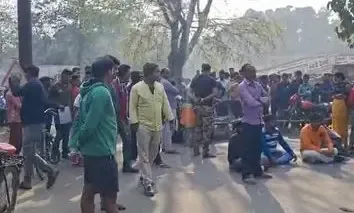
Rather than reporting the matter to police, the victim's family — allegedly under pressure from villagers — took the case to the local panchayat. According to officials, some panchayat members first took the child to a private doctor, then convened a public meeting on Sunday at which a ₹1 lakh fine was imposed on Lohra to settle the matter within the village.
The Panchayat's Role and the Liquor Feast
Of the total fine, ₹20,000 was paid by Lohra on the spot, with the remaining ₹80,000 ordered to be paid within a week, according to officials. The ₹20,000 collected was reportedly used to fund a feast involving meat and liquor for those present at the panchayat gathering. Police arrived at the village while the feast was still underway, according to investigators.
This is a deeply troubling dimension of the case: the attempt to monetise and socialise the suppression of a child rape allegation reflects a pattern of informal justice mechanisms being weaponised to shield perpetrators from the law, critics argue.
Police Action and Legal Proceedings
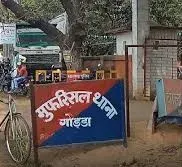
Acting on the tip-off, police reached Palma village, recorded the statement of the victim's mother, and registered an FIR. The accused, Sunil Lohra, was subsequently arrested. Officials confirmed that further proceedings are underway.
The case falls under the Protection of Children from Sexual Offences (POCSO) Act, which mandates mandatory reporting of child sexual abuse to authorities. Panchayat-level settlements in such cases are not only legally void but potentially expose participants to criminal liability for obstruction of justice.
Broader Context
This is not an isolated pattern in rural India. Rights groups have repeatedly flagged instances where informal village councils attempt to resolve serious crimes — including sexual assault — through fines or social pressure, effectively denying victims access to formal justice. Jharkhand has seen several such cases in recent years, raising questions about awareness, enforcement of POCSO provisions, and the reach of the formal justice system in remote districts.
Authorities have not yet indicated whether panchayat members who participated in the settlement attempt will face charges. Further details are awaited as the investigation continues.
Point of View
Converting a ₹1 lakh fine into a social occasion. The fact that the victim's family stayed silent under community pressure underscores how POCSO's mandatory reporting provisions remain largely theoretical in remote rural India. What is also missing from the official response so far is any indication that panchayat members who organised the settlement will themselves face prosecution. Without accountability at that level, the deterrent is incomplete. Jharkhand's administration needs to address not just this case but the structural gap that allows informal councils to function as parallel courts in the most serious of crimes.
NationPress
12 Oct 2026
Frequently Asked Questions
What happened in the Gumla toddler rape case in Jharkhand?
A three-year-old girl was sexually assaulted by Sunil Lohra in Palma village, Gumla district, Jharkhand, around 4 pm on a Saturday. Instead of reporting the crime to police, the victim's family — under alleged community pressure — took the matter to the village panchayat, which imposed a ₹1 lakh fine on the accused to settle it internally.
How did the police find out about the rape case?
Police received an anonymous tip-off that the village panchayat was attempting to settle a child rape case through a fine. Officers reached Palma village, recorded the victim's mother's statement, registered an FIR, and arrested the accused — all while a feast funded by the accused's ₹20,000 payment was still in progress.
What was the ₹1 lakh fine used for?
Of the ₹1 lakh fine imposed by the panchayat, ₹20,000 was paid immediately by the accused, Sunil Lohra. According to officials, this amount was used to organise a feast involving meat and liquor for those present at the panchayat gathering. The remaining ₹80,000 was to be paid within a week.
Is a panchayat allowed to settle rape cases?
No. Under the Protection of Children from Sexual Offences (POCSO) Act, sexual crimes against minors must be reported to police — failure to do so is itself a criminal offence. Panchayat-level settlements in such cases have no legal standing and those who participate in suppressing such cases can face charges of obstruction of justice.
Have the panchayat members been charged?
As of the latest available information, officials have confirmed the arrest of the accused, Sunil Lohra, and said further proceedings are underway. It has not yet been confirmed whether panchayat members who organised the settlement attempt will face criminal charges.