Jal Shakti Minister Paatil chairs national water secretaries' meet
Synopsis
Union Jal Shakti Minister C. R. Paatil convened senior water-department secretaries from all states and UTs at New Delhi's Sushma Swaraj Bhawan on 13 July 2026, prioritising water conservation, irrigation efficiency, dam safety, and PM Modi's 'Catch the Rain' campaign as pillars of national water security.
Key Takeaways
Union Jal Shakti Minister C.
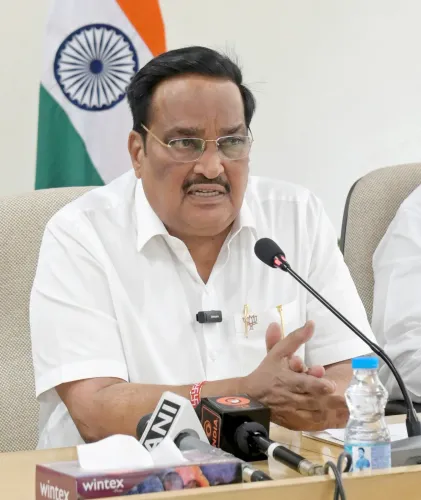
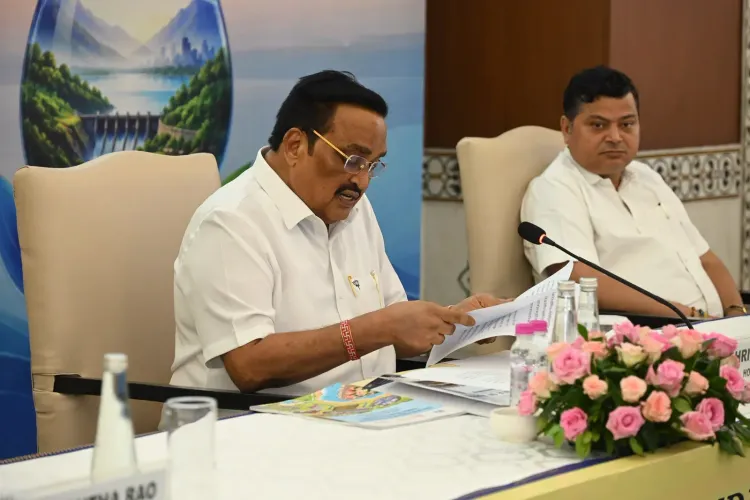
Paatil chaired the All-India Conference of State Water Resources Secretaries at Sushma Swaraj Bhawan, New Delhi on 13 July 2026 .
Key agenda items included water conservation, irrigation water-use efficiency, dam safety, modern technology adoption, and inter-state coordination.
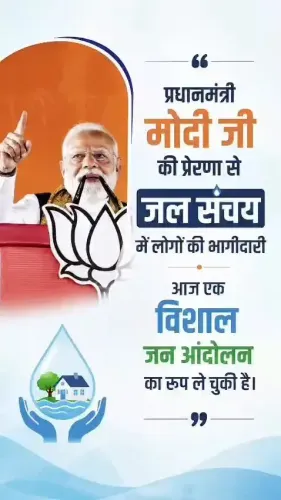
PM Narendra Modi 's 'Catch the Rain' campaign was highlighted for deeper state-level implementation through public participation.
The conference builds on existing frameworks including the Jal Shakti Abhiyan (2019) , Atal Bhujal Yojana (2019) , and the Dam Safety Act, 2021 .
State water department secretaries from across all states and Union Territories participated, making it a broad federal water-governance consultation.
Follow-up state action plans and inter-state reservoir data-sharing guidelines are expected outcomes to watch.
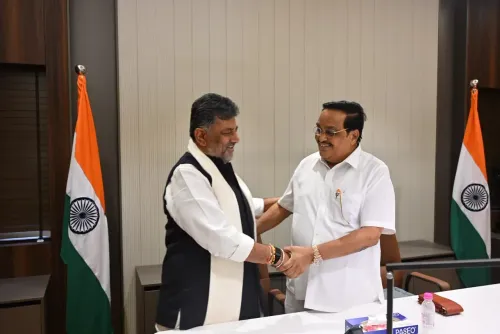
Union Jal Shakti Minister C. R. Paatil on Monday, 13 July 2026, chaired the All-India Conference of Secretaries of State Water Resources Departments at Sushma Swaraj Bhawan, New Delhi, bringing together senior officials from states and Union Territories to deliberate on critical water-sector priorities. The day-long conclave focused on water conservation, irrigation efficiency, dam safety, and improved inter-state coordination as pillars of national water security.
Context
Addressing the gathering, Minister Paatil underscored the importance of jal suraksha (water security) through a multi-pronged approach. The conference gave particular emphasis to advancing Prime Minister Narendra Modi's 'Catch the Rain' resolve — a call for rainwater harvesting and conservation through mass public participation — ahead of the ongoing monsoon season. Paatil expressed confidence that the discussions and recommendations from the conference would 'give new momentum to water-sector reforms and play an important role in more effective and scientific management of water resources.'
The conference brought together secretaries-level officials from across all states and Union Territories, making it one of the broadest federal consultations on water governance in recent years. Themes of modern technology adoption and strengthening water governance frameworks were central to the agenda.
Policy Backdrop
The meeting sits within a layered policy architecture built over the past decade. The Jal Shakti Abhiyan, launched in 2019, targeted water conservation and groundwater recharge across 256 districts. The Atal Bhujal Yojana, also approved in 2019, focuses on community-led groundwater management across seven states.
On dam safety, the Dam Safety Act, 2021 established a National Dam Safety Authority and mandated state-level bodies for surveillance, inspection, and maintenance — a framework whose implementation progress was expected to feature in the secretaries' deliberations. The National Water Mission, established in 2011 under the National Action Plan on Climate Change, set long-term targets for water-use efficiency that remain a reference point for state-level planning.
The 'Catch the Rain' campaign, running under the Jal Shakti Abhiyan umbrella, mobilises citizens, local bodies, and civil society to create rainwater harvesting infrastructure before and during the monsoon. Its inclusion in the conference agenda signals a push to deepen state-level ownership of the campaign.
Stakeholders and Impact
State water departments are the primary implementers of centrally-sponsored schemes and bear direct responsibility for irrigation infrastructure serving millions of farmers. Greater inter-state coordination — a recurring demand in federal water discussions — is especially relevant for river basins that cross state boundaries.
For farmers, improvements in irrigation water-use efficiency translate directly into input cost savings and reduced dependence on erratic rainfall. The push for modern technology, including remote sensing for reservoir monitoring and precision irrigation tools, is intended to make water allocation more data-driven and equitable.
Dam safety remains a concern given that India has over 5,000 large dams, many of them ageing. Strengthened inspection protocols under the 2021 Act are designed to reduce risk to downstream communities, but implementation has varied across states.
What's Next
The key deliverable from such conferences is typically a set of action points and timelines that state secretaries carry back for implementation. Follow-up state-level action plans on rainwater harvesting and inter-state reservoir data sharing will be closely watched in the coming weeks.
With the monsoon of 2026 already underway, the timing of the conference positions the 'Catch the Rain' push for immediate field-level activation. Progress on the Dam Safety Act's institutional rollout and any new central guidelines on irrigation efficiency standards are the other near-term markers to track.
Point of View
But its significance in July 2026 lies in the political timing: convening it mid-monsoon signals an intent to translate the 'Catch the Rain' mandate into real-time state action rather than post-season planning. Paatil's emphasis on scientific management and technology adoption reflects the Ministry's push to shift water governance from administrative routine to data-driven accountability. The explicit mention of inter-state coordination is a quiet but important signal, given that several river-water disputes between states remain unresolved. Whether the conference produces binding action points or remains advisory will determine its lasting impact on India's water security architecture.
NationPress
13 Jul 2026
Frequently Asked Questions
What is the All-India Conference of Water Resources Secretaries?
It is a federal consultation convened by the Union Jal Shakti Ministry where secretaries of state and UT water resources departments meet to align on national water policy priorities, share best practices, and coordinate implementation of central schemes.
What is the 'Catch the Rain' campaign?
'Catch the Rain' is a public participation initiative under the Jal Shakti Abhiyan that encourages citizens, local bodies, and governments to create rainwater harvesting structures, particularly before and during the monsoon season, to improve groundwater recharge and water availability.
What is the Dam Safety Act 2021?
The Dam Safety Act, 2021 is a central legislation that established the National Dam Safety Authority and mandated state-level dam safety organisations to ensure regular surveillance, inspection, and maintenance of large dams across India.
What is Jal Shakti Abhiyan?
Jal Shakti Abhiyan is a water conservation mission launched in 2019 targeting 256 water-stressed districts across India, focusing on rainwater harvesting, watershed management, and groundwater recharge through community and government participation.
Who is C. R. Paatil?
C. R. Paatil is the Union Minister of Jal Shakti in the Government of India, a senior BJP leader, and a former president of the BJP's Gujarat state unit. He oversees water resources, river development, and Ganga rejuvenation policy at the national level.