Dr. Jitendra Singh: India a top destination for youth today
Synopsis
Union Science and Technology Minister Dr. Jitendra Singh on 25 May 2026 declared India a 'happening destination' for youth, arguing the country now offers vastly more opportunities than a decade ago — a statement anchored in a decade of startup, research, and education policy reforms.
Key Takeaways
Jitendra Singh , Union Minister for Science and Technology, declared on 25 May 2026 that India is a 'happening destination' for young people.
The Minister stated India offers 'lot much more' to youngsters today compared to a decade ago, signalling a reversal of brain-drain trends.
Startup India , launched in 2016 , and the Atal Innovation Mission are among the flagship programmes underpinning this claim.
The National Education Policy 2020 and the Science, Technology and Innovation Policy consultations of 2020–21 form the broader policy architecture cited in this context.
Key upcoming markers include the updated Science, Technology and Innovation Policy release and the next Union Budget 's R&D and startup allocations.
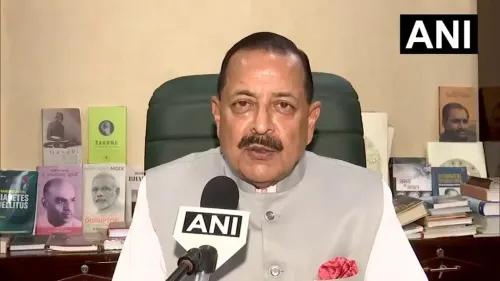
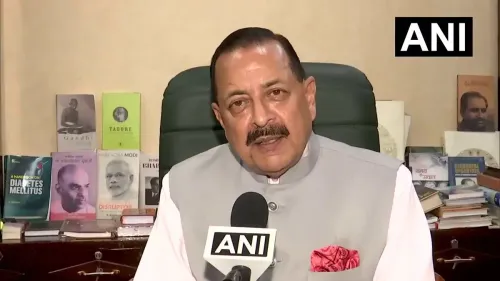
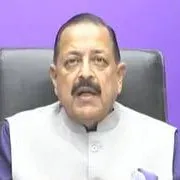
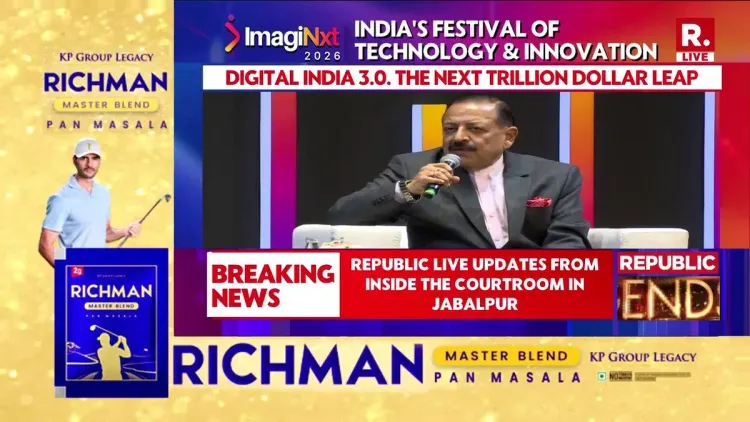
Union Science and Technology Minister Dr. Jitendra Singh on Monday, 25 May 2026 declared that India has transformed into a 'happening destination' for young people, asserting that the country now offers far greater opportunities to its youth than it did a decade ago. The statement, shared on his official X account, comes as the government continues to champion domestic career pathways in technology, research, and entrepreneurship.
Context
In his post, the Minister stated: 'India of today is a happening destination…it has lot much to offer to youngsters than was there was a decade or so ago..' The remark encapsulates a broader official argument that the policy environment built since 2014 has substantially reversed the conditions that once pushed talented young Indians to seek opportunities abroad. The post was accompanied by a video, underscoring the communicative push behind the message.
The sentiment reflects a recurring theme in official discourse: that India's STEM ecosystem, startup landscape, and research infrastructure have matured to the point where brain drain is giving way to brain gain. Ministers and senior officials have repeatedly contrasted current conditions in sectors such as artificial intelligence, space technology, and deep-tech entrepreneurship with those of the previous decade.
Policy Backdrop
The foundation for this narrative was laid with the launch of Startup India in 2016, a flagship initiative designed to foster entrepreneurship and build a robust innovation ecosystem for young Indians. Complementing it is the Atal Innovation Mission, a NITI Aayog programme that has embedded tinkering labs and innovation culture in schools and colleges across the country.
The National Education Policy 2020 introduced sweeping reforms aimed at expanding skilling, research, and multidisciplinary learning opportunities for students. Simultaneously, consultations on the Science, Technology and Innovation Policy conducted in 2020–21 were explicitly oriented toward positioning India as a global knowledge economy capable of retaining and attracting talent. Together, these measures form the policy architecture that Dr. Jitendra Singh's statement implicitly invokes.
Higher R&D spending, eased regulatory requirements for startups, and expanded higher-education capacity have all been cited by the government as evidence of a structural shift. The Ministry of Science and Technology, which Dr. Singh heads, sits at the centre of this transformation, overseeing funding pipelines and institutional frameworks that directly affect young researchers and entrepreneurs.
Stakeholders and Impact
The primary beneficiaries of this policy arc are young professionals, tech entrepreneurs, and science students who now have access to a wider set of domestic pathways — from funded research fellowships to government-backed incubators. For this cohort, the practical question is whether the on-ground ecosystem matches the ministerial optimism.
Industry observers note that India's startup count has grown substantially over the past decade, with recognised startups numbering in the tens of thousands. The space sector, opened to private players through reforms championed in part by Dr. Singh's ministry, has emerged as a particular draw for young engineers who might previously have looked overseas. Artificial intelligence and deep-tech hubs in cities such as Bengaluru, Hyderabad, and Pune have further broadened the domestic opportunity landscape.
What's Next
Attention will now turn to two near-term markers: the release of the updated Science, Technology and Innovation Policy and the allocations for R&D fellowships and startup incentives in the next Union Budget. These will be the concrete tests of whether the government's stated ambition for India as a youth destination translates into expanded funding and institutional support.
Dr. Singh's public communication on this theme suggests the government intends to keep the 'India opportunity' narrative prominent in the lead-up to those announcements, reinforcing the case that staying and building in India is now a genuinely competitive choice for the country's most talented young people.
Point of View
The Minister keeps the narrative broad enough to resonate across sectors — from space-tech to deep-tech startups. The timing, ahead of expected policy announcements on R&D funding and the Science, Technology and Innovation Policy, suggests the statement is as much a scene-setter as a standalone observation. The real test of the claim will come when budget allocations and fellowship numbers are published, giving analysts concrete data to weigh against the ministerial optimism.
NationPress
9 Oct 2026
Frequently Asked Questions
What did Science Minister Jitendra Singh say about India for youth in May 2026?
Dr. Jitendra Singh posted on X on 25 May 2026 that India is a 'happening destination' for youngsters today, offering far more opportunities than it did a decade ago, citing the growth of the country's technology, startup, and research ecosystem.
What is Startup India and how does it help young people?
Startup India is a flagship government initiative launched in 2016 to build an entrepreneurship ecosystem in India. It provides regulatory support, funding access, and incubation infrastructure to young entrepreneurs looking to build businesses domestically.
What is the Atal Innovation Mission?
The Atal Innovation Mission is a NITI Aayog programme that promotes grassroots innovation by setting up tinkering labs in schools and colleges, giving young students hands-on exposure to science, technology, and problem-solving from an early age.
Is brain drain from India reversing?
Official government statements, including Dr. Jitendra Singh's May 2026 post, argue that expanded domestic opportunities in STEM, AI, space technology, and startups are making India a competitive destination for talent. Independent verification of a sustained trend reversal requires updated emigration and returnee data.
What policy announcements should Indians watch for regarding youth and science?
The two key near-term developments to watch are the release of the updated Science, Technology and Innovation Policy and the Union Budget's allocations for R&D fellowships and startup incentives, both of which will test the government's stated commitment to youth opportunities in India.