Modi govt at 12: India's startup count surges from 400 to 2.3 lakh, says Dr Jitendra Singh
Synopsis
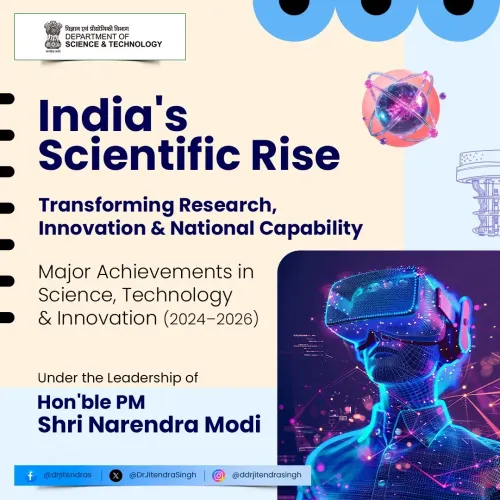
Twelve years in, the Modi government is claiming a transformation story anchored in numbers: startups up from 400 to 2.3 lakh, 25 lakh jobs created, and a space economy on course to quintuple to $45 billion. Union Minister Dr Jitendra Singh's pitch frames the decade-plus tenure not as welfare delivery but as an aspiration shift — especially for youth in smaller cities.
Key Takeaways
Dr Jitendra Singh marked the Modi government's 12th year in office on 7 June , calling India an 'aspirational nation.' India's recognised startups have grown from roughly 350–400 in 2014 to over 2.3 lakh , creating nearly 25 lakh jobs .
Almost half of new startups are based in Tier-II and Tier-III cities ; a significant share are women-led.
Space startups have grown from single digits to nearly 400 , with one achieving unicorn status ; the sector is valued at $9 billion and projected to reach $45 billion in 7–8 years .
Key governance reforms cited include self-attestation of documents and abolition of interviews for select government recruitment categories.
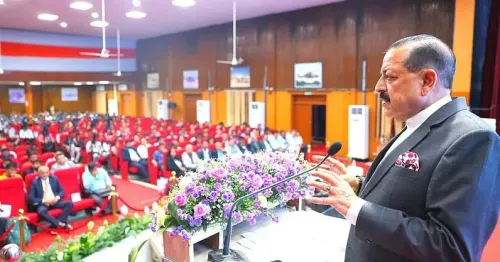
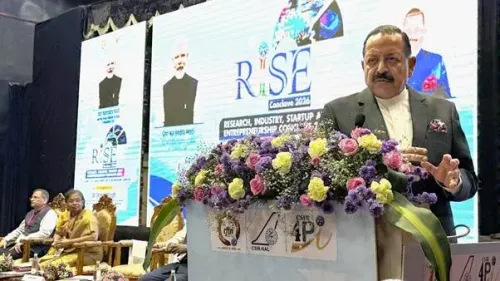
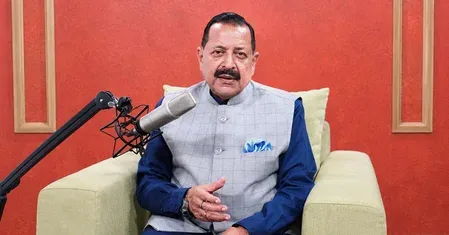
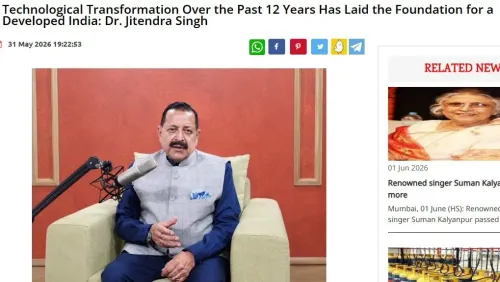
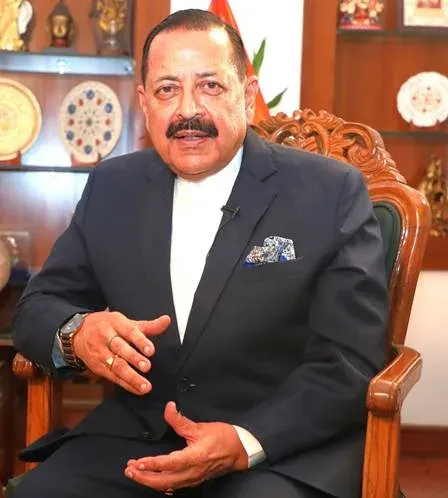
Union Minister of State Dr Jitendra Singh on Sunday, 7 June declared that India has been fundamentally transformed under the Prime Minister Narendra Modi-led government, which completed 12 years in office, emerging as an aspirational nation driven by opportunity, innovation, and self-confidence. Speaking to the media in New Delhi, Singh credited governance reforms, technological progress, and citizen-centric policies for reshaping how Indians perceive their own potential.
Shift in Public Mindset
Singh argued that the most consequential achievement of the past 12 years has been a fundamental change in public outlook. He said Indians — particularly the youth and residents of smaller towns — now believe that success is attainable through talent, hard work, and merit rather than connections or circumstance. This shift, he contended, is most visibly playing out as young people from Tier-II and Tier-III cities compete and excel on national platforms.
Startup Ecosystem: From 400 to 2.3 Lakh
Highlighting economic transformation, Singh pointed to the dramatic expansion of India's startup ecosystem since 2014. The number of recognised startups has grown from roughly 350–400 to more than 2.3 lakh, generating nearly 25 lakh jobs across the country, according to the minister. He noted that almost half of these ventures are headquartered in Tier-II and Tier-III cities, and a substantial share are led by women entrepreneurs — a development he described as evidence of broadening access to economic opportunity.
Space Economy Set for Fivefold Growth
Singh also highlighted the rapid expansion of India's space sector as a marker of the country's innovation-driven ambitions. The number of space startups has risen from a single-digit figure a few years ago to nearly 400 today, with at least one recently achieving unicorn status, he said. India's space economy is currently valued at approximately $9 billion and is projected to reach roughly $45 billion over the next seven to eight years — a nearly fivefold increase.
Governance Reforms That Redefined Citizen Trust
The minister cited two early reforms as emblematic of the government's citizen-first approach. The decision to permit self-attestation of documents in place of mandatory gazetted-officer verification was described as a landmark move that signalled institutional trust in ordinary citizens. Separately, the abolition of interviews for certain categories of government recruitment was credited with reducing discretionary power and curbing opportunities for malpractice, thereby strengthening transparency and merit-based selection.
What the Milestone Signals
The 12-year mark comes as the Bharatiya Janata Party (BJP)-led National Democratic Alliance government prepares for a fresh political cycle. Singh's remarks frame the decade-plus tenure through the lens of economic aspiration and systemic reform rather than welfare alone — a narrative that reflects the administration's effort to position India as a global innovation hub. Whether the on-ground data on jobs, manufacturing share, and startup valuations fully supports that framing remains a subject of broader public debate.
Point of View
But context matters. The jump from 400 to 2.3 lakh startups reflects a definitional expansion as much as organic growth — DPIIT's recognition criteria widened considerably over this period, and recognition is not the same as viability or scale. The 25 lakh jobs figure similarly lacks a verifiable independent audit. On space, the $45 billion projection is a government-endorsed target, not a confirmed trajectory. The more telling metric — manufacturing's share of GDP, which has barely moved despite repeated industrial pushes — was absent from Singh's remarks. A 12-year milestone deserves credit where it is due, but also scrutiny of what the headline numbers are actually measuring.
NationPress
21 Oct 2026
Frequently Asked Questions
What did Dr Jitendra Singh say about Modi government's 12 years?
Dr Jitendra Singh said India has undergone a profound transformation under the Modi government's 12-year tenure, emerging as an aspirational nation. He highlighted growth in startups, the space sector, and governance reforms as the key markers of this change.
How much has India's startup ecosystem grown since 2014?
According to Dr Jitendra Singh, India's startup count has grown from roughly 350–400 in 2014 to more than 2.3 lakh, creating nearly 25 lakh jobs. He noted that nearly half of these startups are based in Tier-II and Tier-III cities.
What is the projected size of India's space economy?
India's space economy is currently valued at approximately $9 billion and is projected to grow to roughly $45 billion over the next seven to eight years, according to Singh. The sector now has nearly 400 space startups, with at least one having achieved unicorn status.
What governance reforms did Singh highlight from the Modi era?
Singh cited two key reforms: the replacement of mandatory gazetted-officer document verification with self-attestation, and the abolition of interviews for certain government recruitment categories. He said both moves reduced discretion and improved transparency in public administration.
Who is Dr Jitendra Singh?
Dr Jitendra Singh is a Union Minister of State in the Modi government and a senior Bharatiya Janata Party (BJP) leader. He has held portfolios including Science and Technology and Personnel, and represents the Udhampur constituency in Jammu and Kashmir.