India's startups cross 2.3 lakh ventures, generate 25 lakh jobs in a decade: Dr Jitendra Singh
Synopsis
India's startup count has exploded from under 400 to 2.3 lakh in a decade, and Union Minister Dr Jitendra Singh says that translates into 24–25 lakh jobs — a figure that reframes the startup boom not just as an innovation story but as one of India's most consequential employment generators of the last ten years.
Key Takeaways
India's startup ecosystem has grown from 350–400 startups a decade ago to nearly 2.3 lakh ventures today.
The sector has generated approximately 24–25 lakh jobs over the past decade, according to Union Minister Dr Jitendra Singh .
India is now ranked the world's third largest startup ecosystem . mach33.aero , India's first public-private aerospace incubation centre set up by CSIR-NAL , has completed five years and incubated 34 startups .
More than 125 startups participated in the RISE Conclave 2026 in Bengaluru , many from the aerospace sector.
The 'Startup India' initiative, launched in 2015 , is credited as the policy foundation for this growth.
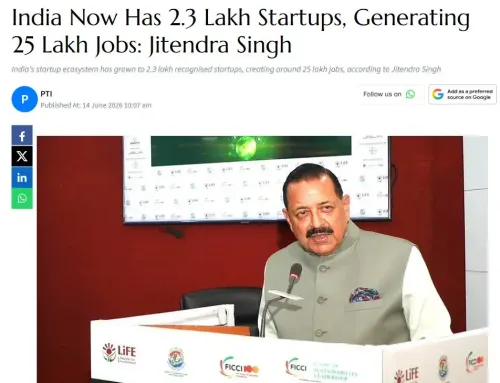
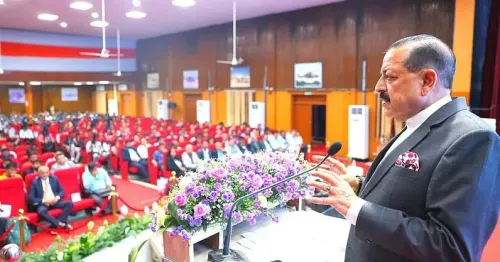
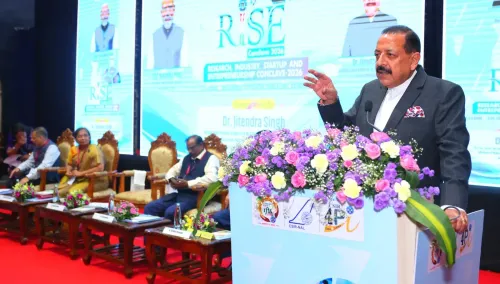
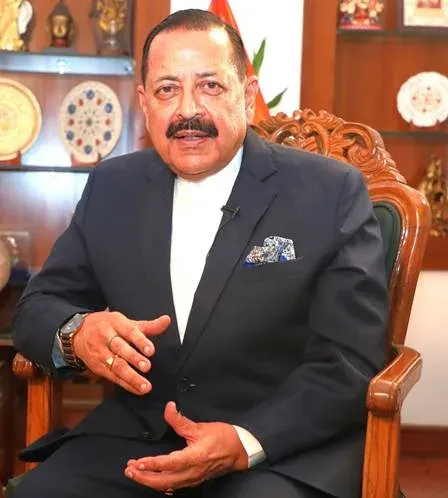
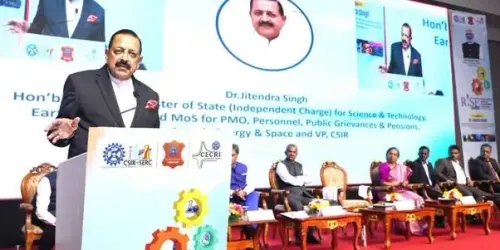
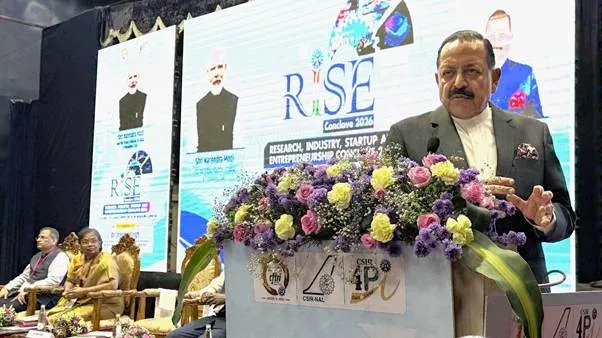
India's startup ecosystem has created nearly 24–25 lakh jobs over the past decade, Union Minister Dr Jitendra Singh said on Saturday, 13 June 2026, addressing the RISE Conclave 2026 in Bengaluru. The minister attributed the rapid expansion of the ecosystem to sustained policy direction from the Centre, beginning with Prime Minister Narendra Modi's 'Startup India' call in 2015.
From 350 to 2.3 Lakh Startups
Dr Singh noted that India's startup landscape comprised only around 350–400 ventures a decade ago. That number has since surged to nearly 2.3 lakh startups, propelling India to the position of the world's third largest startup ecosystem. The scale of this growth, he said, marks the country's transition from an emerging market into a full-fledged innovation economy.
The minister credited the 'Startup India' initiative — launched in 2015 — as the foundational policy that seeded an entrepreneurial culture across the country. Subsequent reforms, he added, opened strategic sectors to private participation and encouraged young Indians to pursue innovation-driven careers.
RISE Conclave: Bringing Research and Industry Together
The RISE Conclave 2026 was conceived to unite the four pillars of Research, Industry, Start-ups, and Entrepreneurship on a single platform. Dr Singh said the initiative reflects the government's commitment to fostering collaboration among scientists, industry players, investors, academic institutions, and policymakers — all in service of building a self-reliant, innovation-led India.
More than 125 startups are participating in this year's conclave, many of them from the aerospace sector, signalling growing confidence among young innovators in high-technology domains.
Aerospace Incubation: mach33.aero Completes Five Years
Dr Singh highlighted a landmark in India's deep-tech journey: mach33.aero, the country's first public-private aerospace incubation centre, established by CSIR-NAL in collaboration with its partners, has successfully completed five years of operations. The centre has incubated 34 startups to date, underscoring the maturation of India's aerospace entrepreneurship pipeline.
Harnessing the Demographic Dividend
The minister argued that the combined effect of these initiatives has positioned India to harness its demographic dividend at scale. With a large and young working-age population, a growing base of tier-2 and tier-3 city founders, and increasing investor interest in deep-tech, India's startup story is moving beyond consumer internet into sectors with longer-term strategic value.
This comes amid a broader global recalibration of startup ecosystems, where profitability and sustainability are increasingly prioritised over growth-at-all-costs models — a shift that could test the resilience of India's newer ventures in the years ahead.
Point of View
But it arrives without a granular breakdown of job quality, sector distribution, or survival rates of the startups that created them. India's startup count reaching 2.3 lakh is a headline achievement — but registered startups and active, revenue-generating ones are not the same thing. The deeper question is how many of these ventures have scaled past the seed stage and are generating durable employment rather than short-term gig-economy roles. The RISE Conclave's focus on aerospace is a welcome signal that the ecosystem is diversifying beyond consumer apps, but aerospace incubation at scale requires long gestation cycles and patient capital — both of which India's startup funding environment has historically struggled to sustain.
NationPress
24 Sept 2026
Frequently Asked Questions
How many jobs has India's startup ecosystem created in the last decade?
According to Union Minister Dr Jitendra Singh, India's startup ecosystem has generated nearly 24–25 lakh jobs over the past decade. He made this statement at the RISE Conclave 2026 in Bengaluru on 13 June 2026.
How many startups does India have in 2026?
India now has nearly 2.3 lakh startups, up from just 350–400 a decade ago. This growth has made India the world's third largest startup ecosystem.
What is the RISE Conclave 2026?
The RISE Conclave 2026 is a government-backed platform in Bengaluru designed to bring together Research, Industry, Start-ups, and Entrepreneurship under one roof. More than 125 startups, many from the aerospace sector, participated in the 2026 edition.
What is mach33.aero and why is it significant?
mach33.aero is India's first public-private aerospace incubation centre, established by CSIR-NAL in collaboration with its partners. It has completed five years of operations and has incubated 34 startups, making it a landmark in India's deep-tech and aerospace entrepreneurship landscape.
What role did the Startup India initiative play in this growth?
Launched in 2015 by Prime Minister Narendra Modi, Startup India is credited with laying the policy foundation for India's entrepreneurial boom. It opened strategic sectors to private participation and encouraged young Indians to pursue innovation-driven careers, according to Dr Jitendra Singh.