Dr. Jitendra Singh: India hits 2.3 lakh startups, 25 lakh jobs
Synopsis
At the RISE Conclave 2026, Union Minister Dr. Jitendra Singh cited that India now has 2.3 lakh recognised startups generating 25 lakh jobs, highlighting the decade-long impact of the Startup India initiative and the Science Ministry's push to link research with entrepreneurship.
Key Takeaways
Jitendra Singh , Union Minister for Science and Technology, shared the startup figures at the RISE Conclave 2026 on June 14, 2026 .
India's recognised startup count has reached 2.3 lakh , according to figures cited by the minister.
The startup ecosystem has collectively generated 25 lakh jobs , per the data referenced at the conclave.
The Startup India initiative, launched in January 2016 , is the foundational policy framework enabling startup recognition and associated benefits.
The DPIIT has been the nodal body for startup recognition since 2016, granting access to tax relief and regulatory concessions.
Follow-up announcements from RISE Conclave 2026 on new funding or regulatory changes are anticipated.
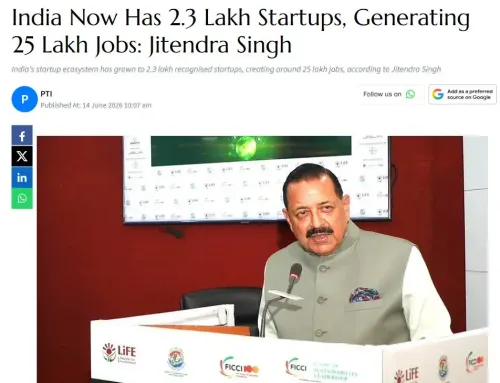
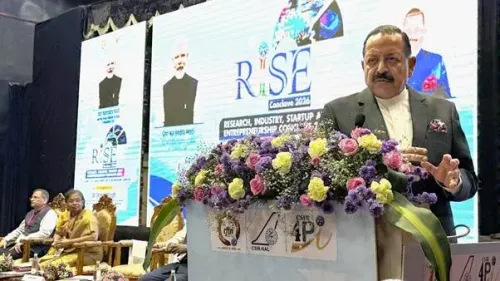
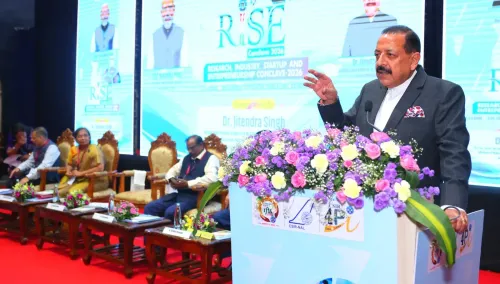
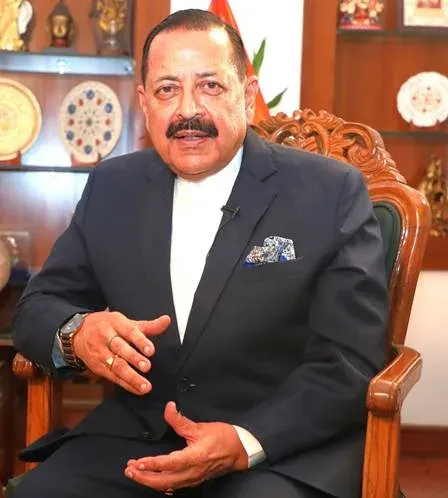
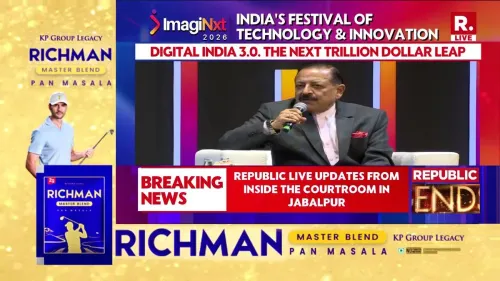
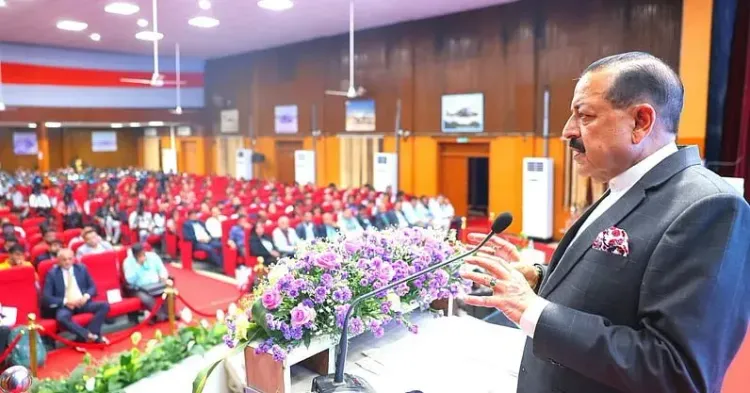
Union Science and Technology Minister Dr. Jitendra Singh on Sunday, June 14, 2026, shared data indicating that India now has 2.3 lakh startups that have collectively generated 25 lakh jobs, citing the figures at the RISE Conclave 2026.
Context
The figures were shared by Dr. Singh in the context of the RISE Conclave 2026, a platform convened to discuss research, innovation, science, and entrepreneurship initiatives linked to the Ministry of Science and Technology. The minister's post referenced the startup count and employment numbers as markers of the sector's growth under the current policy environment.
India's startup ecosystem has expanded significantly since the mid-2010s, driven by regulatory facilitation, expanding digital infrastructure, and government-backed incubation support. Official recognition of startups — which unlocks tax benefits and compliance relief — has been a central lever in this growth story.
Policy Backdrop
The Startup India initiative, launched in January 2016, is the foundational policy framework underpinning this growth. The Department for Promotion of Industry and Internal Trade (DPIIT) began formally recognising startups from 2016 onwards, granting them access to a range of regulatory and financial benefits.
Over successive years, the recognised startup count has climbed steadily, with the Science and Technology Ministry increasingly linking public research institutions with private entrepreneurship through funding windows and incubation mechanisms. The RISE Conclave serves as one such platform where policy direction and sector performance are reviewed together.
The 25 lakh jobs figure, if confirmed through official DPIIT data, would represent a significant employment multiplier from the recognised startup base — a key metric that policymakers cite to justify continued regulatory and fiscal support for the sector.
Stakeholders and Impact
The primary beneficiaries of the ecosystem's expansion are startup founders and the tech-sector workforce, which now spans not just metropolitan hubs but also Tier-2 and Tier-3 cities that have seen growing incubator activity. For workers, the 25 lakh jobs figure underscores the sector's role as an employment engine beyond traditional industries.
Investors, incubators, and academic institutions also have a direct stake in the numbers: a larger recognised startup base signals a deeper deal pipeline and broader opportunities for research-to-market commercialisation. The government's ability to sustain this trajectory depends on continued regulatory clarity and access to early-stage capital.
What's Next
Observers will watch for any follow-up policy announcements emerging from the RISE Conclave 2026, particularly around new funding windows, changes to DPIIT recognition criteria, or linkages between public research bodies and the private startup sector. The next official DPIIT startup recognition data release will be a key moment to validate the figures cited by Dr. Singh.
With India positioning its startup ecosystem as a pillar of innovation-led economic growth, the trajectory of recognised startups and associated employment will remain a closely watched indicator for both domestic and international investors.
Point of View
The government signals that startup growth is now a Science Ministry priority, not merely an industry affairs talking point. The linkage between research institutions and private entrepreneurship — a recurring theme under Dr. Singh's tenure — suggests the ministry is pushing a 'lab-to-market' policy arc that could shape the next phase of Startup India. Until the official DPIIT data corroborates the 2.3 lakh and 25 lakh figures, however, analysts will treat them as indicative rather than definitive.
NationPress
22 Sept 2026
Frequently Asked Questions
How many startups does India have in 2026?
According to figures cited by Union Minister Dr. Jitendra Singh at the RISE Conclave 2026 on June 14, 2026, India now has 2.3 lakh recognised startups. These figures are pending official confirmation from DPIIT data.
How many jobs have Indian startups created?
The minister cited 25 lakh jobs generated by India's startup ecosystem, as shared at the RISE Conclave 2026. Official DPIIT records are expected to validate this figure.
What is the RISE Conclave 2026?
The RISE Conclave 2026 is a platform convened by the Ministry of Science and Technology to discuss research, innovation, science, and entrepreneurship initiatives, serving as a forum where policy direction and sector performance are reviewed.
What is the Startup India scheme?
Startup India is a central government initiative launched in January 2016 to foster entrepreneurship through tax benefits, simplified compliance, and funding support. The DPIIT formally recognises startups under this scheme.
Who is Dr. Jitendra Singh?
Dr. Jitendra Singh is the Union Minister of State (Independent Charge) for Science and Technology and Earth Sciences, and also holds the position of Minister of State in the Prime Minister's Office and for Personnel.