Jitendra Singh Opens India-Italy S&T Talks in Rome
Synopsis
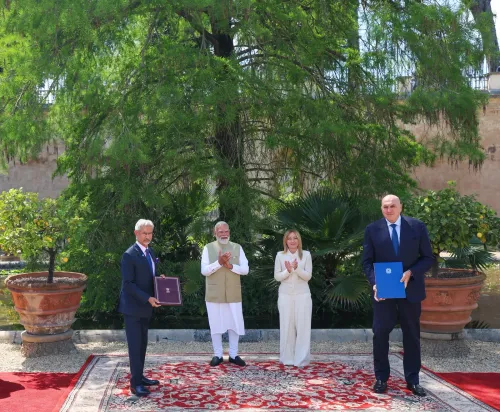
Union Science and Technology Minister Dr. Jitendra Singh leads a high-powered delegation to Rome on 12 November 2026, holding structured engagements with Italian counterparts to operationalise the India-Italy Special Strategic Partnership in science, technology and innovation agreed during PM Modi's May 2026 Italy visit.
Key Takeaways
Jitendra Singh opened India's official science and technology delegation visit in Rome on 12 November 2026 .
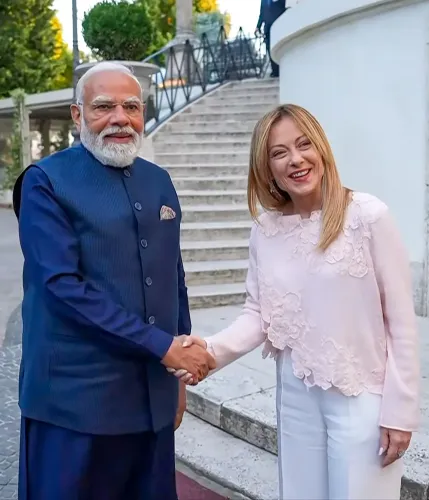
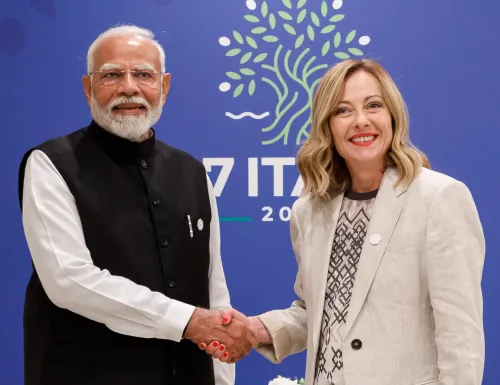
The visit aims to implement the Special Strategic Partnership announced during PM Modi's Italy visit in May 2026 .
The delegation includes directors of ARCI Hyderabad , Sree Chitra Tirunal Institute Thiruvananthapuram , National Physical Laboratory New Delhi , and Indian Institute of Chemical Biology Kolkata .
India's innovation ecosystem is represented by incubator and technopark heads from IIT Bombay , IIT Kanpur and IKP Knowledge Park Hyderabad .
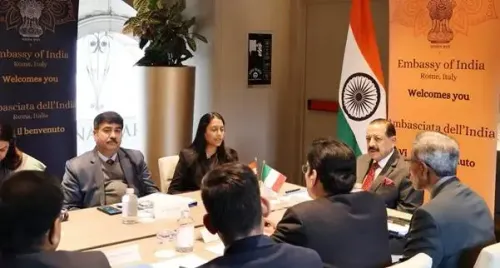
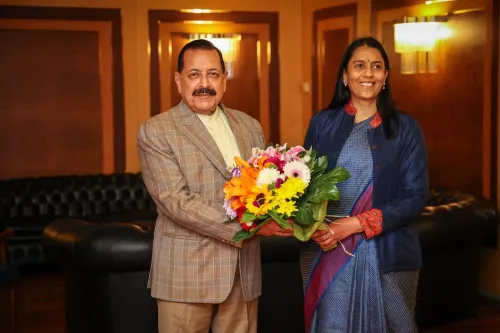
Ambassador Vani Rao and senior Embassy officials in Rome participated in the opening engagements.
Possible follow-on outcomes include joint R&D calls and MoUs in materials science, medical devices and emerging technologies.
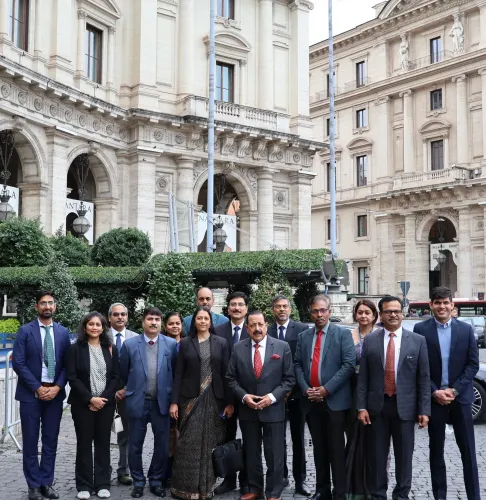
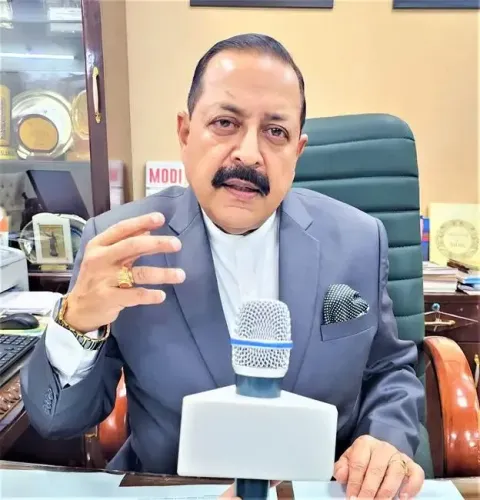
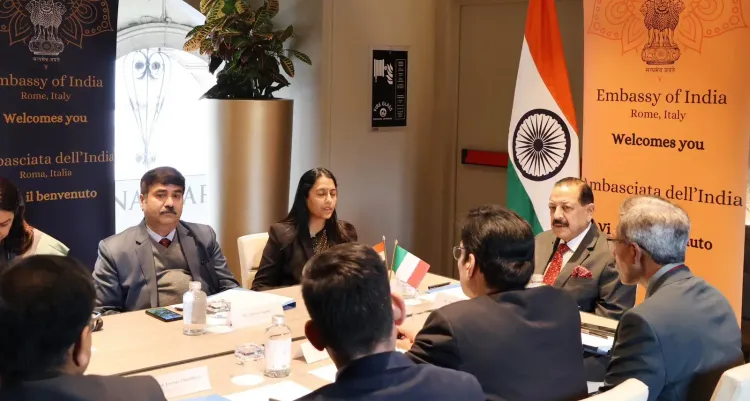
A high-powered Indian science delegation landed in Rome on Thursday, 12 November 2026, with a clear mandate: convert the diplomatic momentum of Prime Minister Narendra Modi's May 2026 Italy visit into concrete, working-level cooperation in science, technology and innovation. Union Science and Technology Minister Dr. Jitendra Singh led the delegation, opening proceedings with structured engagements and briefings at the Embassy of India in Rome aimed squarely at operationalising the 'Special Strategic Partnership' that the two leaders had agreed upon just months earlier.
From a diplomatic handshake to a working agenda
India-Italy science ties have long been acknowledged at the summit level but underserved at the technical level. That gap is precisely what this delegation is designed to close. The initial interaction — drawing together representatives of India's scientific community and Embassy officials — was described by Dr. Singh as a reaffirmation of the 'traditional relationship between the two countries' and the urgency of reinforcing bilateral scientific and technological cooperation.
India has in recent years pursued a deliberate Europe-facing science diplomacy strategy, dispatching sector-specific delegations that bundle government laboratories, academic institutions and technology incubators into a single negotiating unit. The Rome visit follows that established playbook — only now backed by a sharper political mandate from the Special Strategic Partnership framework.
Who is in the room: institutions from Hyderabad to Kolkata
The breadth of the delegation signals ambition across multiple frontiers. The government side is anchored by Dr. Praveenkumar Somasundaram, Head (IC), Department of Science and Technology, and Dr. Dhananjay Tiwary from DST's Global Innovations (Scientific Decision Unit). They are flanked by directors of some of India's most specialised research centres.
Dr. R. Vijay, Director of the International Advanced Research Centre for Powder Metallurgy and New Materials (ARCI), Hyderabad, brings advanced materials expertise — a domain where Indo-European joint research has significant runway. Prof. Sanjay Behari, Director of the Sree Chitra Tirunal Institute for Medical Sciences and Technology, Thiruvananthapuram, represents the health-technology track. Prof. Venu Gopal Achanta of the National Physical Laboratory, New Delhi, and Prof. Vibha Tandon of the Indian Institute of Chemical Biology, Kolkata, complete the research-institution quartet.
The innovation and start-up ecosystem is represented equally pointedly. Prof. Kasturi Saha, Project Director, Qmet Tech Foundation, IIT Bombay; Dr. Ashutosh Agnihotri, CEO of the Incubator and Technopark at IIT Kanpur; and Dr. Satya Dash, CEO of IKP Knowledge Park, Hyderabad — together, they ensure the conversations don't stop at MoUs and actually reach entrepreneurs and deep-tech ventures.
India's Rome embassy at the table
Ms. Vani Rao, Ambassador of India to Italy, along with Mr. Gaurav Gandhi, Deputy Chief of Mission, Ms. Lakshmi Swaminathan, First Secretary, and Mr. Anuj Jain, ASO at the Embassy, represented India's diplomatic presence at the engagements. Ms. Silvia Buffa was also part of the Embassy contingent — a detail that underscores the local coordination effort on the Italian side of the room.
Bilateral visits of this kind typically generate follow-on joint calls for proposals, co-funded research programmes and institutional linkage agreements. With specific expertise in materials science, medical devices and emerging technologies already on the table, the delegation is well-positioned to seed collaborations that outlast the visit itself.
The larger test is whether the 'Special Strategic Partnership' label translates into funded, time-bound joint programmes — or remains a framework on paper. Rome, it appears, is where India is trying to find out.
Point of View
The delegation signals that India is no longer content with framework agreements alone and wants bankable, researcher-level linkages. The timing — anchored to PM Modi's May 2026 Special Strategic Partnership declaration — also reflects the government's pattern of using ministerial follow-ups within months of a head-of-state visit to prevent diplomatic momentum from dissipating. How quickly joint calls for proposals and co-funded programmes materialise will be the real scorecard for this visit.
NationPress
12 Nov 2026
Frequently Asked Questions
Why is Dr. Jitendra Singh visiting Italy in November 2026?
Dr. Jitendra Singh is leading an Indian science and technology delegation to Rome to advance bilateral cooperation in science, technology and innovation under the Special Strategic Partnership agreed between India and Italy during PM Modi's visit to Italy in May 2026.
What is the India-Italy Special Strategic Partnership?
The Special Strategic Partnership is a framework for elevated bilateral engagement between India and Italy decided during PM Narendra Modi's Italy visit in May 2026, with particular focus on reinforcing scientific, technological and innovation cooperation.
Which Indian institutions are part of the Rome science delegation?
The delegation includes representatives from ARCI Hyderabad, Sree Chitra Tirunal Institute Thiruvananthapuram, National Physical Laboratory New Delhi, Indian Institute of Chemical Biology Kolkata, IIT Bombay, IIT Kanpur and IKP Knowledge Park Hyderabad, along with Department of Science and Technology officials.
Who is the Indian Ambassador to Italy in 2026?
Ms. Vani Rao serves as the Ambassador of India to Italy and participated in the opening engagements of the delegation visit in Rome.
What outcomes are expected from India's science delegation visit to Rome?
Potential outcomes include joint calls for research proposals, MoUs and institutional linkages in areas such as advanced materials, medical devices, and emerging technologies, building on the Special Strategic Partnership framework.