J&K Police attaches JeI properties in Sopore under UAPA, Baramulla
Synopsis
J&K Police have seized two buildings, six shops, and two kanals of land tied to the banned Jamaat-e-Islami in Sopore's Dooru area — including the premises of a shuttered school. The action, completed under UAPA after formal orders from both the Divisional Commissioner and the District Magistrate, is the latest move in the Centre's sustained effort to dismantle JeI's institutional footprint in Kashmir.
Key Takeaways
J&K Police attached JeI -linked properties in Sopore's Dooru area on 3 September under the UAPA .
Assets seized include two double-storeyed buildings , six shops , and two kanals of land , encompassing the Islamia Model School, Dooru .
Action stems from FIR No.
42/2025 under Sections 10 and 13 of the UAPA, registered at Police Station Sopore .
The MHA first banned Jamaat-e-Islami J&K in February 2019 ; the ban was extended for five more years in February 2024 .
JeI leader Mohammad Yusuf Shah , who later became Hizbul Mujahideen chief Syed Salahuddin , is currently believed to be in Pakistan-occupied Kashmir .
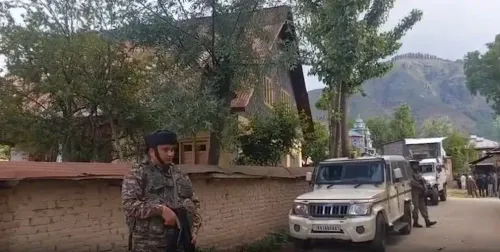
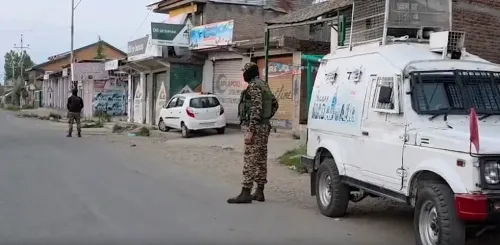
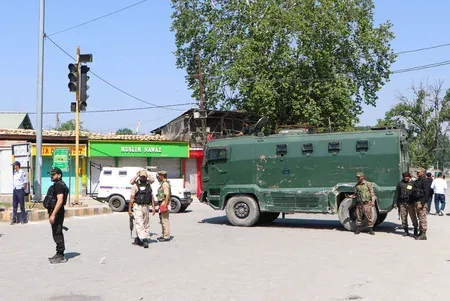
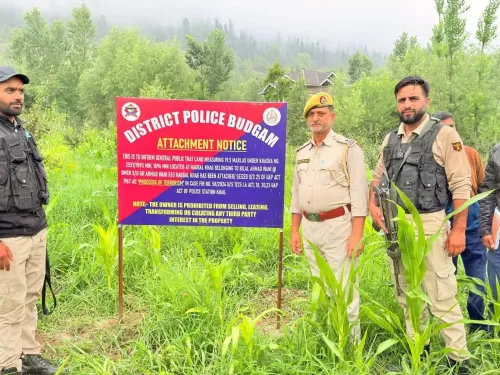
Jammu & Kashmir Police on Thursday, 3 September attached several properties belonging to the banned Jamaat-e-Islami Jammu and Kashmir (JeI) in the Sopore sub-division of Baramulla district, completing legal proceedings under the Unlawful Activities (Prevention) Act (UAPA). The action marks one of the most significant property seizures against the proscribed outfit in north Kashmir in recent months.
What Was Attached
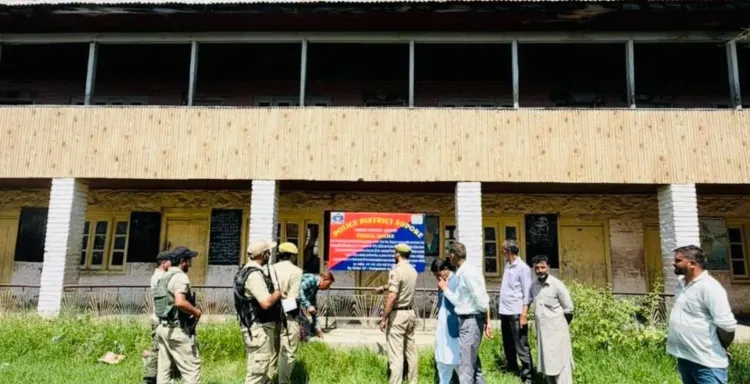
The attached assets include two double-storeyed buildings, six shops, and two kanals of land situated in the Dooru area of Sopore. The properties encompass the premises of the now-closed Islamia Model School, Dooru, which had been linked to the banned organisation.
The attachment follows FIR No. 42/2025 registered at Police Station Sopore under Sections 10 and 13 of the UAPA. The properties were formally notified under Section 8(1) of the Act by the Divisional Commissioner, Kashmir, on 12 August.
Legal Process Behind the Action
Following the Divisional Commissioner's notification, the District Magistrate, Baramulla, issued orders under Sections 8(3) and 8(4) of the UAPA. Sopore Police, accompanied by an Executive Magistrate, then carried out the physical attachment in accordance with the law.
Notably, this is the latest in a series of enforcement actions against JeI-linked assets across the Kashmir Valley, reflecting sustained pressure on the organisation's financial and institutional infrastructure.
Background: Why JeI Is Banned
The Union Ministry of Home Affairs (MHA) first designated Jamaat-e-Islami J&K as an unlawful association under Section 3(1) of the UAPA in February 2019. The ban was extended for a further five years in February 2024. The government has maintained that the organisation continues to foment terrorism, spread anti-India propaganda, promote secessionism, and extend support to terror groups including Hizbul Mujahideen.
JeI's Historical Ties to Militancy
The organisation's trajectory from electoral politics to militancy has long been a subject of scrutiny. In 1987, JeI contested J&K state assembly elections as part of the Muslim United Front (MuF). One of its senior leaders, Mohammad Yusuf Shah, stood against a National Conference (NC) candidate from the Amira Kadal constituency in Srinagar district.
The NC candidate won that seat, but the MuF alleged widespread electoral malpractice. Yusuf Shah subsequently adopted the alias Syed Salahuddin and became the supreme commander of the Hizbul Mujahideen terror outfit. He is currently believed to be in Pakistan-occupied Kashmir (PoK).
What Comes Next
Authorities have not indicated whether further property attachments are planned, but the legal machinery under UAPA allows for additional proceedings if more assets are identified as linked to the banned outfit. The action underscores the Centre's continuing policy of dismantling the organisational and financial networks of proscribed groups in Jammu & Kashmir.
Point of View
Not just operational assets. What this signals is a shift from arresting individuals to dismantling the institutional scaffolding that sustained JeI's presence in north Kashmir for decades. The 1987 election controversy, which reportedly pushed Yusuf Shah toward militancy, remains a contested chapter; the government's current actions do not address that historical grievance, but they do systematically narrow the organisation's physical footprint. Whether property attachment alone can neutralise an ideology with deep local roots is a question enforcement alone cannot answer.
NationPress
3 Sept 2026
Frequently Asked Questions
Which properties did J&K Police attach in Sopore?
J&K Police attached two double-storeyed buildings, six shops, and two kanals of land in Sopore's Dooru area on 3 September. The properties include the premises of the closed Islamia Model School, Dooru, all linked to the banned Jamaat-e-Islami J&K organisation.
Under which law were the Sopore properties seized?
The attachment was carried out under the Unlawful Activities (Prevention) Act (UAPA). Specifically, FIR No. 42/2025 was registered under Sections 10 and 13 of the Act, with attachment orders issued under Sections 8(3) and 8(4) by the District Magistrate, Baramulla.
Why is Jamaat-e-Islami J&K banned in India?
The Union Ministry of Home Affairs banned Jamaat-e-Islami J&K in February 2019 under the UAPA, declaring it an unlawful association. The government states the organisation foments terrorism, spreads anti-India propaganda, promotes secessionism, and supports terror groups including Hizbul Mujahideen. The ban was extended for five more years in February 2024.
Who is Syed Salahuddin and what is his connection to JeI?
Syed Salahuddin is the alias of Mohammad Yusuf Shah, a former senior JeI leader who contested the 1987 J&K assembly elections under the Muslim United Front. After alleging electoral fraud, he took up militancy and became the supreme commander of the Hizbul Mujahideen terror outfit. He is currently believed to be in Pakistan-occupied Kashmir.
What happens after properties linked to a banned organisation are attached?
Under the UAPA, attached properties are placed under state control pending further legal proceedings. Authorities may pursue forfeiture or continued seizure depending on the outcome of the case. Further attachments are possible if additional assets are identified as linked to the proscribed outfit.