J&K Police attach properties of 4 Pakistan-based terrorists in Ramban under UAPA
Synopsis
Jammu and Kashmir Police have seized land assets worth over ₹90 lakh belonging to four Pakistan- and PoK-based terrorists in Ramban, invoking UAPA's property attachment powers. The move signals an escalating push to cut off the financial lifelines of cross-border terror networks by targeting assets they hold inside India.
Key Takeaways
J&K Police attached properties of four Pakistan/PoK-based terrorists in Ramban district on 30 July 2026 under Section 25 of the UAPA .
The four individuals identified are Abdul Rashid , Ghulam Rasool , Abdul Latief Naik , and Mushtaq Ahmed .
A total of 13 kanals and 13 marlas of immovable property were attached, with a combined estimated value exceeding ₹90 lakh .
The largest single seizure — 10 kanals valued at approximately ₹60 lakh — belonged to Ghulam Rasool alias Badshah.
Action was taken under PHQ Order No.
1874 of 2026 ; SSP Ramban Arun Gupta confirmed the attachments.
Police said the crackdown is part of broader efforts targeting drug smuggling, hawala networks, and OGWs supporting terrorism in J&K.
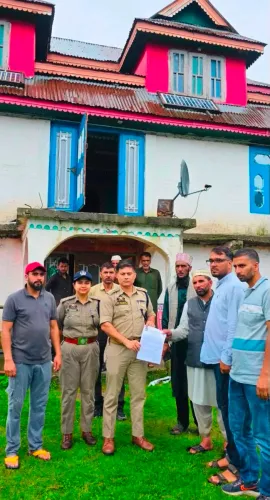
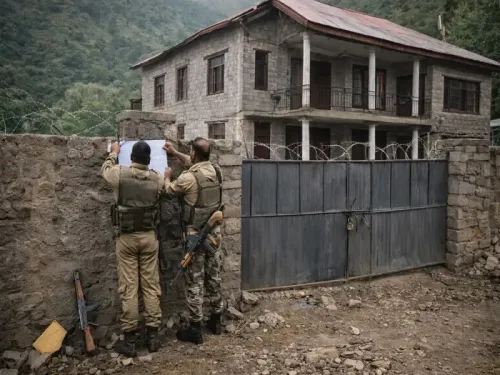
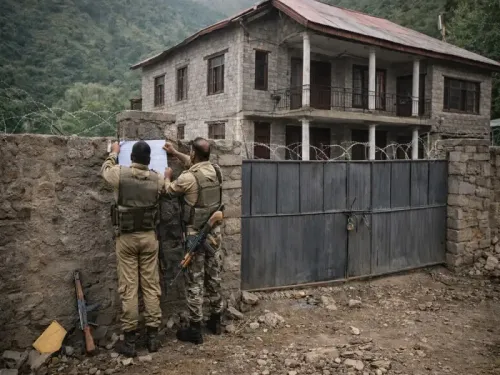
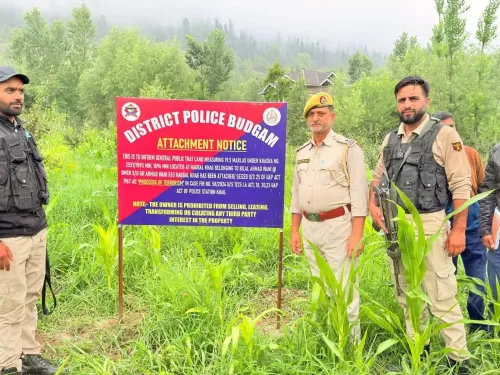
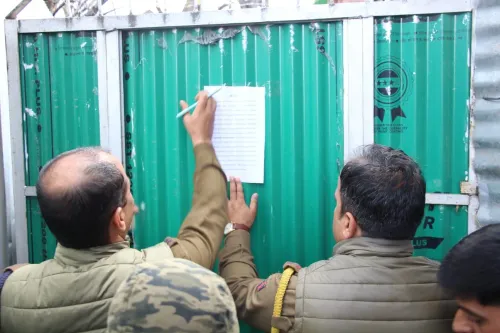
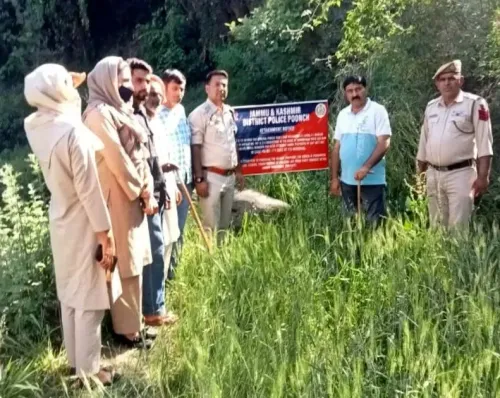
Jammu and Kashmir Police on Thursday, 30 July 2026, attached the immovable properties of four terrorists based in Pakistan and Pakistan-occupied Kashmir (PoK), targeting assets located in Ramban district under the Unlawful Activities (Prevention) Act (UAPA). The action was executed in compliance with PHQ Order No. 1874 of 2026, conveyed under Section 25 of the UAPA.
The Four Terrorists and Their Assets
The individuals whose properties were seized have been identified as Abdul Rashid, Ghulam Rasool, Abdul Latief Naik, and Mushtaq Ahmed. In total, police attached 13 kanals and 13 marlas of immovable property across multiple locations in the district.
Abdul Rashid alias Bashir, son of Late Abdul Aziz Chopan and a resident of Zinhal, Banihal, had 11 marlas of inherited land under Khewat No. 22 attached, valued at approximately ₹9.25 lakh. Ghulam Rasool alias Badshah, son of Late Mohammad Bahru and a resident of Kundan Khari, lost 10 kanals of land under Khewat No. 89 — carrying cultivation rights only — valued at approximately ₹60 lakh.
Abdul Latief Naik alias Sajjad, son of Ali Mohammad and a resident of Koot Khari, Banihal, had three kanals of inherited land under Khewat Nos. 107/108, valued at approximately ₹20 lakh, seized. Mushtaq Ahmed, son of Abdul Gani Hajam and a resident of Chareel, Banihal, had two marlas of land under Khewat No. 72, valued at approximately ₹1.52 lakh, attached.
What the Police Said
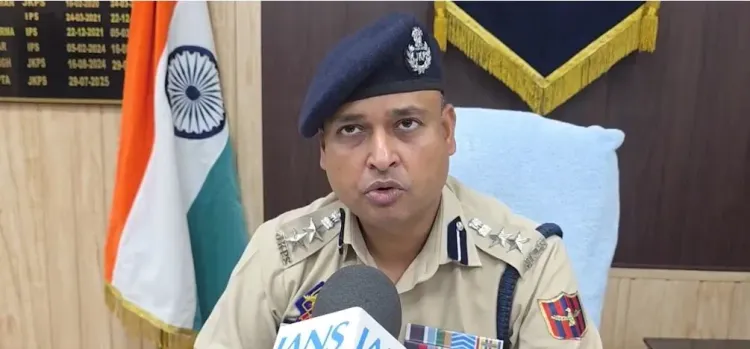
Senior Superintendent of Police (SSP) Ramban Arun Gupta said, 'Ramban Police have attached 13 kanal and 13 marlas of immovable property belonging to four Pakistani terrorists under the Unlawful Activities (Prevention) Act. Ramban Police remain committed to taking strict action against the terror ecosystem and its supporters.'
The Broader Anti-Terror Strategy
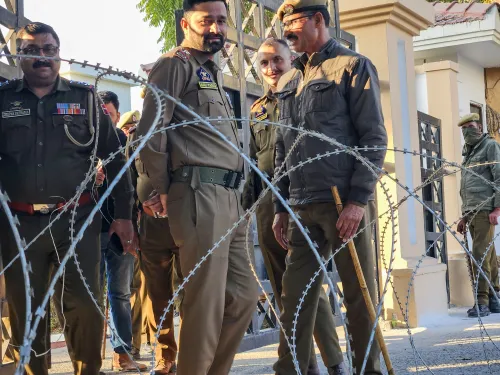
Police described the property attachments as part of a sustained campaign to dismantle the financial and logistical support structure of terrorism in Jammu and Kashmir. The strategy targets not just active militants but also their overground workers (OGWs), sympathisers, and financial enablers.
Notably, security forces in the union territory have also been acting against networks involved in drug smuggling, hawala money transfers, and other financial crimes, which authorities believe serve as key funding channels for terrorist operations in the region. This is part of a wider doctrine of economic disruption aimed at starving terror outfits of resources.
Legal Framework and Significance
The UAPA's property attachment provisions allow authorities to seize assets of individuals designated as terrorists, even when those individuals are physically located outside Indian jurisdiction — a tool increasingly deployed against Pakistan- and PoK-based handlers. Such actions are aimed at reinforcing the rule of law and denying terror networks the economic benefits of assets held within India's borders.
With security forces intensifying operations across Jammu and Kashmir, further asset seizures under UAPA are expected as part of the Centre's broader counter-terror framework.
Point of View
Which security agencies themselves acknowledge extends into hawala and narco-networks. Seizures of individual land parcels, while symbolically important, will need to be matched by systemic disruption of those financial channels to have lasting impact.
NationPress
13 Sept 2026
Frequently Asked Questions
Which properties did J&K Police attach in Ramban under UAPA?
J&K Police attached a total of 13 kanals and 13 marlas of immovable land belonging to four Pakistan/PoK-based terrorists in Ramban district on 30 July 2026. The properties — spread across Zinhal, Kundan Khari, Koot Khari, and Chareel in Banihal — are collectively valued at over ₹90 lakh.
Who are the four terrorists whose properties were seized in Ramban?
The four individuals are Abdul Rashid alias Bashir, Ghulam Rasool alias Badshah, Abdul Latief Naik alias Sajjad, and Mushtaq Ahmed — all residents of Ramban district who are reportedly now settled in Pakistan or Pakistan-occupied Kashmir.
Under which law were the Ramban properties attached?
The properties were attached under Section 25 of the Unlawful Activities (Prevention) Act (UAPA), in compliance with PHQ Order No. 1874 of 2026. The UAPA allows authorities to seize assets of designated terrorists even when those individuals are located outside India.
Why is J&K Police targeting the assets of Pakistan-based terrorists?
Police said the attachments are part of a sustained strategy to dismantle the financial support structure of terrorism by denying terrorists and their associates the benefits of assets held in India. Authorities also target hawala networks, drug smuggling operations, and overground workers (OGWs) as part of the same counter-terror framework.
What is the significance of UAPA property attachments in counter-terrorism?
UAPA property attachments allow Indian authorities to act against terror-linked assets within the country's jurisdiction, even when the accused are abroad. This tool is increasingly used in Jammu and Kashmir to economically weaken cross-border terror networks and their local support systems.