JNPA container crisis: Govt rolls out rail, green channel fixes amid Middle East turmoil
Synopsis
With Gulf-bound cargo rerouted to JNPA and terminals under strain, India's government has activated an emergency multi-pronged response — rail evacuation, fee waivers, green channels, and a 100-trailer pool — while simultaneously unveiling a long-term logistics resilience roadmap. The speed of the inter-ministerial response signals how seriously New Delhi is treating supply-chain exposure to the Middle East conflict.
Key Takeaways
JNPA in Mumbai is facing container congestion as Gulf-bound cargo is rerouted due to the Middle East conflict .
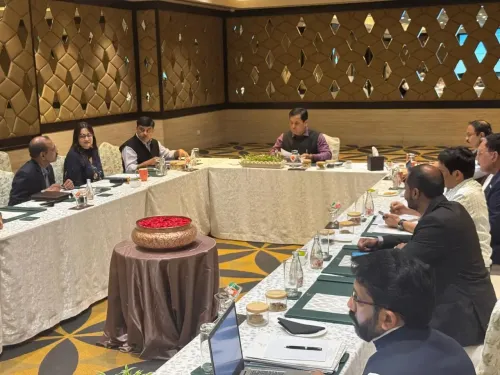
A high-level meeting chaired by Sarbananda Sonowal and Piyush Goyal on Friday, 22 May drove coordinated port interventions.
Measures include rail evacuation to CFS sidings, simultaneous double-container scanning , and waiver of ITRHO and mode-of-transport charges.
Leading CFS operators pooled nearly 100 trailers to clear long-pending containers from congested yards.
A long-term roadmap includes a Truck Appointment System , electric vehicle transition, and expanded driver training programmes.
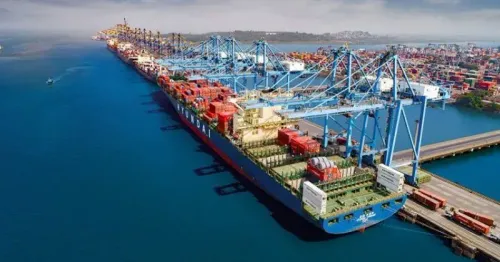
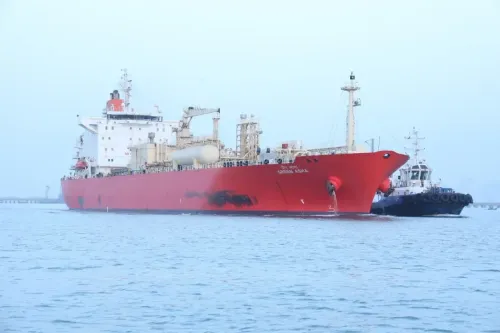
The Government of India has launched a series of emergency operational measures to ease container movement at Jawahar Lal Nehru Port Authority (JNPA) in Mumbai, as the ongoing Middle East conflict continues to disrupt global shipping lanes and reroute Gulf-bound cargo to Indian ports. The interventions, announced on 22 May, include rail evacuation, waiver of handling charges, dedicated green channels, and trailer pooling across congested terminals.
High-Level Meeting Drives Coordinated Action
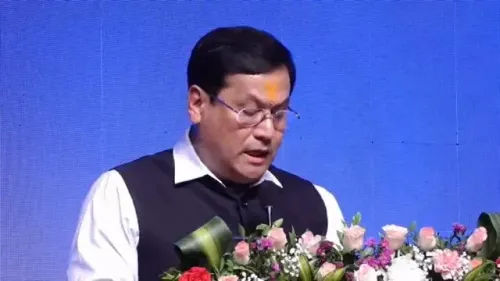
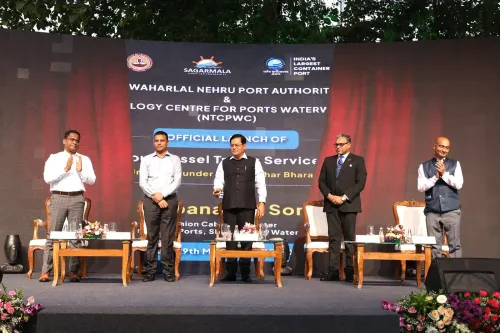
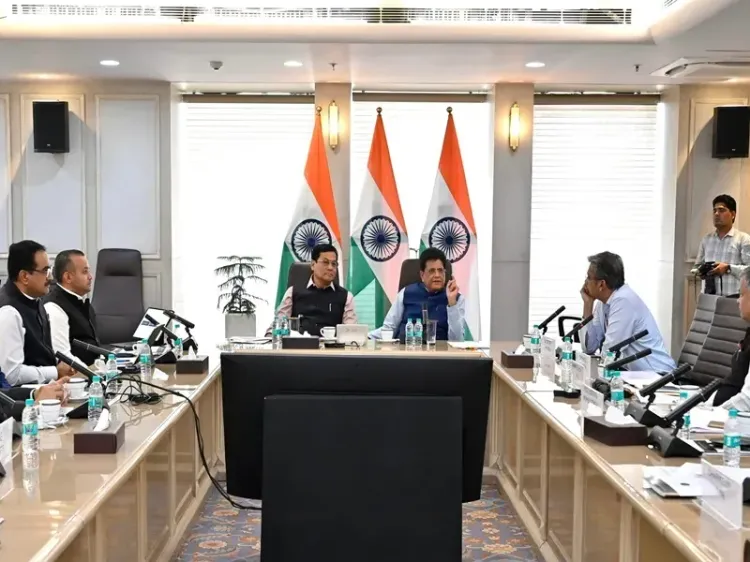
A senior-level inter-ministerial meeting, jointly chaired by Minister of Ports and Shipping Sarbananda Sonowal and Commerce Minister Piyush Goyal, convened on Friday to assess the pressure building on port and logistics infrastructure. The session focused on accelerating container evacuation as Gulf-bound shipments — now rerouted to JNPA — have added significant load to already-stretched terminals.
'Held a highly productive meeting with my senior colleague Union Minister Piyush Goyal to address the challenges emerging from the global situation and to ensure seamless trade facilitation for the trading community. Guided by a ‘Whole of Government’ approach, we are taking coordinated and proactive measures across ports and logistics systems to sustain Ease of Doing Business (EODB),' Sonowal said.
Key Operational Interventions at JNPA
JNPA moved quickly to implement ground-level fixes. Containers are now being evacuated via rail even to nearby Container Freight Stations (CFSs) that have railway sidings, cutting dependence on road transport. Simultaneous scanning of double containers has been introduced to reduce processing time at gates.
On the financial relief front, Inter-Terminal Railway Handling Operation (ITRHO) charges and Change of Mode of Transport charges have been waived. Port terminals have also extended waivers and discounts on ground rent on a case-by-case basis, providing direct cost relief to trade stakeholders.
Green Channels and Trailer Pooling Cut Congestion
Dedicated green channels for empty trailers have been established across terminals to speed up turnaround times. In a notable collaborative effort, leading CFS operators pooled nearly 100 trailers to lift entire container stacks — enabling evacuation of long-pending and buried containers from congested yards. Officials say these measures have already reduced the volume of ageing containers sitting at terminals.
Long-Term Resilience Roadmap
JNPA has also outlined a longer-term logistics preparedness plan. This includes intensified efforts to increase driver availability, enhanced cargo evacuation through rail, and engagement with motor driving training schools to expand the pool of trained trailer drivers. The port authority is additionally planning a phased transition to electric vehicles to improve operational sustainability. A Truck Appointment System is being introduced to streamline gate movement, and terminals are being encouraged to deploy additional handling equipment to cope with rising cargo volumes.
'In line with the visionary leadership of Prime Minister Narendra Modi, the Government is committed to building a resilient, efficient and future-ready trade and logistics ecosystem. We are resolved to take swift, coordinated measures to protect the interests of the EXIM community,' Sonowal added. The port authority's next steps will be closely watched by exporters and importers as global shipping disruptions show no immediate sign of easing.
Point of View
But the underlying vulnerability is structural: Indian ports remain heavily dependent on road transport and an under-trained driver pool, both of which buckle under any external shock. Fee waivers and trailer pooling are sensible short-term relief, yet the Middle East disruption has simply exposed a logistics infrastructure that was already running close to capacity. The real question is whether the long-term roadmap — electric vehicles, truck appointment systems, expanded rail evacuation — receives sustained budgetary commitment or fades once the immediate crisis passes. India's EXIM community has seen promising port modernisation announcements before; execution timelines have rarely matched the urgency of the press release.
NationPress
19 Sept 2026
Frequently Asked Questions
Why is JNPA facing container congestion right now?
The ongoing Middle East conflict has disrupted normal Gulf shipping routes, causing Gulf-bound containers to be rerouted to JNPA in Mumbai. This sudden surge in cargo volumes has placed additional pressure on port terminals and logistics infrastructure that were already operating at high capacity.
What emergency measures has the government taken at JNPA?
The government has introduced rail evacuation to nearby Container Freight Stations, simultaneous scanning of double containers, dedicated green channels for empty trailers, waiver of ITRHO and mode-of-transport charges, and a pooling of nearly 100 trailers by CFS operators to clear congested yards.
Who chaired the high-level meeting on JNPA congestion?
The meeting was jointly chaired by Minister of Ports and Shipping Sarbananda Sonowal and Commerce Minister Piyush Goyal. It focused on coordinated, inter-ministerial action to restore smooth container movement and protect the interests of India's EXIM community.
What is JNPA's long-term logistics plan?
JNPA has outlined a roadmap that includes enhanced rail cargo evacuation, a Truck Appointment System at terminal gates, engagement with driver training schools to expand the trailer driver pool, deployment of additional handling equipment, and a phased transition to electric vehicles for improved sustainability.
How does this situation affect Indian exporters and importers?
Exporters and importers face delays and higher logistics costs as terminals cope with congestion. The government's fee waivers on ITRHO and ground rent charges offer some financial relief, but continued global shipping disruptions mean the EXIM community remains exposed until port capacity and logistics throughput are fully restored.