Pralhad Joshi Reviews BIS Prep for BRICS Standards Meet in Bengaluru
Synopsis
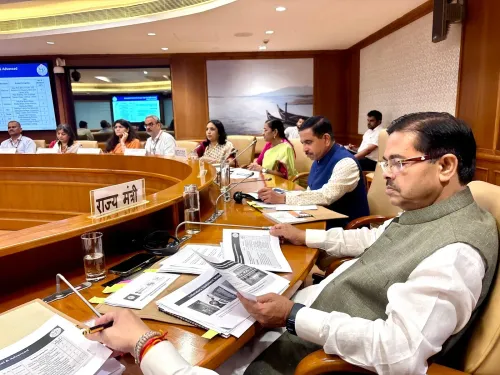
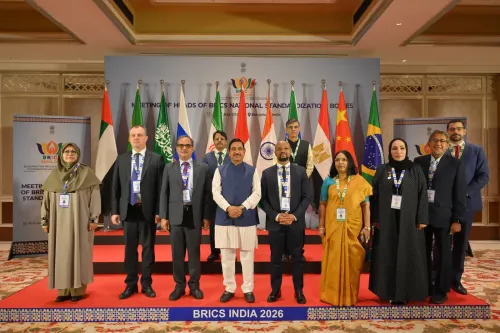
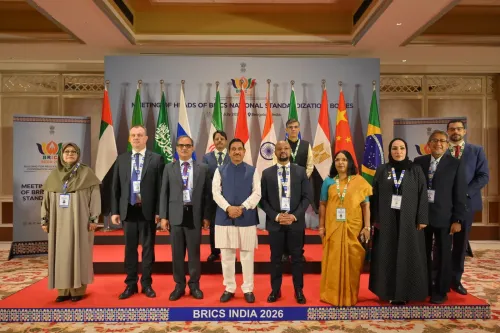
Union Consumer Affairs Minister Pralhad Joshi chaired a review meeting with the Bureau of Indian Standards on 8 July 2026 to prepare for the BRICS Heads of National Standardization Bodies Meeting in Bengaluru, stressing coordination and meticulous planning for the international engagement.
Key Takeaways
Minister Pralhad Joshi chaired a review meeting with BIS on 8 July 2026 ahead of the BRICS Heads of NSBs Meeting.
The BRICS Heads of National Standardization Bodies Meeting is scheduled to be held in Bengaluru .
Joshi emphasised seamless coordination, efficient execution, and meticulous planning for the event.
BIS , under the Ministry of Consumer Affairs, is the nodal agency for India's participation in international standards bodies including ISO and IEC.
Harmonized BRICS standards frameworks can lower technical barriers and reduce compliance costs for Indian exporters .
Outcome documents from the Bengaluru meeting are expected to inform the agenda of the next full BRICS Summit .
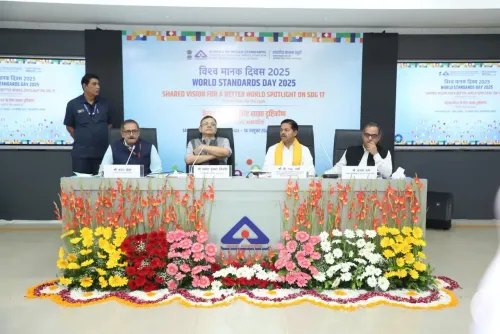
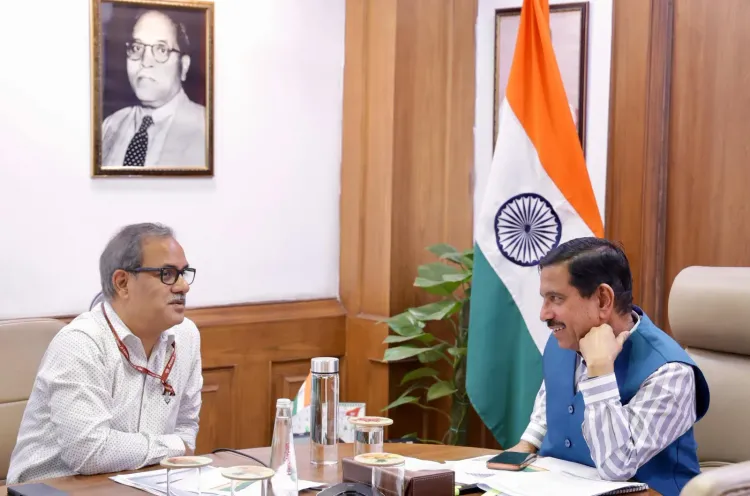
Union Consumer Affairs Minister Pralhad Joshi on Wednesday, 8 July 2026 chaired a review meeting with the Bureau of Indian Standards (BIS) to assess preparations for the upcoming BRICS Heads of National Standardization Bodies (NSBs) Meeting, scheduled to be held in Bengaluru. The minister stressed seamless coordination, efficient execution, and meticulous planning to ensure the successful conduct of the international engagement.
Context
Joshi, who oversees the Ministry of Consumer Affairs, Food and Public Distribution, convened the internal review to take stock of logistical and substantive preparations ahead of the BRICS NSBs conclave. In his post on X, he underlined the importance of the meeting as 'an important international engagement' aimed at strengthening collaboration among BRICS nations in the field of standardization. The Bureau of Indian Standards, India's apex national standards body functioning under his ministry, is the nodal agency for the event.
Policy Backdrop
India regularly participates in and hosts BRICS technical and sectoral meetings as part of the bloc's broader agenda of economic cooperation and global governance reform. The grouping — comprising Brazil, Russia, India, China, and South Africa — has long identified harmonization of technical standards as a lever for easing intra-bloc trade and reducing non-tariff barriers. BIS serves as India's interface with global bodies such as the International Organization for Standardization (ISO) and the International Electrotechnical Commission (IEC), giving it a central role in multilateral standards diplomacy.
Hosting the Heads of NSBs Meeting in Bengaluru positions India as a facilitator of technical cooperation within the emerging-economy grouping. Such meetings typically produce outcome documents or frameworks that guide mutual recognition of standards, directly benefiting exporters on both sides.
Stakeholders and Impact
Indian exporters stand to gain most directly from any convergence in standards frameworks that emerges from the Bengaluru meeting, as harmonized norms lower compliance costs for goods traded within the BRICS bloc. Standards bodies across member nations will use the conclave to align technical frameworks, which can also inform domestic regulatory updates. For BIS, successfully hosting a high-level BRICS event reinforces its standing among peer national standardization bodies in emerging economies.
The meeting also carries symbolic weight at a time when BRICS has expanded its membership and is actively seeking to deepen institutional cooperation beyond finance and diplomacy into technical and regulatory domains.
What's Next
Attention will now turn to the actual conduct of the BRICS Heads of NSBs Meeting in Bengaluru, with stakeholders watching for any outcome documents, joint statements, or memoranda of understanding that emerge from the deliberations. Any agreements reached could feed into the agenda of the next full BRICS Summit, shaping the bloc's collective position on international standards governance. Minister Joshi's direct involvement in the preparatory review signals that New Delhi attaches considerable importance to a smooth and substantive outcome from the Bengaluru conclave.
Point of View
Not mere bureaucratic routine. Hosting the BRICS Heads of NSBs Meeting in Bengaluru fits a broader pattern of India leveraging its BRICS engagement to project regulatory influence among emerging economies. With BRICS expanding and seeking deeper institutional coherence, India's push to position BIS as a credible multilateral actor could yield long-term dividends in mutual recognition agreements. The ministerial attention also puts pressure on BIS to deliver a well-organised event that produces actionable outcomes rather than ceremonial communiques.
NationPress
7 Oct 2026
Frequently Asked Questions
What is the BRICS Heads of National Standardization Bodies Meeting?
It is a high-level conclave of the chief representatives of national standards bodies from BRICS member nations — Brazil, Russia, India, China, and South Africa — convened to advance harmonization of technical standards and reduce trade barriers within the bloc.
Why is the BRICS NSBs Meeting being held in Bengaluru?
India, through the Bureau of Indian Standards, is hosting the meeting in Bengaluru as part of its active engagement with BRICS technical and sectoral cooperation forums. Bengaluru was designated as the host city for this edition of the meeting.
What is the Bureau of Indian Standards (BIS)?
BIS is India's national standards body, functioning under the Ministry of Consumer Affairs, Food and Public Distribution. It is responsible for formulating and enforcing product and process standards, and represents India in international bodies such as ISO and IEC.
How does standards harmonization benefit Indian exporters?
When BRICS nations align their technical standards frameworks, Indian exporters face lower compliance costs because their products do not need separate certifications for each member country's market, making intra-bloc trade smoother and more cost-effective.
What will Pralhad Joshi's role be at the BRICS NSBs Meeting?
As Union Consumer Affairs Minister overseeing BIS, Joshi is the political head responsible for India's preparations. He chaired the review meeting to ensure coordination and planning, though the meeting itself is a technical engagement led by BIS officials and their BRICS counterparts.