Humayun Kabir slams Mamata's court visit as 'drama', backs Vande Mataram in schools
Synopsis
AJUP MLA Humayun Kabir has called Mamata Banerjee’s Calcutta High Court visit on post-poll violence a political performance with no factual basis, while pointedly recalling the deaths reported during her 2021 tenure. On the same day, he backed Chief Minister Suvendu Adhikari’s order mandating Vande Mataram in schools — a move that encapsulates West Bengal’s twin fault lines: electoral accountability and nationalist symbolism.
Key Takeaways
AJUP MLA Humayun Kabir called Mamata Banerjee’s Calcutta High Court visit on post-poll violence ‘pure drama’ on 14 May .
Kabir alleged no post-poll violence occurred after recent elections and accused Banerjee of ignoring deaths reported during her 2021 tenure.
West Bengal Chief Minister Suvendu Adhikari announced that ‘Vande Mataram’ will be sung in all state schools from Monday .
Kabir backed the directive, saying no one should object to the national song being sung in educational institutions.
The developments reflect an intensifying political battle in West Bengal over post-election violence allegations and educational nationalism.
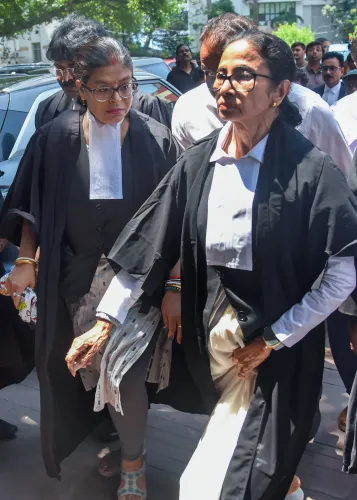
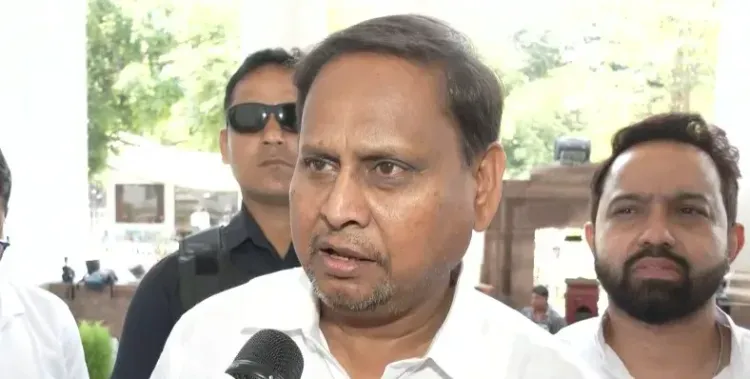
Aam Janata Unnayan Party (AJUP) National President and MLA Humayun Kabir on Thursday, 14 May sharply criticised All India Trinamool Congress (TMC) chief and former West Bengal Chief Minister Mamata Banerjee over her visit to the Calcutta High Court on the issue of alleged post-poll violence, calling it “pure drama” and asserting that no such incidents had occurred following the recent elections.
Kabir Dismisses Post-Poll Violence Claims
Kabir questioned the very premise of the post-poll violence allegations, arguing that Banerjee was deflecting attention from incidents that reportedly took place during her own tenure. He pointed specifically to 2021, when Banerjee was Chief Minister, as a period of far graver violence that is now being conveniently overlooked.
“Where did the post-poll violence occur? In 2021, when she was the Chief Minister, many peoples’ lives were in danger, and many were killed. That is not being remembered now. She is forgetting what was done earlier,” Kabir said.
He further alleged that the High Court visit was driven by political calculation rather than genuine concern. “Today she is just acting and going to the High Court for a drama. It will not serve any purpose. It’s all drama, no one was hurt, there was no post-poll violence,” he added.
Backing Vande Mataram in West Bengal Schools
Kabir also weighed in on the announcement by West Bengal Chief Minister Suvendu Adhikari that ‘Vande Mataram’ — India’s national song — would be sung across schools in the state starting Monday. Kabir expressed unequivocal support for the directive.
“‘Vande Mataram’ is the slogan of India. It is the national song of the motherland. So what is the issue? Earlier also, ‘Vande Mataram’ was sung in schools, colleges, and many places. So what is the problem, if the Chief Minister said so? No one should have any objection to it,” he said.
Broader Political Context
The remarks come amid a sharply escalating political confrontation in West Bengal on two overlapping fronts: the dispute over whether post-election violence occurred and, if so, who bears responsibility; and a widening debate over nationalism and educational policy in the state. The Calcutta High Court visit by Banerjee has drawn both support from her party and criticism from rivals who view it as electioneering by other means.
Notably, the post-poll violence narrative in West Bengal has been a recurring flashpoint — the National Human Rights Commission (NHRC) had previously flagged violence concerns after the 2021 assembly elections, making Kabir’s reference to that period politically charged. Whether the current allegations will gain traction in court remains to be seen.
What Comes Next
The Calcutta High Court is expected to take up the matter in the coming days. Meanwhile, the Vande Mataram directive is set to come into effect from Monday, and any resistance from schools or political groups could further intensify the state’s already heated political atmosphere.
Point of View
When NHRC findings gave the violence narrative credibility. What is underreported is that AJUP, a smaller regional outfit, is staking out a position that closely mirrors the BJP’s line, raising questions about the party’s electoral calculus ahead of future state contests. The Vande Mataram order, meanwhile, is less about pedagogy and more about framing: forcing the opposition to either endorse or resist a symbol of national identity, with predictable political consequences either way.
NationPress
22 Sept 2026
Frequently Asked Questions
Why did Humayun Kabir call Mamata Banerjee’s High Court visit 'drama'?
Kabir alleged that no post-poll violence took place after the recent elections and described Banerjee’s visit to the Calcutta High Court as politically motivated public theatre. He argued she was deflecting attention from deaths reportedly recorded during her tenure as Chief Minister in 2021.
What is the Vande Mataram order for West Bengal schools?
West Bengal Chief Minister Suvendu Adhikari announced that ‘Vande Mataram’, India’s national song, will be sung across schools in the state starting Monday. Kabir has publicly backed the directive, saying no one should have any objection to the national song.
What was Mamata Banerjee's visit to the Calcutta High Court about?
Banerjee visited the Calcutta High Court in connection with allegations of post-poll violence following recent elections in West Bengal. Critics, including Kabir, have called the visit politically motivated and disputed the existence of such violence.
What is the Aam Janata Unnayan Party (AJUP)?
The Aam Janata Unnayan Party is a regional political party in West Bengal. Humayun Kabir serves as its National President and is also an elected MLA. The party has been vocal in its criticism of the Trinamool Congress on issues of law and order and nationalism.
What is the significance of post-poll violence allegations in West Bengal?
Post-poll violence has been a recurring and contested issue in West Bengal. After the 2021 assembly elections, the National Human Rights Commission flagged concerns about violence, making it a politically sensitive subject. The current dispute centres on whether similar incidents occurred after more recent elections.