Odisha CM Office: Kandhamal on full cyclone alert
Synopsis
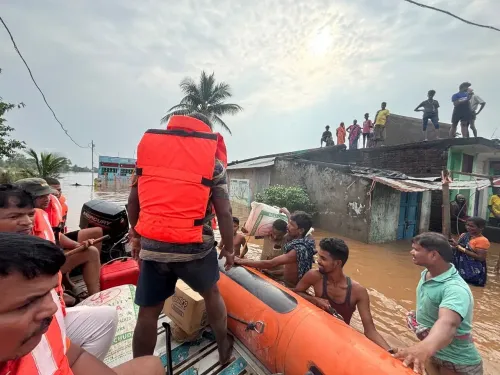
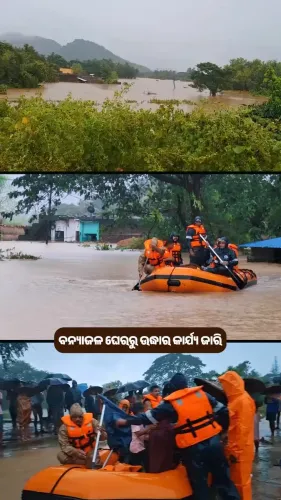
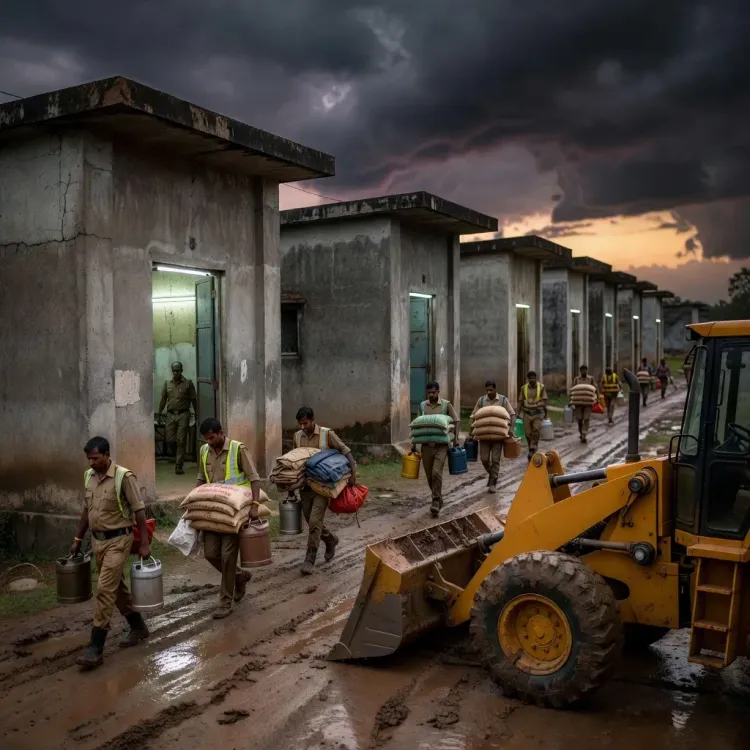
The Chief Minister's Office of Odisha reports full cyclone preparedness in Kandhamal district: 2,394 people evacuated from 18 panchayats including 146 pregnant women, all 35 shelters operational, and NDRF, ODRAF and fire teams deployed alongside 37 JCBs across 12 blocks.
Key Takeaways
2,394 people evacuated from 18 panchayats in Kandhamal district, including 146 pregnant women .
All 35 permanent shelters are operational with food, drinking water, electricity, and medicines.
2 NDRF teams, 1 ODRAF team, and 9 fire service teams are deployed in the district.
37 JCBs pre-positioned for road clearance; generators and water tankers placed across all 12 blocks .
District control room is active with administrative officers monitoring the situation continuously.
Odisha's cyclone preparedness framework dates to the 1999 Super Cyclone and was validated by the Fani 2019 mass evacuation of over 1.2 million people .
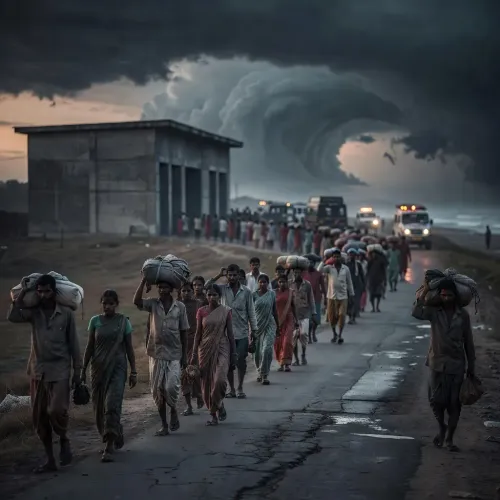
With a cyclone bearing down, Kandhamal district in Odisha is not waiting — 2,394 people, including 146 pregnant women, have already been moved to safety from 18 panchayats as of Monday, 2 November 2026. The Chief Minister's Office of Odisha confirmed the full preparedness mobilisation on X, painting a granular picture of a district-level machine in motion.
2,394 evacuated — and who is being prioritised first
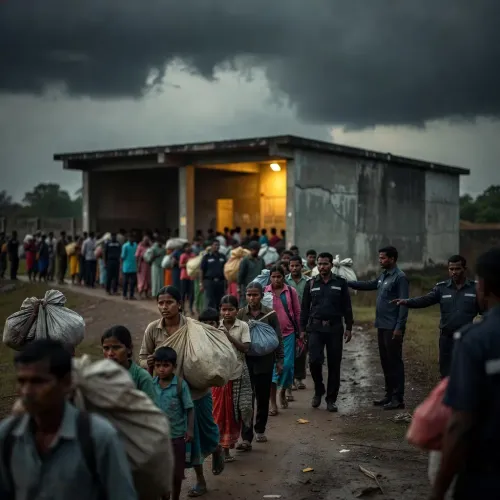
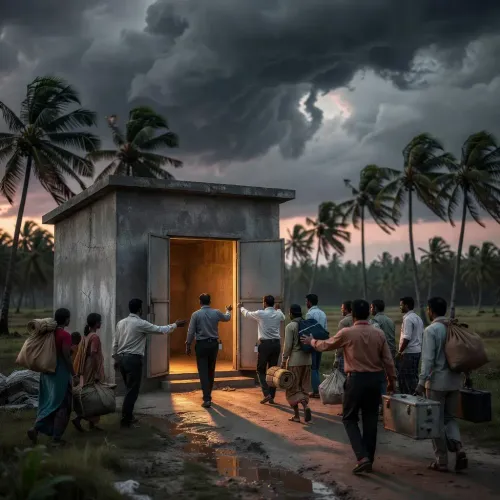
The headline number is telling: of the 2,394 people relocated so far, 146 are pregnant women — a deliberate priority in Odisha's cyclone playbook that reflects hard lessons from past disasters. All 35 permanent concrete shelters in the district are operational, stocked with food, drinking water, electricity, and medicines. No one is being moved into a bare room.
The post, written in Odia, confirms: 'prasaasan sampurna sajaga rahichhi' — 'the administration remains completely alert.' That phrase carries institutional weight in a state that has rebuilt its entire emergency architecture since the catastrophe of 1999.
NDRF, ODRAF, and 37 JCBs — the muscle behind the numbers
On the ground, Kandhamal has deployed 2 NDRF teams, 1 ODRAF team, and 9 fire service teams — a combination of national and state capacity. The National Disaster Response Force is India's premier central rescue unit; ODRAF, Odisha's own Disaster Rapid Action Force, was built specifically to bridge the gap between a cyclone's landfall and when federal resources arrive at scale.
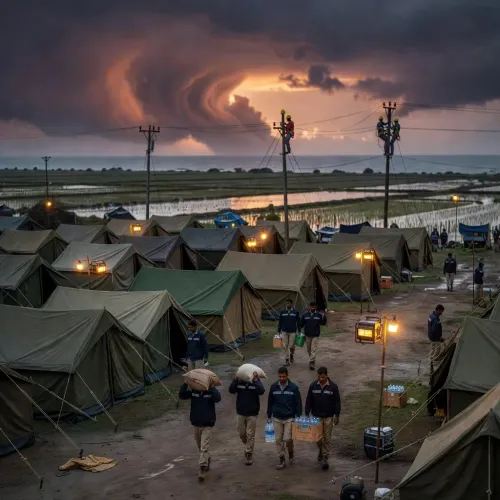
Clearing roads after a storm is often the difference between survivors getting help in hours or days. Kandhamal has pre-positioned 37 JCB excavators, along with generators and water tankers spread across all 12 blocks. The district control room is active and under continuous officer supervision.
Why an inland district runs coastal-grade drills
Kandhamal is not on the coast — yet it sits in a belt of Odisha that absorbs devastating rainfall from Bay of Bengal storms funnelled inland, triggering flash floods and landslides through its hilly terrain and significant tribal settlements. That geographic reality has pushed the district into the same preparedness tier as coastal counterparts.
The blueprint Kandhamal is running today traces directly to the 1999 Super Cyclone, which killed more than 10,000 people across Odisha and shook the state into building one of India's most systematic early-evacuation frameworks. Cyclone Fani in 2019 became the proof point: over 1.2 million people were evacuated across coastal Odisha with minimal casualties, and those standard operating procedures have since spread to interior districts.
The real test, as always, is what happens when the storm actually arrives — whether the shelters hold, whether the JCBs move fast enough, and whether the 2,394 people already inside those 35 shelters stay safe. Odisha has made that outcome more likely than almost any other state in India. Now the district waits.
Point of View
Data-forward, and timed well before a storm hits, signalling administrative accountability rather than post-event damage control. The explicit mention of pregnant women as a priority cohort reflects a matured vulnerability-mapping approach that distinguishes Odisha's model from more reactive state responses. For the ruling BJP government in Bhubaneswar, visible pre-cyclone preparedness in tribal-majority interior districts like Kandhamal also carries political salience, reinforcing a 'caring administration' narrative. The broader pattern confirms Odisha's position as a national benchmark for sub-national disaster management — one that other Bay of Bengal-facing states continue to study.
NationPress
2 Nov 2026
Frequently Asked Questions
How many people have been evacuated in Kandhamal district due to the cyclone?
2,394 people have been evacuated from 18 panchayats in Kandhamal district, including 146 pregnant women , as confirmed by the Chief Minister's Office of Odisha on 2 November 2026 .
How many cyclone shelters are open in Kandhamal right now?
All 35 permanent (pucca) cyclone shelters in Kandhamal district are operational, stocked with food, drinking water, electricity, and medicines.
Which rescue forces are deployed in Kandhamal for the cyclone?
2 NDRF teams, 1 ODRAF team, and 9 fire service teams are currently deployed in Kandhamal district, alongside 37 JCBs and water tankers for post-storm road clearance.
Is Kandhamal a coastal district? Why is it being evacuated for a cyclone?
Kandhamal is an inland district, but its hilly terrain makes it highly vulnerable to flash floods, landslides, and heavy rainfall when Bay of Bengal cyclones move inland. Odisha includes such districts in its standard cyclone preparedness protocols.
What is ODRAF and how is it different from NDRF?
ODRAF — the Odisha Disaster Rapid Action Force — is the state's own rapid response unit, created to provide immediate local capacity before national resources scale up. NDRF is the central government's specialised disaster response force deployed by the Union government during major emergencies.