Karnataka CM Office Warns Youth on Drug Abuse
Synopsis
The Chief Minister's Office of Karnataka released a Kannada-language video advisory on 26 June 2026, urging youth going astray due to drug use to heed words of wisdom, timed to the UN's International Day Against Drug Abuse and Illicit Trafficking.
Key Takeaways
The Chief Minister's Office of Karnataka posted a public advisory on 26 June 2026 targeting youth affected by substance abuse.
The message, in Kannada , translates to 'words of wisdom for young people going astray due to drug use.' The post was timed to the International Day Against Drug Abuse and Illicit Trafficking , observed globally every 26 June .
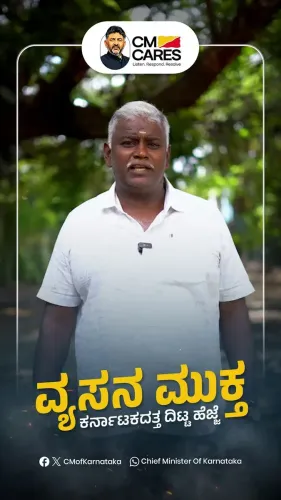
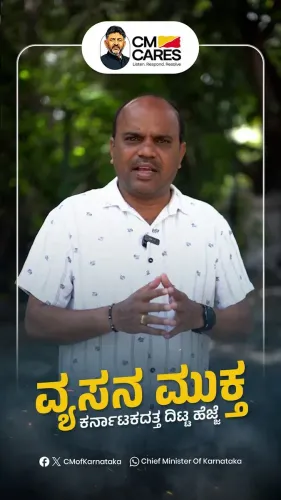
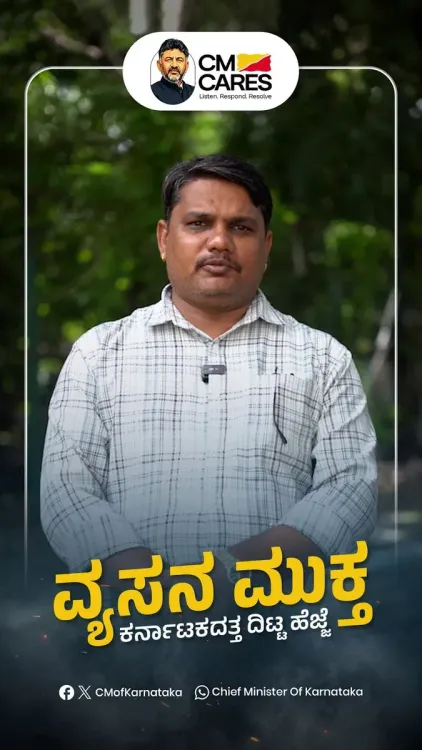
A video was included, indicating a shift toward more engaging digital outreach for younger audiences.
The advisory aligns with state-level implementation of the Narcotic Drugs and Psychotropic Substances Act, 1985 .
Future policy watchers will look for follow-up budget allocations for de-addiction centres and school awareness programmes.
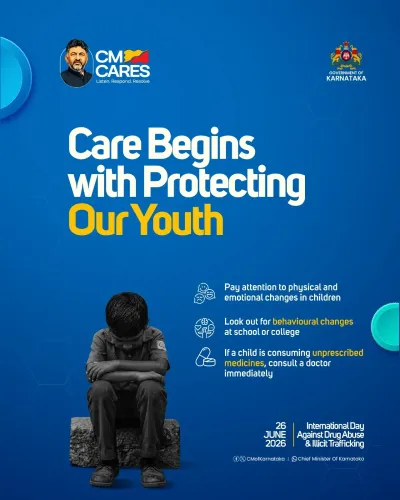
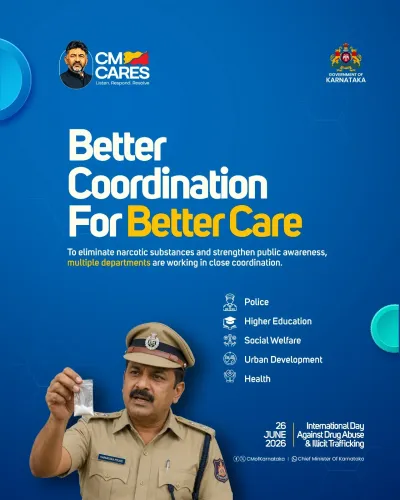
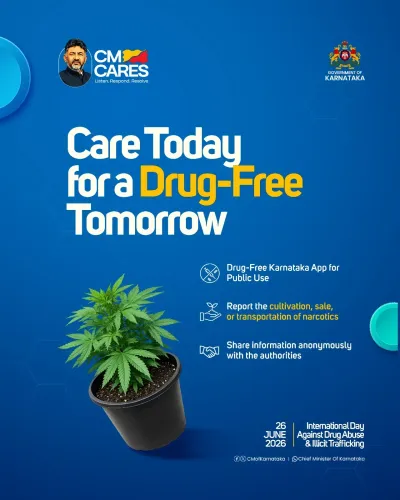
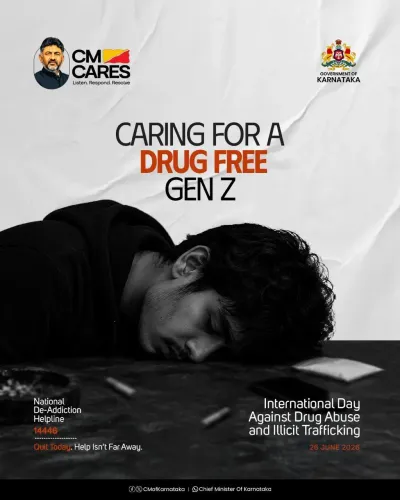
The Chief Minister's Office of Karnataka issued a public advisory on Friday, 26 June 2026, directed at young people being led astray by substance abuse, sharing a video message timed to coincide with the International Day Against Drug Abuse and Illicit Trafficking.
Context
The post, written in Kannada, translates to: 'Words of wisdom for young people going astray due to drug use.' The message was released on the evening of 26 June, the date the United Nations designates each year for global awareness on narcotics and illicit trafficking. The accompanying video underscores the advisory's intent to reach youth directly through social media.
The choice of platform and timing reflects a deliberate effort by the Government of Karnataka to amplify the international observance at the state level, using the Chief Minister's official handle to lend institutional weight to the message.
Policy Backdrop
India's foundational legal instrument on this issue, the Narcotic Drugs and Psychotropic Substances (NDPS) Act, 1985, established the framework for controlling drug trafficking and supporting rehabilitation across the country. State governments are responsible for implementing de-addiction and awareness programmes within this national framework.
Karnataka has periodically addressed urban youth substance use through awareness campaigns and de-addiction initiatives aligned with central guidelines. Official advisories issued through digital channels on 26 June each year have become a recurring feature of state-level narcotics awareness efforts across India.
Stakeholders and Impact
The primary audience identified in the post is youth and young adults in Karnataka who may be vulnerable to or already affected by substance abuse. By framing the message as 'words of wisdom from the aware' — pragnjavantara kivi maatu — the advisory adopts a counselling tone rather than a punitive one, signalling a preference for outreach over deterrence in public communication.
Families, educators, and community leaders in the state are secondary stakeholders, as such messaging typically aims to equip them to engage at-risk youth. De-addiction centres and non-governmental organisations working in this space may also see renewed public attention directed toward their services.
What's Next
Observers will watch whether this advisory is followed by concrete policy announcements, such as enhanced budget allocations for de-addiction centres or structured awareness programmes in Karnataka's schools and colleges in the next legislative session. Single-day observance posts carry limited policy weight on their own; their significance grows when they precede or accompany tangible administrative action.
The broader pattern of Indian states using the 26 June window for narcotics messaging suggests this post is part of an annual communication cycle, but the video format indicates an effort to move beyond text-only advisories toward more engaging outreach for a younger audience.
Point of View
Suggesting an awareness that generic English messaging fails to reach the most vulnerable youth demographics in the state. However, advisory posts without accompanying scheme announcements or budget commitments risk being absorbed into the annual noise of observance-day communication. The real test of political seriousness on drug abuse in Karnataka will be whether this messaging translates into measurable allocations in the next state budget.
NationPress
26 Jun 2026
Frequently Asked Questions
Why did the Karnataka CM Office post about drug abuse on 26 June?
26 June is the International Day Against Drug Abuse and Illicit Trafficking , observed globally each year. The Karnataka CMO timed its advisory to align with this UN observance, a common practice among Indian state governments.
What did the Karnataka CMO's drug awareness post say?
The post, written in Kannada , translates to 'words of wisdom for young people going astray due to drug use,' and was accompanied by a video message aimed at youth.
What is India's main law on drug abuse?
The Narcotic Drugs and Psychotropic Substances (NDPS) Act, 1985 is India's primary legislation controlling drug trafficking and supporting rehabilitation, under which state governments implement their own awareness and de-addiction programmes.
What programmes does Karnataka have for drug de-addiction?
Karnataka has historically run awareness campaigns and de-addiction initiatives aligned with central government guidelines, though specific scheme details from this advisory were not announced in the post.
Is drug abuse a growing problem among Karnataka's youth?
Indian state governments, including Karnataka, have increasingly flagged urban youth substance use as a concern, addressing it through periodic advisories and de-addiction outreach, particularly around the annual 26 June observance.