Cauvery crisis: Karnataka CM Shivakumar holds emergency meet after CWMA upholds 3,500-cusec order
Synopsis
The CWMA has rejected Karnataka's appeal and upheld the order to release 3,500 cusecs daily to Tamil Nadu — even as the state cites drought and a looming drinking water crisis. With farmer protests intensifying and an all-party meeting called for 2 August, CM Shivakumar is navigating one of the most politically charged water standoffs in years, with a possible Supreme Court challenge on the horizon.
Key Takeaways
CWMA on 30 July upheld the CWRC directive requiring Karnataka to release 3,500 cusecs of Cauvery water daily to Tamil Nadu for 15 days from 29 July .
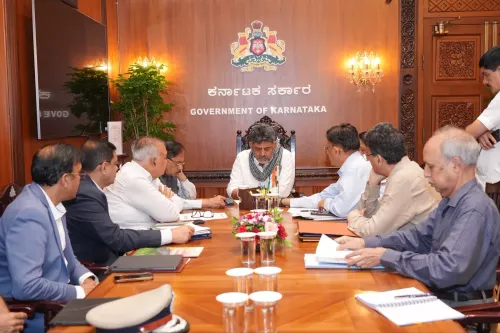
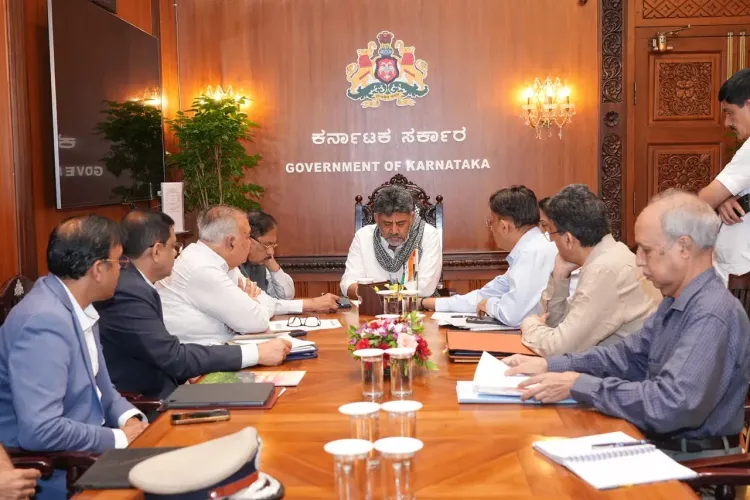
Shivakumar chaired an emergency high-level meeting at Vidhana Soudha, Bengaluru on 31 July to formulate the state's response.
An all-party meeting is scheduled for 2 August at CM Shivakumar's residence, Krishna , with all former CMs, MPs, and party leaders invited.
Karnataka maintains that reservoir levels are critically low and the state faces a potential drinking water crisis .
Cross-party support has emerged, with BJP MPs and Union Ministers backing Karnataka's position beyond party lines.
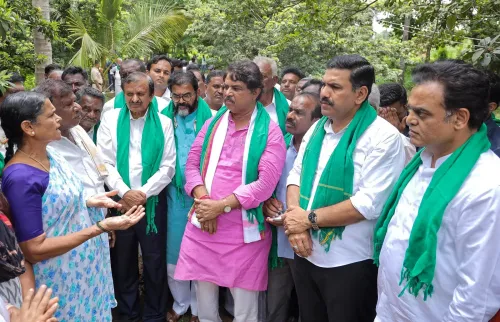
Farmer groups and pro-Kannada organisations have launched protests against the water release order.
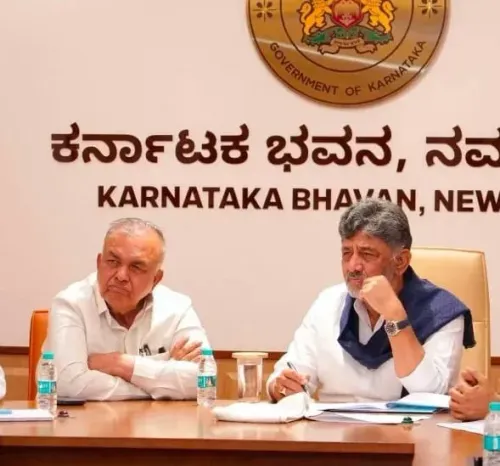
Karnataka Chief Minister D.K. Shivakumar on Friday, 31 July chaired an emergency high-level meeting at Vidhana Soudha in Bengaluru, hours after the Cauvery Water Management Authority (CWMA) upheld a directive requiring the state to release water to Tamil Nadu at 3,500 cusecs per day for 15 days. The meeting signalled Karnataka's intent to mount a coordinated political and legal response to the order.
Background: The CWRC Order and Karnataka's Appeal
The dispute escalated after the Cauvery Water Regulation Committee (CWRC) directed Karnataka to release 3,500 cusecs of water daily to Tamil Nadu starting 29 July, for a period of 15 days. Karnataka, citing drought conditions and critically low reservoir levels, challenged the directive before the CWMA. In a setback to the state, the CWMA — which convened in New Delhi on Thursday, 30 July — upheld the CWRC's order in full.
This is not the first time Karnataka has found itself in this position. The Cauvery dispute has triggered similar standoffs repeatedly over the past three decades, with inter-state water sharing remaining one of the most politically volatile issues in South India.
Who Was in the Room
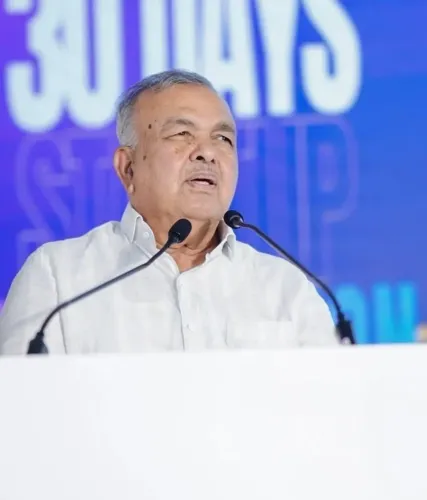
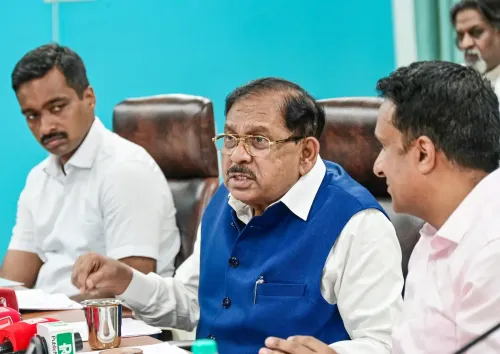
Friday's meeting at Vidhana Soudha was attended by Deputy Chief Minister G. Parameshwara, Transport Minister Ramalinga Reddy, Chief Secretary Shalini Rajneesh, Advocate General Shashi Kiran Shetty, Additional Chief Secretaries Tushar Girinath, Gaurav Gupta, and Rajendra Kumar Kataria, and Bengaluru Police Commissioner Seemanth Kumar Singh, among other senior officials. The presence of the police commissioner points to the state's concern over public order, given ongoing protests by farmer groups and pro-Kannada organisations against any water release.
All-Party Meeting Called for August 2
CM Shivakumar had announced on Thursday that an all-party meeting will be held on 2 August at his official residence, Krishna, to deliberate on the state's course of action. Speaking to reporters in Delhi, he said invitations had been extended to all former Chief Ministers, Members of Parliament from the Cauvery catchment region, floor leaders, and heads of all political parties.
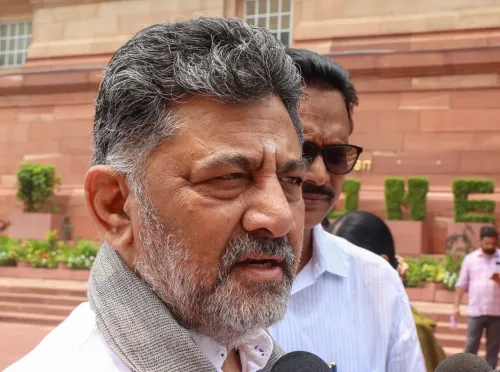
'We will discuss the future course of action in the all-party meeting. Today, Karnataka is presenting its case before the authorities, and senior officers are making submissions on behalf of the state. I have been monitoring the developments closely,' Shivakumar said.
Cross-Party Support and a Measured Tone
Notably, Shivakumar acknowledged cross-party solidarity on the issue, stating that Union Ministers Pralhad Joshi and V. Somanna, former Chief Ministers, and Bharatiya Janata Party (BJP) MPs Basavaraj Bommai and Jagadish Shettar had extended their support in safeguarding Karnataka's interests. 'I must acknowledge that all our MPs and Union Ministers are extending cooperation beyond political considerations to protect the interests of the state,' he said.
On suggestions that Tamil Nadu Chief Minister Joseph Vijay should engage the Union government rather than meeting him directly on the matter, Shivakumar declined to respond, saying he did not wish to react to those remarks. 'We do not want confrontation. There is a law of the land, and we must respect each other and the sentiments of the people on both sides. This is one country,' he said.
What Comes Next
Karnataka's legal and political options remain limited given the CWMA's affirmation of the CWRC order. The state may approach the Supreme Court for relief, a route it has taken in previous disputes. The all-party meeting on 2 August is expected to determine whether Karnataka seeks judicial intervention or explores a negotiated timeline for compliance. The outcome will be closely watched by farming communities in both states, whose livelihoods depend on Cauvery flows during the critical kharif season.
Point of View
While facing intense domestic political pressure not to comply. The cross-party solidarity Shivakumar is cultivating is tactically shrewd, but it narrows the state's room to quietly comply without a fight. What is missing from the public discourse is a credible, independent assessment of Karnataka's actual reservoir levels — a data gap that allows both sides to argue past each other. The all-party meeting on 2 August will reveal whether Karnataka is preparing a Supreme Court challenge or buying time for reservoir levels to provide a natural out.
NationPress
31 Jul 2026
Frequently Asked Questions
What did the CWMA order Karnataka to do?
The Cauvery Water Management Authority (CWMA) upheld the CWRC directive requiring Karnataka to release water to Tamil Nadu at 3,500 cusecs per day for 15 days, starting 29 July. Karnataka had appealed against the original CWRC order, citing drought conditions and low reservoir levels, but the CWMA rejected the appeal on 30 July.
Why is Karnataka resisting the Cauvery water release?
Karnataka argues that its reservoirs are at critically low levels and that complying with the release order could trigger a drinking water crisis within the state. Farmer groups and pro-Kannada organisations have also mounted protests, adding political pressure on the state government.
What is the all-party meeting on 2 August about?
CM D.K. Shivakumar has convened an all-party meeting on 2 August at his official residence, Krishna, to determine Karnataka's next steps in the Cauvery dispute. All former Chief Ministers, MPs from the Cauvery catchment region, and leaders of all political parties have been invited.
Who attended the high-level meeting at Vidhana Soudha?
The meeting was attended by Deputy CM G. Parameshwara, Transport Minister Ramalinga Reddy, Chief Secretary Shalini Rajneesh, Advocate General Shashi Kiran Shetty, senior Additional Chief Secretaries, and Bengaluru Police Commissioner Seemanth Kumar Singh, among other officials.
What are Karnataka's legal options after the CWMA ruling?
Karnataka can approach the Supreme Court to challenge or seek a stay on the CWMA order, a route the state has used in previous Cauvery disputes. The all-party meeting on 2 August is expected to decide whether to pursue judicial intervention or seek a negotiated timeline for compliance.