Karnataka CMO Celebrates State's Heritage and Natural Splendour
Synopsis
The Chief Minister's Office of Karnataka posted a Kannada tribute on 14 November 2026 celebrating the state's blend of UNESCO-listed monuments — Hampi, the Hoysala temples of Belur and Halebidu — with the Western Ghats' ecology and its Arabian Sea coastline, framing Karnataka as 'one state, many worlds.'
Key Takeaways
Karnataka CMO posted a Kannada cultural tribute on 14 November 2026 , calling the state 'one state, many worlds.' Hampi , the Vijayanagara Empire's ruined capital, is a UNESCO World Heritage Site known for Dravidian temple architecture.
Belur and Halebidu 's Hoysala temples were inscribed on the UNESCO World Heritage List in 2023 , giving Karnataka a rare double UNESCO distinction.
The Western Ghats , also UNESCO-listed, run along Karnataka's western edge and are among the world's most biodiverse regions.
Karnataka holds three UNESCO World Heritage designations — among the highest for any single Indian state.
The post reflects the state's long-running strategy of promoting its heritage and ecological assets as a combined tourism identity.
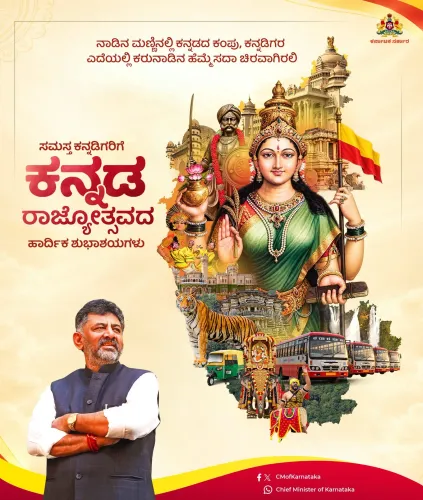
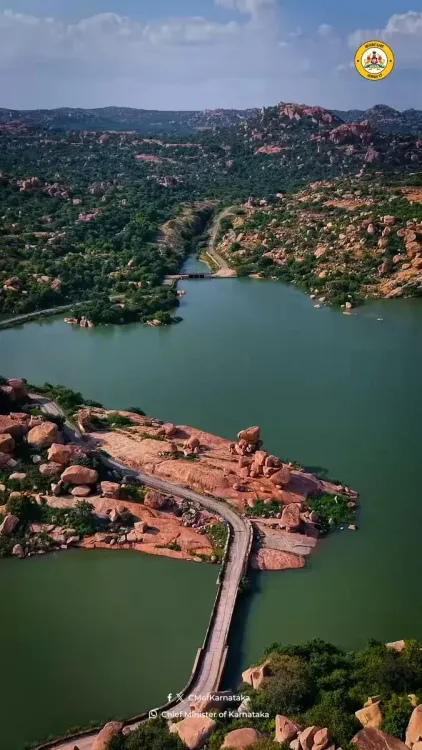
From the boulder-strewn ruins of a medieval empire to the mist-draped ridges of one of the world's most biodiverse mountain ranges, Karnataka holds a geography that few Indian states can rival — and the Chief Minister's Office of Karnataka put that case to its audience on Saturday, 14 November 2026, with a sweeping cultural tribute posted on X.
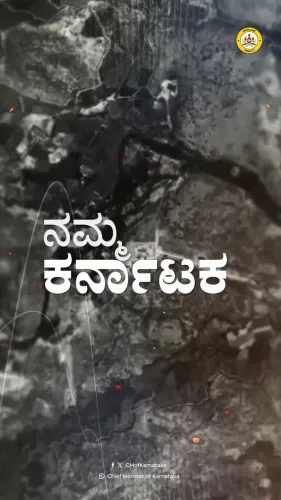
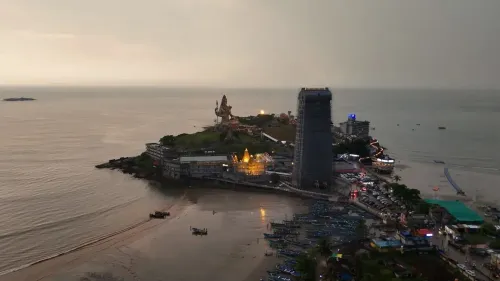
The post, written in Kannada, opens with a line that translates as 'Ondu raajya, halavu jagatthu!' — 'One state, many worlds!' — before tracing an arc from Hampi's stone sculptures to the artistic mastery of Belur and Halebidu, and from the Western Ghats' rolling fog to the open beaches of the Karnataka coast. 'An extraordinary confluence of history, heritage, and nature — that is our proud Karnataka,' the post concludes.
Hampi to Halebidu: The Sculptural Spine of Karnataka
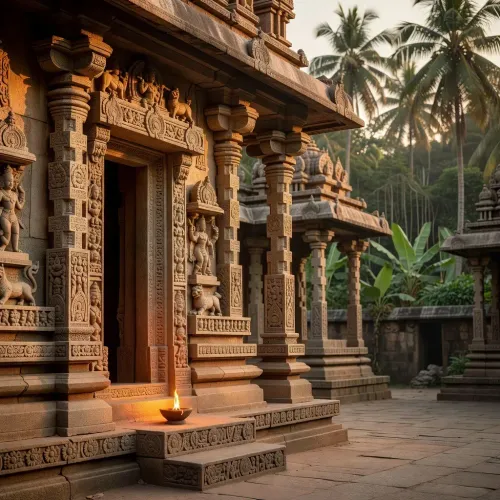
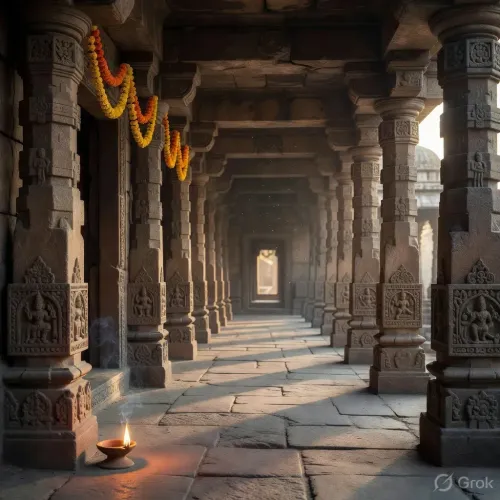
Hampi, the ruined capital of the Vijayanagara Empire, carries UNESCO World Heritage status and draws visitors to its Dravidian temples, chariot shrines, and monolithic statues scattered across a surreal landscape of granite boulders. Roughly 350 kilometres to the northwest, the twin Hoysala sites of Belur and Halebidu represent a different artistic tradition entirely — the 12th-century Chennakeshava Temple at Belur and the Hoysaleswara Temple at Halebidu are celebrated for stone friezes so intricate they appear almost woven rather than carved. Together, the Hoysala monuments were inscribed on the UNESCO World Heritage List in 2023, giving Karnataka a rare double UNESCO distinction.
Western Ghats Mist and the Coastal Edge
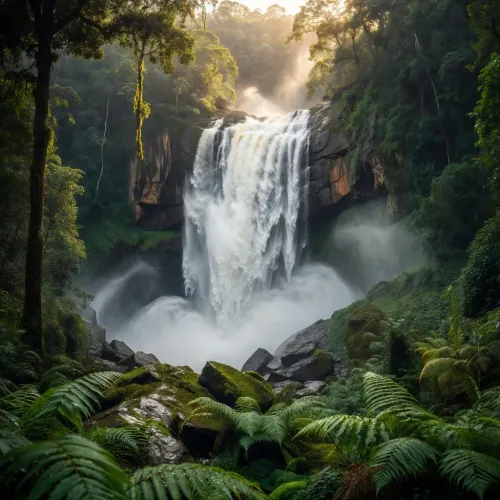
Karnataka's western flank presents an ecological counterpoint to its archaeological wealth. The Western Ghats — another UNESCO World Heritage site — run along the state's border with Kerala, sheltering rainforests, tiger reserves, and river headwaters that feed peninsular India. The coast the post references stretches across districts including Dakshina Kannada and Uttara Kannada, home to beaches, estuaries, and a seafaring cultural tradition distinct from the Deccan plateau inland.
State Pride as a Tourism Signal
Posts of this kind from the Chief Minister's Office consistently serve a dual purpose: affirming cultural identity for a domestic Kannada-speaking audience while signalling Karnataka's tourism proposition to a broader national and international audience. Karnataka's tourism sector has long leaned on the Vijayanagara and Hoysala heritage circuits as anchor attractions, with the Western Ghats drawing a separate stream of eco-tourism and adventure travellers. The CMO's framing — one state, many worlds — compresses that diversity into a single, shareable pitch.
Karnataka is one of only a handful of Indian states to hold three UNESCO World Heritage designations (Hampi, the Western Ghats, and the Hoysala monuments), a fact that gives the cultural pride on display here a concrete, internationally recognised foundation.
For a state that bridges the Deccan's ancient empires, the subcontinent's most biodiverse mountain corridor, and a storied Arabian Sea coastline, the post's central claim is hard to argue with — Karnataka really does contain multitudes.
Point of View
Toward tourism audiences. It arrives at a moment when Karnataka's heritage credentials have never been stronger on paper, with the 2023 UNESCO inscription of the Hoysala monuments adding fresh international cachet to an already impressive portfolio. State governments across India increasingly use social media as a low-cost, high-reach tourism promotion channel, and Karnataka's triple UNESCO status gives it a factual foundation that most rivals cannot match. The broader pattern to watch is whether such messaging translates into concrete budget allocations for heritage conservation and infrastructure at these sites.
NationPress
14 Nov 2026
Frequently Asked Questions
Why is Hampi famous in Karnataka?
Hampi is the ruined capital of the medieval Vijayanagara Empire and a UNESCO World Heritage Site, celebrated for its Dravidian temples, monolithic statues, and dramatic granite boulder landscape.
Are Belur and Halebidu UNESCO World Heritage Sites?
Yes. The Hoysala monuments at Belur and Halebidu were inscribed on the UNESCO World Heritage List in 2023, recognised for their extraordinarily intricate stone sculptural artistry.
How many UNESCO World Heritage Sites does Karnataka have?
Karnataka has three UNESCO World Heritage Sites: Hampi, the Western Ghats (shared with other states), and the Hoysala monuments at Belur and Halebidu.
What is the Western Ghats known for in Karnataka?
The Western Ghats in Karnataka are a UNESCO-listed mountain range recognised for exceptional biodiversity, sheltering rainforests, tiger reserves, and river headwaters that supply much of peninsular India.
What did the Karnataka Chief Minister's Office post on 14 November 2026?
The CMO of Karnataka posted a Kannada-language tribute on X describing the state as 'one state, many worlds,' highlighting Hampi, the Hoysala temples, the Western Ghats, and the Karnataka coastline as symbols of state pride.