Karnataka Congress urges CEO to protect 80 lakh voters facing deletion
Synopsis
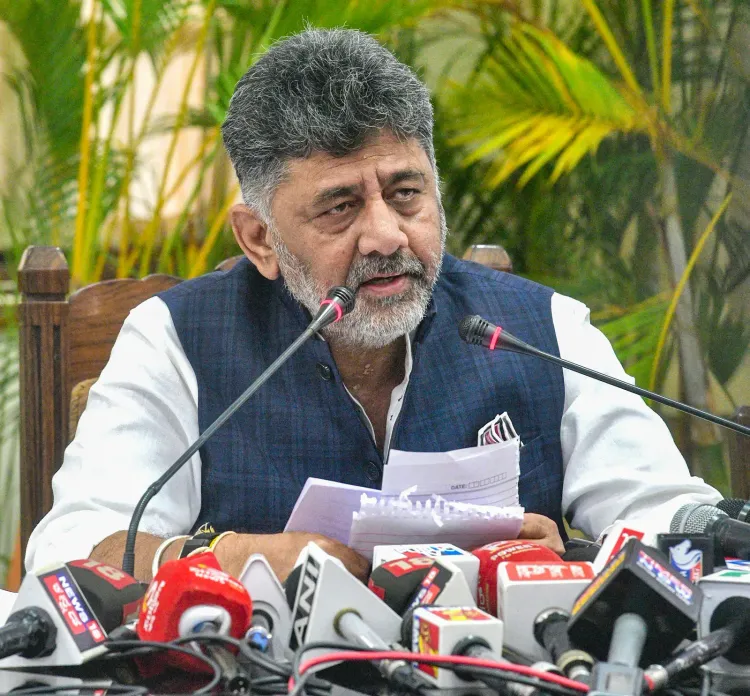
Karnataka Congress has put the Election Commission on notice: an ongoing voter roll revision exercise could erase 80 lakh names — 15% of the state's electorate — if safeguards are not enforced. The KPCC's formal representation demands second-level verification, political oversight, and facilitation centres, raising the stakes for how India's largest democracy manages its voter lists ahead of future elections.
Key Takeaways
The KPCC submitted a representation to State CEO V.
Anbukkumar on 29 July over the Special Intensive Revision (SIR) of electoral rolls.
More than 80 lakh electors — nearly 15% of Karnataka's electorate — have been flagged under deletion-risk categories.
Congress demanded second-level physical verification before any voter is removed from the rolls.
The party sought facilitation centres at village, ward, and polling station levels for affected citizens.
The KPCC urged action under the Representation of the People Act, 1950 against those spreading misinformation about the SIR process.
The party invoked Article 324 of the Constitution , citing the Election Commission's obligation to maintain accurate and inclusive electoral rolls.
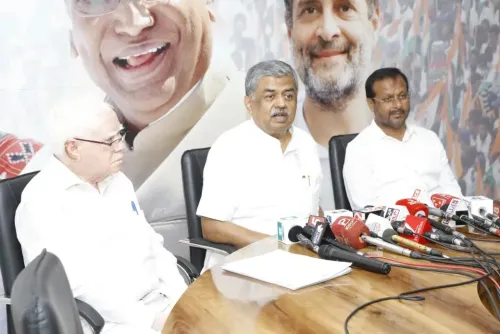
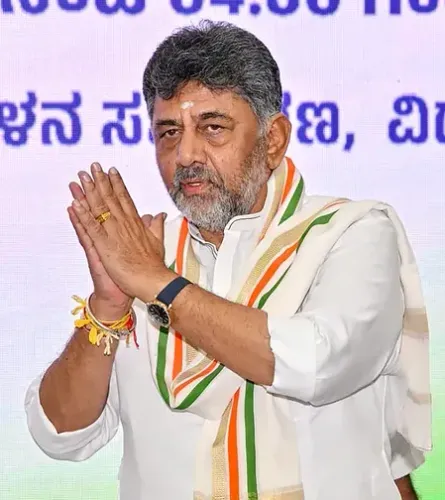
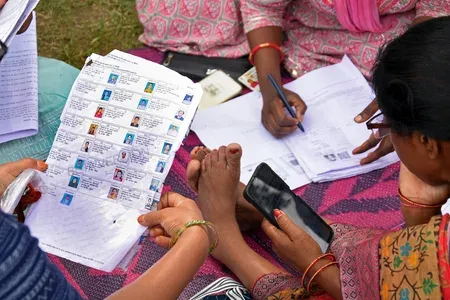
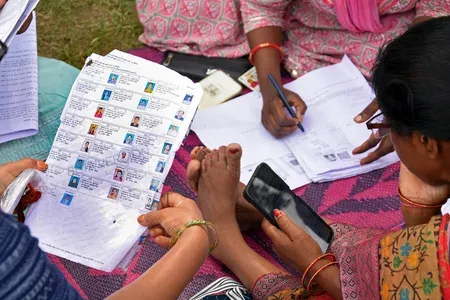
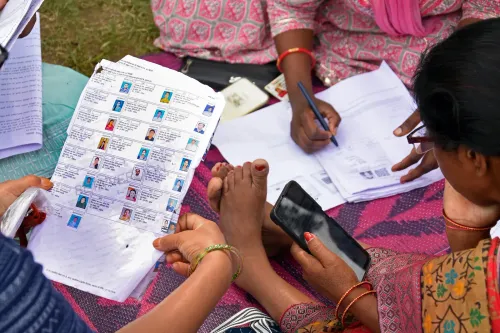
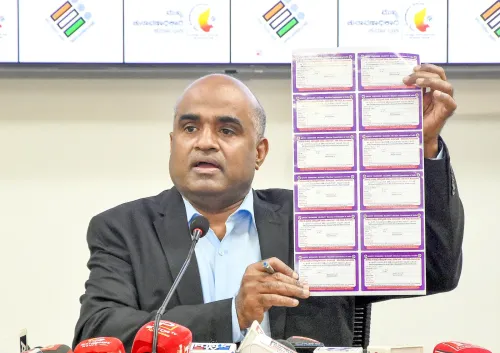
The Karnataka Pradesh Congress Committee (KPCC) on Wednesday, 29 July submitted a formal representation to State Chief Electoral Officer V. Anbukkumar, raising alarm over the ongoing Special Intensive Revision (SIR) of electoral rolls and demanding immediate safeguards to prevent the wrongful deletion of genuine voters from the state's voter list.
The Scale of Concern
The KPCC memorandum, signed by party office-bearer Ramesh Babu, flagged reports that more than 80 lakh electors — roughly 15 per cent of Karnataka's total electorate — have been placed under categories such as 'Absent', 'Shifted', 'Refused to Sign', 'Multiple Enrolments', and 'ASDDO' during the revision exercise. The party cautioned that acting on these classifications without rigorous scrutiny could strip a substantial number of eligible citizens of their constitutional right to vote.
Key Demands Placed Before the Election Commission
The Congress made clear that while removing duplicate and ineligible entries from electoral rolls is necessary, it must not result in the exclusion of genuine voters due to administrative lapses or incomplete field verification. Among its core demands, the KPCC sought:
A second-level physical verification for all voters proposed for deletion under absent, shifted, or similar categories. A bar on removing any elector solely on the basis of a single house visit or incomplete check. Adequate prior notice and a fair opportunity for affected voters to present their case before any deletion is finalised. The establishment of facilitation centres at village, ward, and polling station levels to help citizens correct records and submit supporting documents.
Transparency and Political Oversight
To strengthen accountability, the KPCC urged the Election Commission to publish constituency-wise and category-wise data on proposed deletions, and to allow recognised political parties to monitor the verification process and file objections where genuine voters face omission. The party specifically highlighted the vulnerability of senior citizens, persons with disabilities, women, migrant workers, daily wage earners, and students — groups most likely to lose enrolment due to procedural barriers.
Misinformation Concerns and Constitutional Obligations
The KPCC additionally alleged that certain individuals and political organisations were circulating misleading information about the SIR process, potentially discouraging citizens from participating in the revision exercise. It urged the Election Commission to issue public clarifications and initiate action under the Representation of the People Act, 1950, and the Registration of Electors Rules, 1960, against those found deliberately spreading misinformation. Invoking Article 324 of the Constitution, the party argued that the Election Commission carries a constitutional obligation to ensure electoral rolls are accurate, inclusive, and error-free. How the Commission responds to the representation is expected to shape the pace and methodology of the SIR process across Karnataka's districts in the weeks ahead.
Point of View
A state where electoral margins are frequently razor-thin. The 80-lakh figure, if accurate, represents a revision exercise of unusual scale, and the categories flagged — 'Absent', 'Shifted', 'Refused to Sign' — are precisely those most prone to field-level error in a state with high internal migration. What the Congress has not addressed is its own responsibility as a ruling party in Karnataka to ensure the state machinery facilitates, not obstructs, the verification process. The real accountability question is whether the Election Commission will treat this as a procedural complaint or a systemic signal that the SIR methodology needs revision before deletions are finalised.
NationPress
28 Oct 2026
Frequently Asked Questions
What is the Special Intensive Revision (SIR) of electoral rolls in Karnataka?
The Special Intensive Revision (SIR) is a periodic exercise conducted by the Election Commission to update and clean voter rolls by identifying duplicate, ineligible, or incorrectly listed entries. In Karnataka's current round, more than 80 lakh voters have reportedly been flagged under categories such as 'Absent', 'Shifted', and 'Multiple Enrolments', prompting concern from the Congress party.
Why is the Karnataka Congress concerned about the voter roll revision?
The KPCC fears that without adequate verification, genuine voters could be wrongfully deleted from the electoral rolls, depriving them of their constitutional right to vote. The party argues that classifications like 'Absent' or 'Shifted' are prone to administrative error, particularly for migrant workers, senior citizens, and students.
What safeguards has the KPCC demanded from the Election Commission?
The KPCC has demanded second-level physical verification before any voter is removed, a ban on deletions based on a single house visit, adequate notice to affected voters, and the establishment of facilitation centres at village and ward levels. It also sought constituency-wise publication of proposed deletion data and the right for political parties to monitor the process.
Who are the most vulnerable voters at risk of wrongful deletion?
According to the KPCC representation, senior citizens, persons with disabilities, women, migrant workers, daily wage earners, and students are most at risk of losing voter enrolment due to procedural hurdles during the revision exercise.
What legal framework did the Congress invoke in its representation?
The KPCC invoked Article 324 of the Constitution, which grants the Election Commission authority over the conduct of elections, and called for action under the Representation of the People Act, 1950, and the Registration of Electors Rules, 1960, against those spreading misinformation about the SIR process.