Bandipur, Nagarahole tiger reserves get full safari reopening after 100-day ban
Synopsis
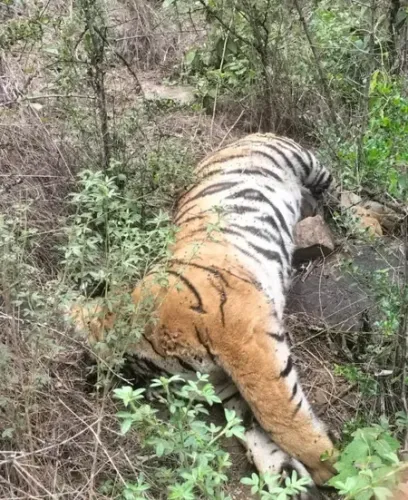
Karnataka has lifted the full ban on jungle safaris at Bandipur and Nagarahole Tiger Reserves — ending a 100-day closure triggered by deadly tiger attacks that cost the region an estimated ₹400 crore. The reopening follows a Technical Committee's carrying-capacity assessment and the relocation of 25 tigers, but the real test is whether regulated tourism can hold under pressure from a lobbying-heavy ecotourism industry.
Key Takeaways
Karnataka approved full jungle safari resumption at Bandipur and Nagarahole Tiger Reserves on 26 June .
Safaris had been banned since 7 November 2025 — a suspension of more than 100 days — following a series of deadly tiger attacks.
Authorities trapped and relocated 25 tigers and cubs , bringing animal attacks down to zero before the full reopening was cleared.
An estimated 8,000 jobs in the region depend on ecotourism; industry bodies placed losses at around ₹400 crore during the closure.
The Forest Department has been directed to operate safaris strictly within the ecological carrying-capacity limits set by the Technical Committee .
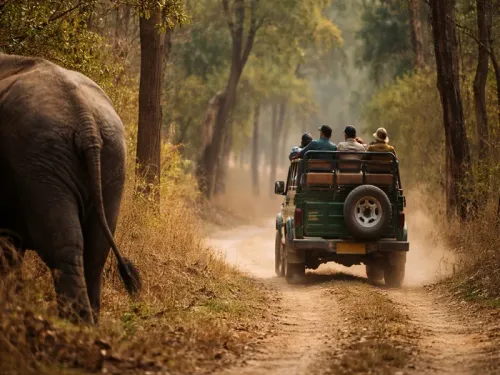
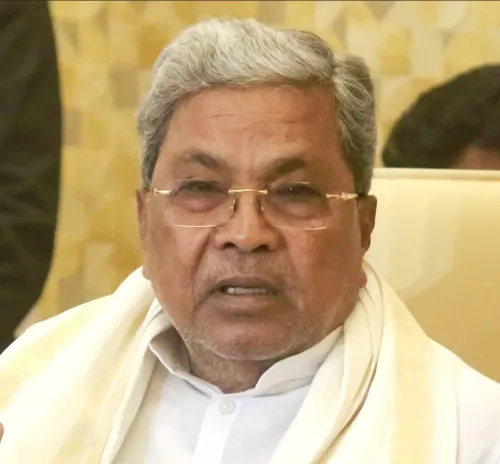
The Karnataka government on Friday, 26 June approved the full resumption of jungle safari operations at Bandipur Tiger Reserve and Nagarahole Tiger Reserve, acting on scientifically assessed carrying-capacity recommendations submitted by a state-appointed Technical Committee comprising wildlife experts and senior officials. The decision, announced by the Chief Minister's Office (CMO), ends a disruption that had lasted more than 100 days and cost the regional ecotourism sector an estimated ₹400 crore.
What the Technical Committee Recommended
The Technical Committee evaluated the ecological carrying capacity of both reserves before submitting its guidelines on regulating visitor movement and safari frequency. The state government accepted the report in full and directed the Forest Department to resume operations strictly within those prescribed parameters. According to the CMO statement, safari operations will be conducted in a regulated manner to balance tourism with wildlife conservation.
Background: Why Safaris Were Suspended
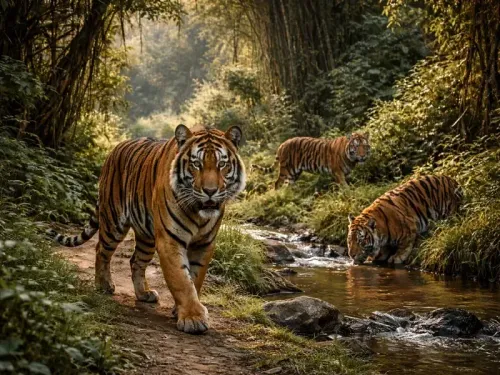
The Karnataka government imposed a ban on jungle safaris across the Mysuru-Chamarajanagar belt on 7 November 2025, following a series of deadly tiger attacks that triggered widespread panic among local communities. Authorities subsequently trapped and relocated 25 tigers and cubs and enforced strict movement restrictions in the affected zones. Those measures, according to officials, brought the number of animal attacks down to zero — creating the conditions for a phased resumption. Limited safaris in the tiger habitat had already restarted before Friday's full-reopening order.
Economic Toll on Local Communities
The prolonged closure inflicted severe economic damage on a region where an estimated 8,000 jobs are directly tied to ecotourism, according to reports. Industry representatives placed losses during the year-end holiday season alone at around ₹400 crore. Tourist bookings had fallen sharply, with visitors reportedly diverting to alternative destinations including Masinagudi in Tamil Nadu and Wayanad in Kerala. Stakeholders had staged protests demanding a faster reopening.
Karnataka's Sustainable Tourism Commitment
The state government framed the decision within its broader ecotourism policy, reiterating its commitment to a model that safeguards ecological integrity while generating livelihoods for communities bordering the reserves. Officials emphasised that visitor management will remain science-driven, with disbursement of safari permits tied to the carrying-capacity thresholds set by the committee.
What Happens Next
The Forest Department is expected to operationalise the committee's guidelines immediately, covering permit quotas, vehicle limits, and designated safari zones within both reserves. The full reopening is anticipated to restore tourist confidence and revive bookings that had stagnated for months. Whether the regulatory framework holds under commercial pressure from the ecotourism lobby will be closely watched by conservationists tracking the long-term health of both tiger populations.
Point of View
But 8,000 livelihoods and ₹400 crore in losses made it politically unsustainable. The real question is not whether to reopen but whether the Technical Committee's carrying-capacity limits will survive contact with a well-organised ecotourism lobby. India's tiger reserves have a pattern of scientifically sound frameworks being quietly diluted once commercial pressure builds. The relocation of 25 tigers reduced attacks to zero — but relocation is not a permanent solution if habitat pressure continues to push big cats toward human settlements. The Forest Department's ability to enforce permit quotas without political interference will determine whether this reopening is a model or a precedent.
NationPress
26 Jun 2026
Frequently Asked Questions
Why were jungle safaris banned at Bandipur and Nagarahole?
The Karnataka government banned jungle safaris at Bandipur and Nagarahole Tiger Reserves on 7 November 2025 following a series of deadly tiger attacks in the Mysuru-Chamarajanagar belt. The ban was imposed to calm panic among local communities and allow authorities to assess and address the situation.
What measures were taken before safaris were allowed to reopen?
Authorities trapped and relocated 25 tigers and cubs from the affected zones and enforced strict movement restrictions. These steps brought the number of animal attacks down to zero, paving the way for a phased and then full resumption of safari operations.
What did the Technical Committee recommend?
The Technical Committee, comprising wildlife experts and government officials, assessed the ecological carrying capacity of both reserves and submitted guidelines on regulating safari frequency and visitor movement. The Karnataka government accepted the report and directed the Forest Department to operate within those prescribed limits.
How much did the safari ban cost the region economically?
Industry representatives estimated losses of around ₹400 crore during the year-end holiday season alone. Approximately 8,000 jobs in the region are reportedly tied to ecotourism, and prolonged disruption triggered protests from stakeholders who saw visitors divert to Masinagudi in Tamil Nadu and Wayanad in Kerala.
Will safaris operate differently after the reopening?
Yes. Safaris will now be conducted within the ecological carrying-capacity limits set by the Technical Committee, with the Forest Department responsible for enforcing permit quotas, vehicle limits, and designated safari zones. The government has stated that the objective is to balance tourism with wildlife conservation.