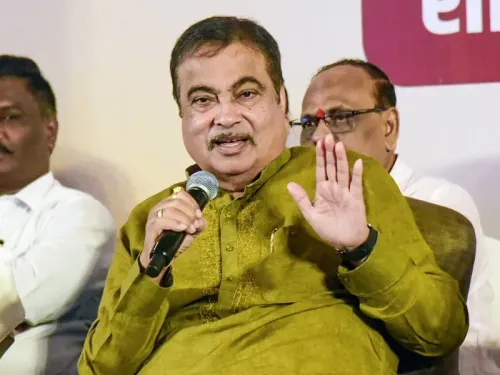
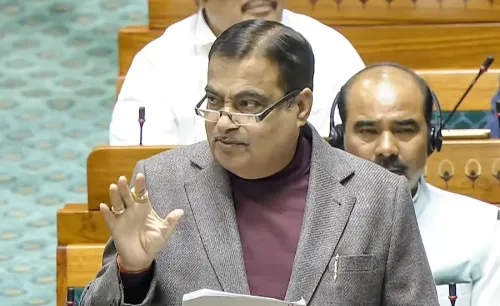
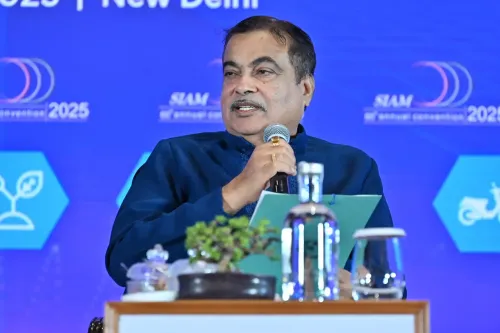
Gadkari blamed for ethanol row by Karnataka Minister M.B. Patil
Synopsis
Karnataka Minister M.B. Patil has directly named Union Minister Nitin Gadkari as the man responsible for India's escalating ethanol blending crisis, alleging that mass-scale production was pushed without matching procurement — leaving sugar factories in Karnataka and Maharashtra holding surplus stocks and consumers exposed to disputed fuel quality.
Key Takeaways
Karnataka Minister M.B.
Patil blamed Union Minister Nitin Gadkari for the ethanol controversy on 10 November 2026 .
The row centres on allegations that fuel samples in Karnataka exceeded the mandated 20 per cent ethanol blend, reportedly crossing 30 per cent — a claim disputed by central oil marketing companies.
Patil alleged the Centre promoted large-scale ethanol production without securing adequate procurement, leaving sugar factories in Karnataka and Maharashtra with excess stocks.
He demanded a comprehensive investigation and questioned why the Centre was doubting state test results already sent to central government laboratories .
On aviation, Patil said Karnataka invested ₹1,000 crore in Kalaburagi airport and transferred it to the Centre without receiving any financial return; 17 airports have become non-operational nationwide, he claimed.
Flight services at Kalaburagi airport resumed with 80 per cent funding from the KKRDB and 20 per cent from the state government.
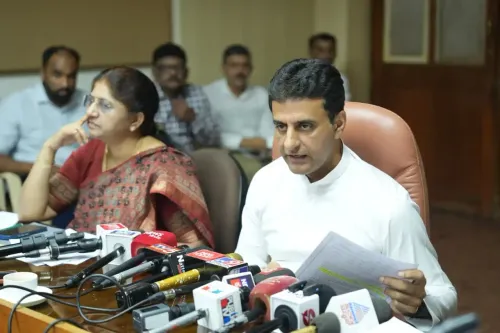
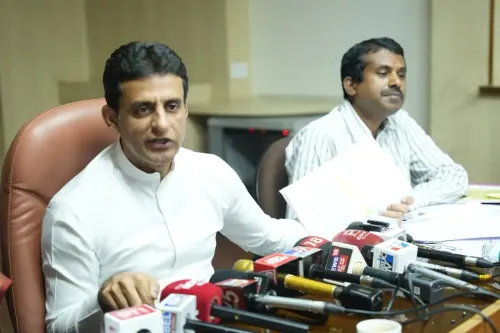
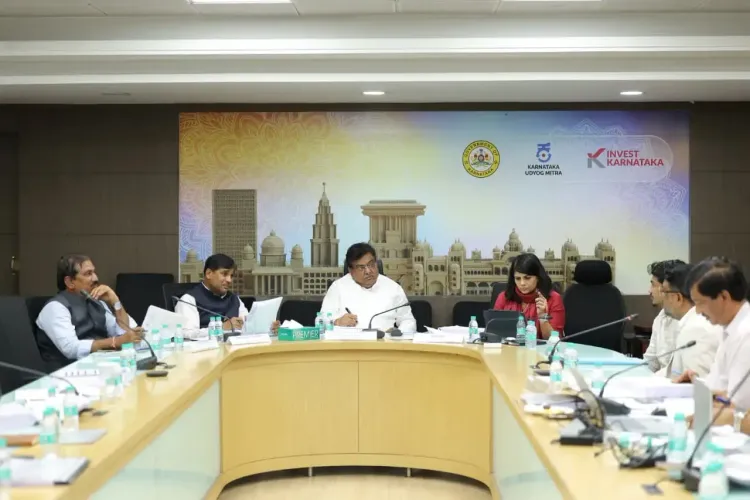
Karnataka Large and Medium Industries and Infrastructure Development Minister M.B. Patil on Tuesday, 10 November squarely blamed Union Road Transport and Highways Minister Nitin Gadkari for the ongoing ethanol controversy, alleging that the Centre promoted large-scale ethanol production without securing adequate procurement arrangements. Patil demanded a comprehensive investigation into the matter, escalating the political row between Karnataka and the Centre over the mandatory E20 petrol blending policy.
What the Ethanol Row Is About
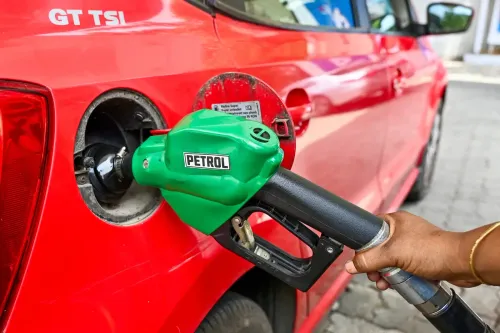
A major political and consumer controversy has erupted over India's mandatory 20 per cent ethanol-blending (E20) petrol policy, after the Karnataka government alleged that fuel samples collected in the state contained ethanol levels exceeding 30 per cent. Central oil marketing companies have strongly disputed this claim, and the standoff has since drawn in senior ministers from both sides.
Patil alleged that the Centre created the problem by pushing excessive ethanol blending in petrol, holding Gadkari primarily responsible. He also criticised Union Minister Pralhad Joshi for defending the Centre's policy stance.
Key Allegations Against the Centre
According to Patil, sugar factories across states are sitting on excessive ethanol stocks, with the crisis not confined to Karnataka alone. Maharashtra faces a similar situation, though Uttar Pradesh is relatively better placed, he said. Patil contended that the Centre encouraged ethanol production at scale but failed to ensure commensurate procurement, leaving factories with mounting surplus.
He also questioned why the Centre was casting doubt on the state's test results when petrol samples had already been sent to central government laboratories for examination. Patil suggested that industry insiders — including Bharatiya Janata Party (BJP) leaders Murugesh Nirani and Prabhakar Kore, who operate sugar factories — be consulted for ground-level clarity.
Notably, Patil alleged that Gadkari imposed the blending system abruptly nationwide, without first running a pilot in four or five districts to assess its advantages and disadvantages — a phased approach he argued could have pre-empted the current crisis.
Karnataka's Aviation Concerns Also Raised
Separately, Patil said the Karnataka government had prepared a comprehensive aviation policy covering financial assistance, viability gap funding (VGF), and efficient airport operations, which would be placed before the next Cabinet meeting. He expressed confidence it could serve as a national model.
On the suspension of flight services from Shivamogga airport, Patil attributed the disruption to shortcomings in the Centre's UDAN-2 scheme. He said the Centre had privatised Mangaluru airport by handing it to the Adani Group and was now moving to privatise Hubballi airport. Karnataka had invested ₹1,000 crore in Kalaburagi airport and transferred it to the Centre without receiving any financial return, he alleged.
Patil said the state had proposed extending the UDAN scheme from three to five years, followed by a further five years with costs split equally between the Centre and states — a proposal the Centre reportedly rejected. As a result, 17 airports across the country had become non-operational, he claimed. Flight services at Kalaburagi airport have since been revived, with 80 per cent of funding provided by the Kalyana Karnataka Region Development Board (KKRDB) and the remaining 20 per cent by the state government.
Patil also challenged Shivamogga MP B.Y. Raghavendra to arrange comparable funding for Shivamogga airport rather than blame the state government.
What Happens Next
With petrol samples under examination in central laboratories and the state demanding a formal inquiry, the ethanol blending dispute is set to intensify. The outcome of the lab tests and any response from Gadkari's ministry are likely to determine the next political and policy moves in what has become a multi-state flashpoint.
Point of View
Shifting the ethanol row from a technical dispute over fuel samples to a Centre-state blame game ahead of potential elections. The more substantive concern, however, is the structural one: if the Centre incentivised large-scale ethanol production without locking in procurement commitments, the sugar sector surplus in Karnataka and Maharashtra reflects a classic policy sequencing failure. The fact that BJP-linked sugar factory operators are being cited by a Congress minister as potential witnesses adds an unusual cross-party dimension. Without resolution of the lab test findings, the credibility gap between state and central data will deepen public distrust in both the E20 rollout and fuel quality oversight.
NationPress
10 Nov 2026
Frequently Asked Questions
What is the ethanol blending controversy in India?
The controversy centres on India's mandatory E20 policy, which requires petrol to contain 20 per cent ethanol. The Karnataka government has alleged that fuel samples in the state showed ethanol levels exceeding 30 per cent, a claim disputed by central oil marketing companies. The row has drawn in senior ministers and prompted calls for an independent investigation.
Why is Karnataka blaming Nitin Gadkari for the ethanol row?
Karnataka Minister M.B. Patil alleges that Union Minister Nitin Gadkari pushed ethanol blending nationwide without first running pilots or securing adequate procurement, leaving sugar factories with excess stocks and consumers with potentially over-blended fuel. Patil claims Gadkari imposed the system abruptly, bypassing a phased rollout that could have identified risks early.
Which states are affected by the ethanol surplus problem?
According to Patil, Karnataka and Maharashtra are both facing excessive ethanol stock situations at sugar factories. He noted that Uttar Pradesh is relatively better placed. The issue reflects a wider gap between Centre-promoted production targets and actual procurement commitments.
What is Karnataka's demand regarding the ethanol dispute?
Karnataka Minister M.B. Patil has demanded a comprehensive investigation into the ethanol controversy. He also questioned why the Centre is expressing doubt about the state's test findings when petrol samples have already been submitted to central government laboratories for examination.
What did Patil say about Karnataka's airports and the UDAN scheme?
Patil alleged that Karnataka invested ₹1,000 crore in Kalaburagi airport and handed it to the Centre without receiving any financial return, while Mangaluru airport was privatised to the Adani Group. He claimed the Centre's rejection of a proposed UDAN scheme extension has resulted in 17 airports becoming non-operational across the country.