Karnataka Government Takes Action to Prevent Rural Water Shortages This Summer
Synopsis
Karnataka's government is stepping up efforts to combat drinking water shortages in rural areas ahead of summer. Minister Priyank Kharge outlines proactive measures, including monitoring and repairing borewells, to ensure safe water access for communities.
Key Takeaways
Karnataka government initiates measures to combat rural drinking water shortages.
Monitoring and immediate action have been mandated for district administrations.
183 villages across 21 districts currently facing shortages.
Planned repairs and new drilling for borewells to enhance water availability.
Collaborative approach among local governance bodies to manage water supply effectively.
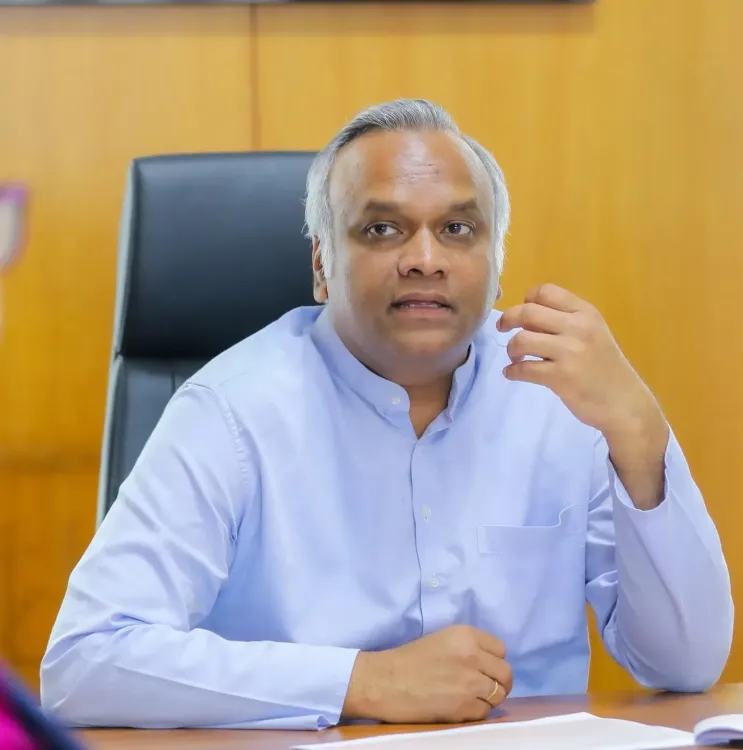
Bengaluru, March 10 (NationPress) Karnataka's Minister for Rural Development and Panchayati Raj, Priyank Kharge, announced on Tuesday that the state government is implementing proactive measures to prevent drinking water shortages in rural areas during the forthcoming summer season.
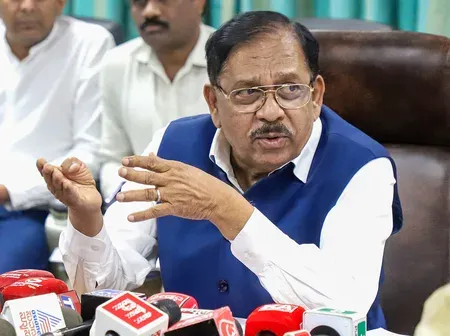
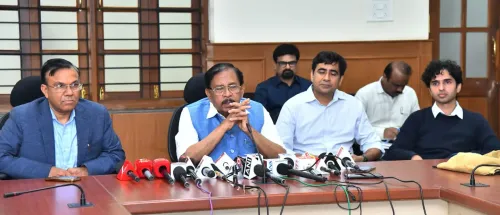
During a press briefing in Bengaluru, Minister Kharge emphasized that district administrations have been directed to diligently monitor water availability and take swift actions wherever shortages are reported.
Official statistics reveal that 183 villages across 144 taluks in 21 districts are already experiencing drinking water shortages, according to the Minister.
"Currently, 183 villages are facing water scarcity. Out of these, 31 villages receive water via 96 tankers, while 152 villages are supported by 154 rented private borewells. District administrations must prioritize resolving the situation," he stated.
He mentioned that approximately 1,053 borewells are slated for repair through flushing and deepening in March 2026, with new borewells to be drilled in emergency situations as needed.
The Minister added, "The state government is taking essential steps to guarantee that rural residents do not encounter drinking water shortages this summer. District administrations have been instructed to monitor the situation closely, including hiring private borewells and supplying water through tankers where necessary."
Efforts are also underway to enhance water availability by restoring dried borewells through flushing and deepening, while new borewells will be drilled based on geologists' technical recommendations when unavoidable.
"In conjunction with restoring dried borewells, gram panchayats have been tasked with conducting water quality testing and ensuring the proper cleaning of overhead tanks, so safe drinking water remains available to rural communities," he added.
The Minister highlighted that many regions in the state face dry conditions during summer, causing numerous rural water sources to run dry, which can lead to shortages.
"To tackle this issue, the state has established a daily monitoring mechanism and instructed officials to act promptly whenever shortages occur," Minister Kharge said.
As part of the measures to ensure safe drinking water availability, gram panchayats have been directed to collect samples from all drinking water sources, conduct water quality testing from at least three tap connections in each village, and clean all overhead tanks according to prescribed guidelines.
To guarantee an uninterrupted drinking water supply for the summer of 2026, the state government will allocate funds for emergency work from both the Central and State Drought Relief Funds, as well as resources from the department's Task Force funds," Minister Kharge affirmed.
He further instructed gram panchayats, taluk panchayats, and district administrations to collaborate effectively to manage and maintain drinking water supply across rural regions.
Point of View
The Karnataka government's proactive measures to ensure the availability of drinking water in rural areas reflect a responsible approach to governance. Addressing water scarcity is crucial for maintaining public health and ensuring equity in resource distribution, particularly during the challenging summer months.
NationPress
16 Oct 2026
Frequently Asked Questions
What measures is the Karnataka government taking to prevent water shortages?
The government is monitoring water availability, repairing borewells, and supplying water through tankers. They are also conducting water quality testing and cleaning overhead tanks.
How many villages are currently facing water shortages in Karnataka?
Currently, 183 villages across 144 taluks in 21 districts are experiencing drinking water shortages.
What is the plan for borewell repairs in Karnataka?
Around 1,053 borewells are expected to be repaired through flushing and deepening during March 2026, with new borewells drilled as necessary.
How will the Karnataka government fund emergency water works?
Funds for emergency works will be mobilized from the Central and State Drought Relief Funds as well as the department's Task Force funds.
How can gram panchayats help with water availability?
Gram panchayats are instructed to conduct water quality testing, collect samples from drinking water sources, and ensure the cleaning of overhead tanks.