Kaziranga sets record 4.58 lakh tourists in 2025-26 season, up 8.5%
Synopsis
Kaziranga National Park just posted its best-ever season — 4,58,618 visitors in 2025-26, up 8.5% — and Assam CM Himanta Biswa Sarma is directly crediting PM Modi's high-profile overnight stay as a catalyst. For a UNESCO World Heritage Site anchoring the state's entire eco-tourism economy, this record is both a conservation milestone and a political talking point.
Key Takeaways
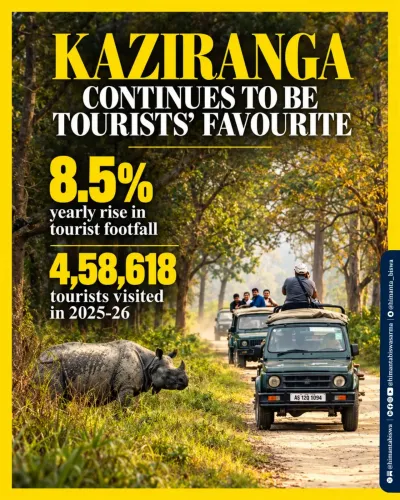
Kaziranga National Park recorded 4,58,618 visitors in the 2025-26 season — its highest-ever single-season footfall.
Tourist numbers rose 8.5% year-on-year, according to figures shared by Assam CM Himanta Biswa Sarma .
PM Narendra Modi's recent overnight stay at the park is cited as a factor in driving fresh public interest.
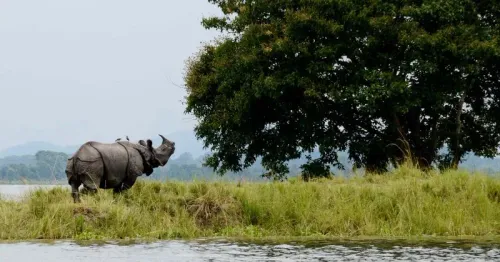
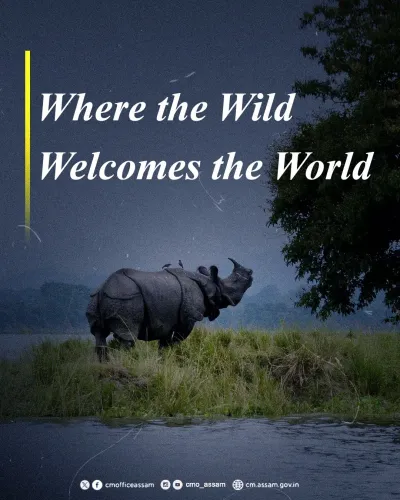
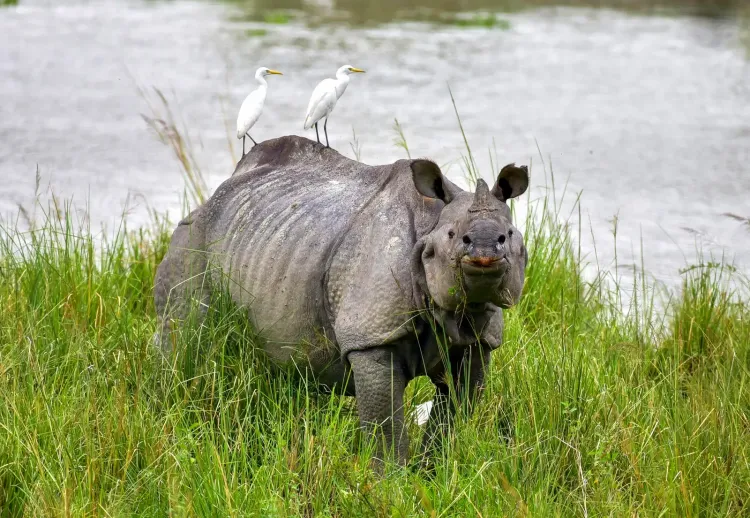
Kaziranga is a UNESCO World Heritage Site on the Brahmaputra floodplains, famed for the world's largest population of the one-horned rhinoceros .
The tourism surge benefits hotels, guides, safari operators and local communities dependent on the park's visitor economy.
The 2026-27 season is expected to open around November 2026 , with the state government building on the record momentum.
Kaziranga National Park recorded its highest-ever tourist footfall of 4,58,618 visitors during the 2025-26 season, marking an 8.5% rise over the previous year, Assam Chief Minister Himanta Biswa Sarma announced on Tuesday, 6 October 2026. The milestone cements the UNESCO World Heritage Site as one of India's fastest-growing wildlife tourism destinations.
Record Footfall by the Numbers
The 4,58,618 visitors logged in 2025-26 represent the highest single-season count in Kaziranga's recorded tourism history, according to figures shared by Chief Minister Sarma. The 8.5% year-on-year jump is particularly notable given that the park's numbers had already been climbing steadily over the preceding seasons. The data signals a sustained, not merely seasonal, upswing in traveller interest.
PM Modi Visit Cited as a Catalyst
Chief Minister Sarma specifically credited Prime Minister Narendra Modi's recent overnight stay at Kaziranga as a factor in amplifying public interest. 'Kaziranga's appeal keeps growing!' Sarma wrote in his social media post, linking the PM's highly publicised visit to the surge in visitor numbers. While the precise causal contribution of the visit is difficult to quantify, it generated significant national media attention that reportedly translated into fresh booking inquiries and walk-in traffic.
Why Kaziranga Draws the Crowds
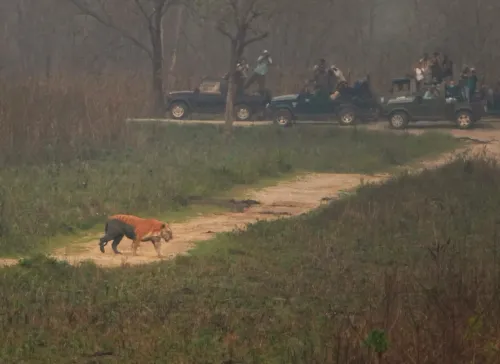
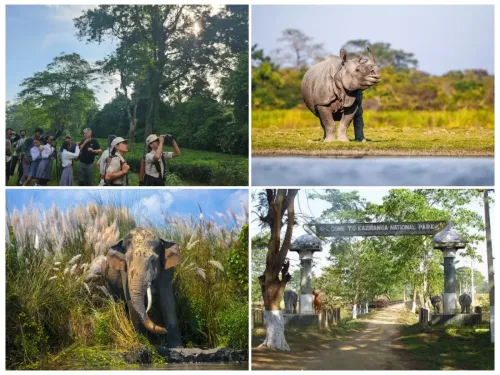
The park, straddling the Brahmaputra floodplains in Assam, is home to the world's largest population of the one-horned rhinoceros. It also shelters tigers, elephants, wild buffaloes and hundreds of bird species, making it a rare multi-species spectacle. Recognised as a UNESCO World Heritage Site, Kaziranga routinely ranks among India's top five wildlife reserves for international visitor interest. This is not an isolated record — footfall has broadly trended upward since the park expanded its safari zones and improved road connectivity in recent years.
Impact on Local Economy and Eco-Tourism Push
The record numbers carry direct economic weight for communities surrounding the park. Hotels, homestays, transport operators, guides, safari services and handicraft sellers across the Kaziranga belt are among the primary beneficiaries. The Assam government has in recent years systematically promoted the state's national parks, wildlife sanctuaries, cultural sites and natural landscapes as pillars of a broader eco-tourism economy. Kaziranga remains the centrepiece of that strategy, acting as an anchor that draws visitors who also explore other parts of Assam.
What Comes Next
With the 2026-27 tourist season approaching — the park typically opens to visitors between November and April after the monsoon — the state administration is expected to build on this momentum with additional infrastructure and conservation investments. Sustaining the growth without overwhelming the park's ecological carrying capacity will be the key challenge as Kaziranga's popularity continues to rise.
Point of View
But the more interesting story is how a single high-profile visit — PM Modi's overnight stay — has become a tourism marketing instrument at scale. Assam's government has been deliberate about leveraging such moments, and Kaziranga's rising numbers are partly a product of that strategic narrative-building. The harder question is whether the park's infrastructure and conservation framework can absorb sustained growth without degrading the very wildlife experience that drives demand. Carrying-capacity planning, not just visitor counts, should be the metric Assam now foregrounds.
NationPress
6 Oct 2026
Frequently Asked Questions
How many tourists visited Kaziranga National Park in the 2025-26 season?
Kaziranga National Park recorded 4,58,618 visitors during the 2025-26 tourist season , its highest-ever single-season footfall. This represents an 8.5% increase over the previous year, according to figures shared by Assam Chief Minister Himanta Biswa Sarma.
Why did Kaziranga tourist footfall increase so sharply in 2025-26?
Assam CM Sarma attributed the surge to the park's extraordinary wildlife experience and its growing appeal among domestic and international travellers. He also specifically cited PM Narendra Modi's overnight stay at Kaziranga as a catalyst that amplified national interest in the park.
What is Kaziranga National Park known for?
Kaziranga, located on the Brahmaputra floodplains in Assam, is a UNESCO World Heritage Site best known for hosting the world's largest population of the one-horned rhinoceros . It also shelters tigers, elephants, wild buffaloes and hundreds of bird species.
How does the tourism boom affect local communities near Kaziranga?
The record footfall benefits hotels, homestays, safari operators, transport providers, guides and handicraft sellers in the region. As the centrepiece of Assam's eco-tourism strategy, Kaziranga's growth has a multiplier effect on the broader local economy surrounding the park.
When does the Kaziranga tourist season typically begin and end?
Kaziranga generally opens to tourists around November , after the monsoon season subsides, and remains open until approximately April . The 2026-27 season is expected to follow the same calendar, with the state government anticipated to invest further in park infrastructure ahead of the opening.