Kejriwal backs children demanding quality education
Synopsis
On Independence Day eve 2026, AAP convenor Arvind Kejriwal highlighted children taking to streets across India demanding quality education, expressing pride in them and implicitly indicting decades of government failure on school quality.
Key Takeaways
Kejriwal posted on 14 August 2026 , the eve of India's 79th Independence Day , highlighting child-led street protests demanding quality education.
He stated that even after decades of Independence, governments have failed to deliver quality schooling.
The Right to Education Act, 2009 guarantees free schooling for ages 6-14 but implementation gaps persist across states.
AAP has governed Delhi since 2015 and positioned its school-upgrade drive as a national model.
The post doubles as political messaging ahead of assembly sessions where education budgets are under scrutiny.
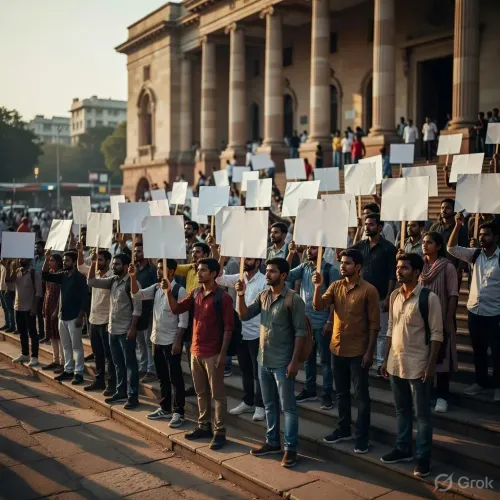
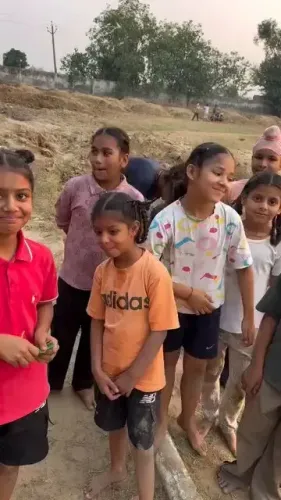
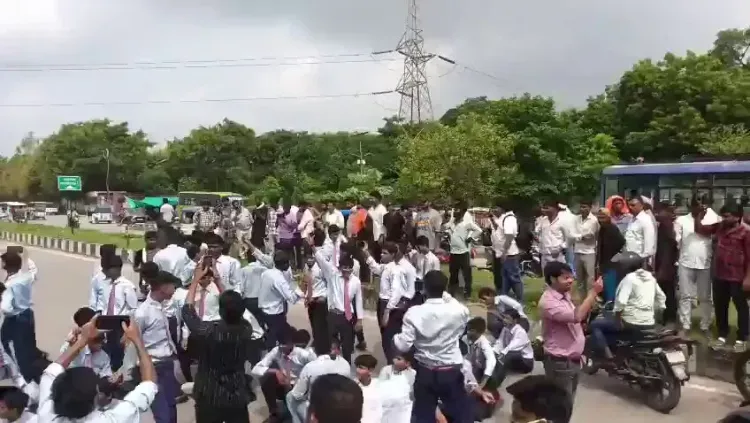
Seventy-nine years after Independence, it is children — not politicians — who are taking to the streets demanding what the Constitution long promised them: a decent education. AAP convenor Arvind Kejriwal on Friday, 14 August 2026, pointed to these young protesters and said, simply, that he is proud of them.
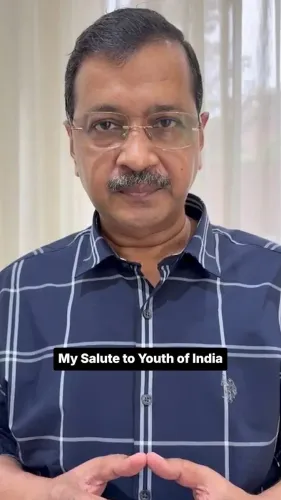
Posting in Hindi on the eve of Independence Day, Kejriwal wrote: 'देश भर में जगह जगह छोटे छोटे बच्चे सड़क पे उतर रहे हैं' — 'Across the country, small children are stepping onto the streets. What are they asking for? Give us a good education. Even after so many years of freedom, governments have not been able to provide quality education. I am proud of our children.'
Seven decades of policy, and children still marching
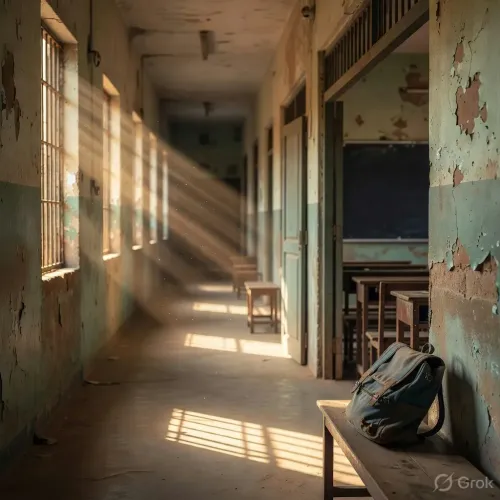
The Right to Education Act, 2009 made free and compulsory schooling a legal guarantee for every child between 6 and 14 years. What it could not legislate was quality. Infrastructure gaps, teacher accountability deficits, and uneven state-level implementation have left millions of children in government schools with access to a building — but not always to learning.
That gap is what Kejriwal's post zeroes in on. The timing — Independence Day eve — sharpens the irony deliberately: the freedoms celebrated tomorrow have not yet reached every classroom.
AAP's education record as political counterpoint
Aam Aadmi Party has governed Delhi since 2015 and has consistently placed its government-school renovation drive at the centre of its political identity. The party increased Delhi's education budget share, built new classrooms, and introduced teacher-accountability measures — holding up the capital's reported gains in enrolment and facilities as a model that other states, particularly BJP-ruled ones, have failed to replicate.
Kejriwal's expression of pride in protesting children is therefore not purely sentimental. It lands as a political argument: that where governments have failed, citizens — even young ones — are stepping up to demand accountability.
Whether these demonstrations translate into legislative pressure in upcoming state assembly sessions will be the real test of whether this moment moves beyond symbolism.
Point of View
He amplifies the contrast between national self-congratulation and ground-level failure. AAP has long staked its identity on Delhi's school reforms, and this post reinforces that positioning while leaving Kejriwal above the fray of direct attack. The open question is whether child-led education protests, if they grow, become a genuine pressure point in state legislatures or remain a social-media moment.
NationPress
14 Aug 2026
Frequently Asked Questions
Why are children protesting for education in India?
Children and young students have been demonstrating in various parts of India demanding better quality government schooling, highlighting the gap between the legal right to education and actual learning outcomes in public schools.
What did Kejriwal say about the education protests?
Kejriwal said he is proud of the children stepping onto the streets to demand quality education, and criticised governments for failing to deliver it even after nearly eight decades of Independence.
What is the Right to Education Act?
The Right to Education Act, 2009 makes free and compulsory schooling a legal right for all children aged 6 to 14 in India, but critics say implementation remains uneven across states.
What has AAP done for education in Delhi?
Since coming to power in Delhi in 2015, AAP increased the education budget share, built new classrooms, and introduced teacher-accountability measures, citing improved enrolment and infrastructure as evidence of its model.
Why did Kejriwal post about education on Independence Day eve?
Posting on 14 August sharpens the political contrast: as India prepares to celebrate Independence Day, Kejriwal used the timing to underscore that the promise of quality education for every child remains unfulfilled.