Kejriwal backs Jharkhand student protesters, urges govt action
Synopsis
AAP convenor Arvind Kejriwal has publicly backed students protesting in Jharkhand, appealing to the state government to immediately address their demands and condemning any violence against demonstrators.
Key Takeaways
Arvind Kejriwal voiced support for protesting students in Jharkhand on August 11, 2026 .
He appealed to the Jharkhand government to resolve the students' issues 'immediately'.
Kejriwal explicitly called violence against students 'simply unacceptable'.
Jharkhand has a documented history of student agitations over recruitment delays, exam issues, and campus grievances.
No official response from the Jharkhand administration has been issued as of the time of posting.
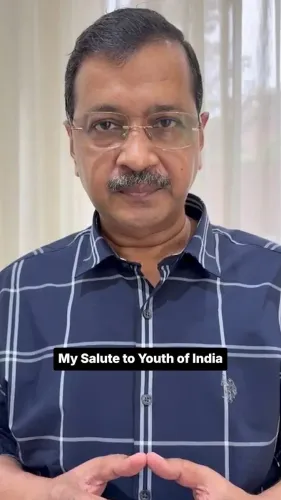
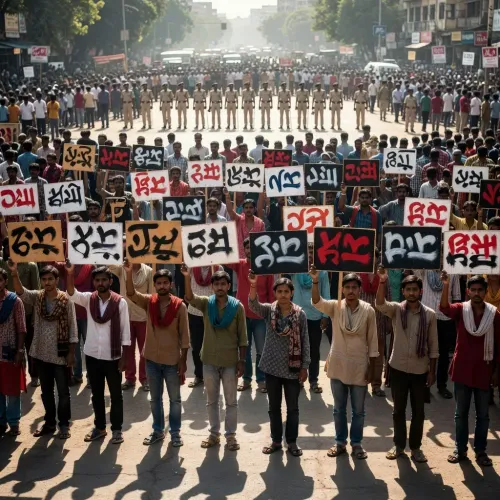
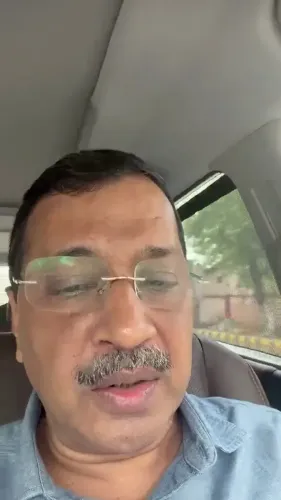
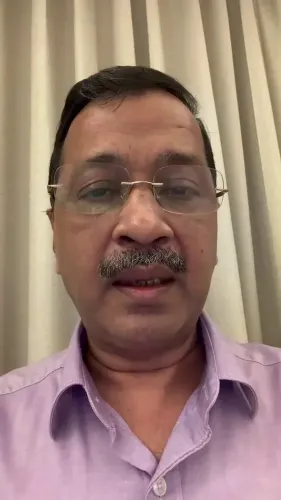
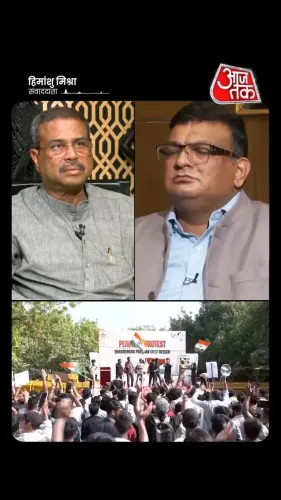
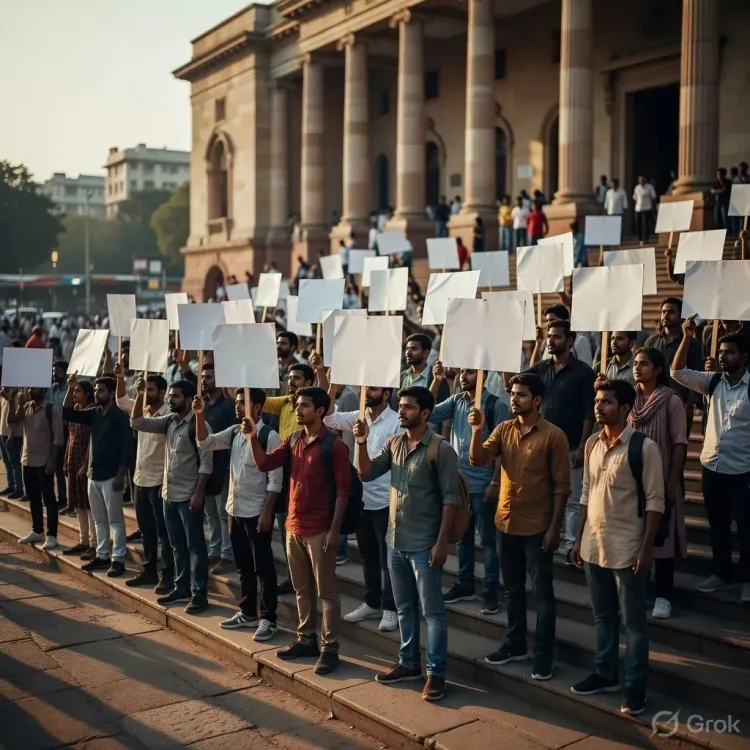
Students taking to the streets in Jharkhand now have a national voice behind them. AAP convenor Arvind Kejriwal on Tuesday, August 11, 2026, publicly backed the protesting students and called on the state government to act — warning that violence against demonstrators crosses a line that cannot be ignored.
Posting on X, Kejriwal wrote: 'I support the demands of the protesting students in Jharkhand and appeal to the govt to resolve their issues immediately. Violence against students is simply unacceptable.' The statement is brief but pointed — lending the weight of a former Chief Minister and national party chief to a ground-level agitation.
Why Jharkhand's student unrest keeps resurfacing
Jharkhand has a long record of student agitations, most often centred on examination irregularities, delays in government recruitment, and campus-level grievances. The eastern state's youth population has repeatedly mobilised when pathways to employment or education feel blocked. That pattern gives Kejriwal's intervention a familiar political texture — but it also reflects a real, recurring frustration among students in the state.
Opposition leaders across India have a well-established practice of amplifying student protests in states governed by rival parties. Kejriwal's statement fits that pattern, yet the explicit condemnation of violence elevates it beyond a routine solidarity post — it frames the Jharkhand government's handling of the protests as the central issue.
Pressure mounts on Jharkhand administration
With AAP's national convenor now on record, the Jharkhand government faces a choice: respond publicly to the students' demands, or allow the silence itself to become the story. Any further incidents involving force against protesters will now carry added political cost. Whether other opposition parties follow Kejriwal's lead — and whether the state administration offers any formal reply — will determine how far this moment travels.
For now, the students in Jharkhand have a louder megaphone. The question is whether the government is listening.
Point of View
Which has cultivated an identity around education and youth welfare since its Delhi governance years, aligning with agitating students carries ideological consistency beyond pure opportunism. The move also tests whether AAP can build political capital in eastern India, where the party has minimal electoral presence. If the Jharkhand government fails to respond visibly, the narrative of administrative indifference to youth concerns will only deepen.
NationPress
11 Aug 2026
Frequently Asked Questions
Why is Kejriwal supporting Jharkhand student protesters?
Kejriwal stated he supports the students' demands and believes violence against protesters is unacceptable, calling on the Jharkhand government to resolve their issues immediately.
What are Jharkhand students protesting about?
The specific demands of the current protest are not yet officially confirmed, but Jharkhand has historically seen student agitations over government recruitment delays, examination irregularities, and campus grievances.
Has the Jharkhand government responded to Kejriwal's appeal?
As of August 11, 2026, no official response from the Jharkhand administration has been reported following Kejriwal's statement.
What is AAP's connection to Jharkhand?
AAP has limited electoral presence in Jharkhand but, as a national party, its convenor Arvind Kejriwal regularly comments on governance issues across states, particularly those involving youth and education.
Is it common for opposition leaders to back student protests in other states?
Yes, Indian opposition leaders routinely issue solidarity statements during student protests in states governed by rival parties, using such moments to highlight law-and-order concerns and governance failures.