Kejriwal Bets Goa Vote Can Kill E20 Fuel Policy
Synopsis
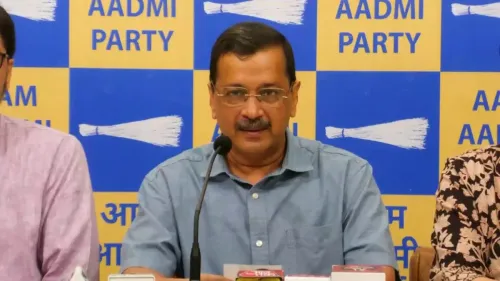
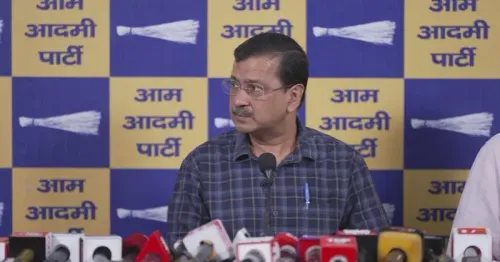
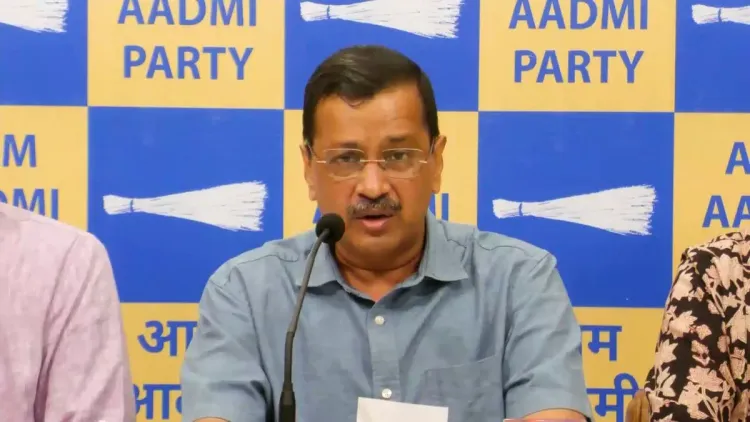
AAP convenor Arvind Kejriwal has guaranteed that the central government will withdraw its E20 ethanol-blending policy within five days of the Goa election result — if voters defeat the BJP. The pledge directly links a national fuel programme to the outcome of a single state poll.
Key Takeaways
AAP convenor Arvind Kejriwal posted the guarantee on 7 August 2026 , tying E20's fate to the Goa assembly election .
He claims the central government will roll back E20 — 20% ethanol-blended petrol — within five days of a BJP defeat in Goa.
E20 stems from the National Policy on Biofuels, 2018 , promoted by the BJP-led government to cut oil imports and support farmers.
Critics of E20 cite engine compatibility issues for older vehicles and uneven pump availability across India.
The move is a classic opposition play: nationalise a local election by anchoring it to a widely-felt consumer grievance.
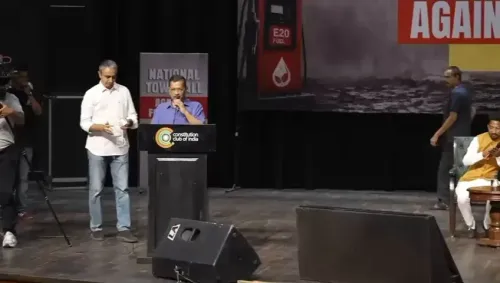
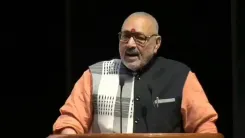
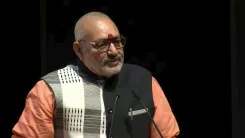
A guarantee, not a suggestion — AAP national convenor Arvind Kejriwal told voters on Friday, 7 August 2026 that defeating the BJP in the Goa assembly election is the single lever that will force the central government to roll back its E20 ethanol-blending programme. Within five days of the result, he said — the policy goes.
The E20 Policy Kejriwal Wants Gone
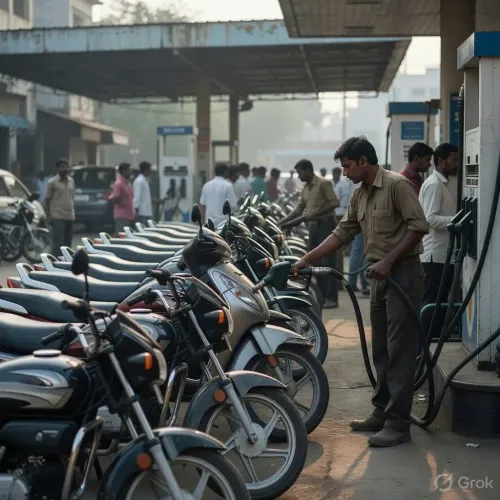
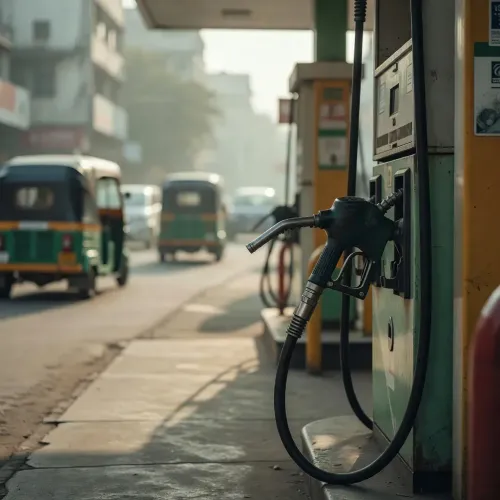
E20 — 20% ethanol-blended petrol — is a flagship central government initiative rooted in the National Policy on Biofuels, 2018. The BJP-led government has championed it on two fronts: cutting India's massive crude oil import bill and boosting incomes for sugarcane and maize farmers whose produce feeds the ethanol supply chain. Timelines were later accelerated, with the Ethanol Blended Petrol programme pushing for nationwide E20 availability.
Critics, however, have flagged real-world friction: older petrol engines were not designed for high ethanol concentrations, raising compatibility concerns for millions of vehicle owners. Pricing and availability at pumps have also drawn scrutiny. Kejriwal has now planted himself squarely in that criticism — and tied the policy's fate to a single state ballot.
One State, One Promise, One Countdown
The logic Kejriwal is deploying is classic opposition triangulation: frame a national policy pain point, name the party responsible, and hand voters a local election as the remedy. 'Come together to defeat the BJP in the Goa election and break their overconfidence,' he said, promising the rollback would follow 'within five days of the election result.'
It is a high-stakes pledge. If the BJP loses Goa and the E20 programme continues unchanged, Kejriwal owns that broken guarantee. If the government does modify the policy post-election — for any reason — he will claim the credit. That is precisely the political bet he is making.
The pattern is not new. Indian opposition leaders have long used state elections to contest central energy and fuel decisions — from fuel price hikes to cooking gas subsidies — arguing that a local mandate sends a national message. What is sharper here is the specificity: a named policy, a named timeline, a named number of days.
Whether Goa's voters treat this as a compelling reason to switch allegiance — or as an overreach that ties their local vote to a national fuel debate — is the question that will define how this gambit lands.
Point of View
Dramatic enough to be memorable. By naming a five-day countdown, he converts an abstract national policy debate into a concrete local stakes proposition for Goa voters. The move also reveals AAP's broader electoral strategy: use consumer-facing policy grievances, particularly on fuel and cost-of-living, to erode the BJP's narrative advantage on energy security and farmer welfare. The risk is symmetrical — a BJP win in Goa, or a government that keeps E20 regardless of the result, hands opponents a ready-made accountability clip.
NationPress
7 Aug 2026
Frequently Asked Questions
What is E20 petrol and why is it controversial?
E20 is petrol blended with 20% ethanol, mandated under India's National Policy on Biofuels, 2018. It aims to reduce crude oil imports and boost farmer incomes, but critics say older engines were not built for high ethanol blends, raising compatibility and performance concerns.
What did Kejriwal promise about E20 and the Goa election?
Kejriwal guaranteed that if the BJP is defeated in the Goa assembly election, the central government will withdraw the E20 policy within five days of the election result being declared.
Why is Kejriwal linking a Goa election to a national fuel policy?
It is a common opposition tactic in India to frame central government policies as electoral issues in state polls. By doing so, Kejriwal positions the Goa vote as a referendum on a policy that affects vehicle owners across the country.
Who benefits and who is hurt by the E20 ethanol blending programme?
Sugarcane and maize farmers benefit from increased demand for their produce as ethanol feedstock. Oil marketing companies reduce import dependency. However, owners of older petrol vehicles face potential engine wear and compatibility issues, and consumers may see pricing changes at the pump.
Can one state election actually force a national policy rollback?
Constitutionally, no single state election result compels the central government to change a national policy. However, a BJP loss in Goa could signal political pressure that influences the government's posture on E20 — Kejriwal's claim that rollback is guaranteed within five days is his own political prediction, not a legal or institutional mechanism.