Kejriwal demands Modi govt stop buying US ethanol under Trump pressure

Synopsis
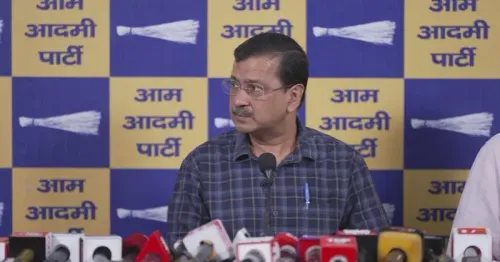
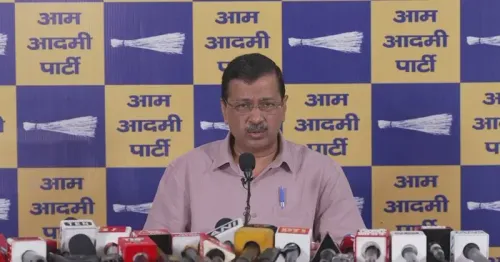
AAP convenor Arvind Kejriwal on 4 August 2026 held a live press conference alleging the Modi government is buying American ethanol under Trump's pressure, demanding it stop — a charge that strikes at India's domestic ethanol blending programme and farmer livelihoods.
Key Takeaways
Arvind Kejriwal on 4 August 2026 called a live press conference alleging the Modi government is importing ethanol from the United States under pressure from Donald Trump .
He demanded the practice be stopped immediately, framing it as an imposition on the country.
India runs a domestic ethanol blending programme intended to support sugarcane and grain farmers and reduce fuel import costs.
The allegation places the imports in the context of ongoing US-India trade negotiations under the Trump administration.
The press conference format signals AAP intends to press for an official government response, not merely score a social-media point.
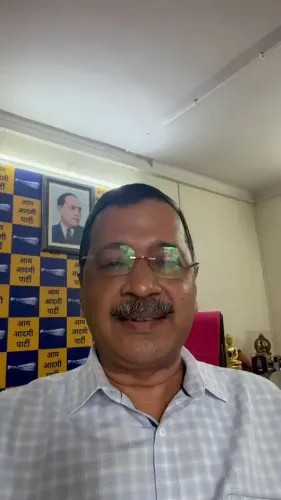
Under pressure from Donald Trump, is India quietly agreeing to import American ethanol at the cost of its own farmers and consumers? AAP convenor Arvind Kejriwal says yes — and on Tuesday, 4 August 2026, he called a live press conference to demand the Modi government halt the practice immediately.
In a sharp Hindi-language post on X, Kejriwal wrote: 'ट्रंप के दबाव में अमेरिका से ethanol खरीदकर देश पर थोपना बंद करे मोदी सरकार' — 'The Modi government must stop buying ethanol from America under Trump's pressure and imposing it on the country.' The post linked to a live broadcast of the press conference, signalling this was more than a social-media salvo.
The ethanol import charge
The allegation cuts at a sensitive intersection of trade diplomacy and domestic agriculture. India has run an ambitious domestic ethanol blending programme — pushing fuel companies to blend sugarcane- and grain-derived ethanol into petrol — designed to cut import bills, support farmers, and reduce emissions. Importing American ethanol, critics argue, would undercut Indian sugarcane growers and grain farmers who have built supply chains around that programme.
Kejriwal's framing places the alleged imports squarely in the context of US-India trade negotiations, suggesting the Modi government is making concessions to Washington to ease broader tariff tensions with the Trump administration. Whether a formal agreement or a quiet purchase order is at the root of the charge was to be detailed in the press conference itself.
Why this lands in the political arena now
The timing is pointed. US-India trade talks have been under pressure, with Trump repeatedly flagging India's tariff walls. Any perception that New Delhi is yielding on agricultural imports — a sector politically explosive given India's farmer constituency — is ammunition the opposition will use without hesitation.
For AAP, the press conference format elevates the charge beyond a tweet: it invites scrutiny, demands a government response, and positions Kejriwal as a watchdog on trade sovereignty at a moment when his party is rebuilding its national profile.
If the government does not respond with specifics, the allegation will harden into a narrative — that India's ethanol self-reliance story is being quietly traded away in a deal room in Washington.
Point of View
AAP is attempting to occupy ground that the opposition has struggled to hold credibly on economic issues. The Modi government's silence or response in the coming hours will determine whether this stays a political allegation or becomes a live controversy demanding parliamentary scrutiny.
NationPress
4 Aug 2026
Frequently Asked Questions
What is Kejriwal's allegation about US ethanol imports?
Kejriwal alleges the Modi government is buying ethanol from the United States under pressure from Donald Trump and imposing it on the country, undermining India's domestic ethanol programme.
What is India's ethanol blending programme?
India's ethanol blending programme mandates that fuel companies mix domestically produced ethanol — from sugarcane and grains — into petrol, aiming to cut oil import bills, support farmers, and reduce carbon emissions.
Why would importing US ethanol be controversial?
It would undercut Indian sugarcane growers and grain farmers who supply the domestic blending programme, and would be seen as a concession to US trade pressure at the expense of rural livelihoods.
What did Kejriwal say on 4 August 2026?
He posted on X in Hindi demanding the Modi government stop buying American ethanol under Trump's pressure and held a live press conference to detail the charge.
Has the Modi government responded to the ethanol import allegation?
As of the press conference on 4 August 2026, no official government response to Kejriwal's specific allegation had been issued.