Kejriwal Demands Sack of Education Minister Over CBSE Lapse
Synopsis
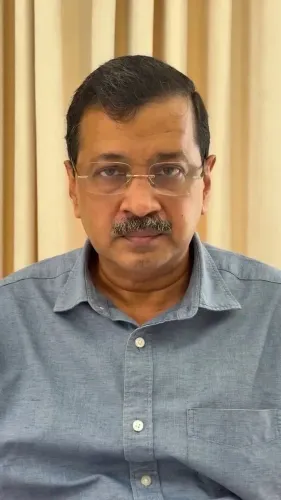
AAP convenor Arvind Kejriwal on 25 May 2026 demanded PM Modi immediately dismiss the Union Education Minister, citing large-scale CBSE evaluation irregularities that he says have darkened the futures of lakhs of students — linking the episode to the earlier NEET controversy.
Key Takeaways
AAP convenor Arvind Kejriwal posted on 25 May 2026 demanding the immediate dismissal of the Union Education Minister.
He cited large-scale irregularities in CBSE evaluation as having pushed the futures of lakhs of students into uncertainty.
Kejriwal linked the CBSE episode to the NEET-UG 2024 controversy, calling it a pattern of examination governance failure.
The demand was addressed directly to Prime Minister Narendra Modi by name.
Opposition parties including AAP have consistently used examination controversies to press for ministerial accountability under the current central government.
The Ministry of Education is yet to formally respond; the issue may be raised in the upcoming monsoon session of Parliament.
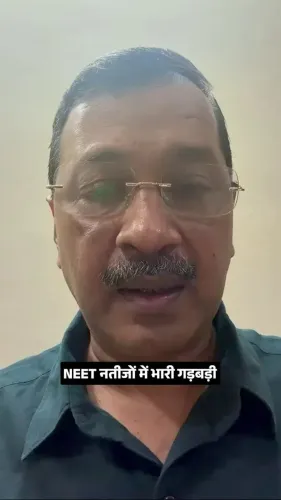
AAP convenor Arvind Kejriwal on Monday, 25 May 2026 demanded the immediate dismissal of the Union Education Minister, citing large-scale irregularities in CBSE evaluation that he said have plunged the futures of lakhs of students into uncertainty.
Context
Kejriwal posted in Hindi: 'CBSE evaluation mein itne bade star par hui gadbadi ne lakhon bachon ka bhavishya andhkar mein daal diya hai' — 'Irregularities at such a massive scale in CBSE evaluation have pushed the futures of lakhs of children into darkness.' He then linked the episode to the earlier NEET controversy, writing 'Pehle NEET aur ab CBSE' ('First NEET and now CBSE'), before directing his demand squarely at Prime Minister Narendra Modi to sack the Education Minister without delay.
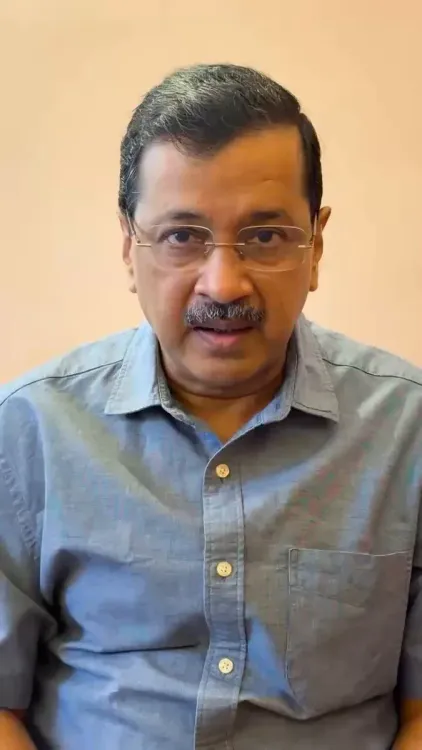
The post, which included a video, was addressed to the Prime Minister personally, reflecting the opposition's strategy of holding the central government's top leadership accountable for examination governance failures.
Policy Backdrop
The NEET-UG 2024 controversy had already shaken confidence in national examination administration, with widespread allegations of paper leaks and grace-mark irregularities triggering protests, court petitions, and calls for a central investigation. That episode drew sustained parliamentary and public scrutiny of the Union Education Ministry's oversight of high-stakes entrance tests.
CBSE, which conducts Class 10 and Class 12 board examinations for millions of students across India, has previously faced evaluation disputes — including result revisions and grace-mark decisions between 2020 and 2023 — that prompted student representations and policy reviews. Opposition parties, including AAP, have consistently framed such lapses as evidence of systemic failure under the current central administration.
Stakeholders and Impact
The immediate stakeholders are the lakhs of Class 10 and Class 12 students whose board results, college admissions, and scholarship eligibility are directly tied to CBSE evaluation outcomes. Parents and school administrators are equally affected, as evaluation errors can trigger re-checking processes that delay university enrolment cycles.
Kejriwal, who built a significant part of his political identity on education reforms in Delhi government schools during his tenure as Chief Minister, has consistently positioned AAP as the party most attuned to student welfare at the national level. His demand for ministerial accountability is aimed at a constituency of parents and students who are already sensitised by the NEET controversy.
What's Next
The Ministry of Education is yet to issue a formal response to the specific evaluation concerns Kejriwal raised. Any official inquiry or clarification on CBSE evaluation procedures will be closely watched, as will potential parliamentary questions when the monsoon session of Parliament convenes. Civil society groups and student organisations may also file representations or approach courts if the irregularities are substantiated. The episode is likely to intensify opposition pressure on the central government ahead of the session.
Point of View
Bypassing the minister in question and framing the issue as a failure of central governance rather than a bureaucratic lapse. By invoking NEET in the same breath as the CBSE episode, he is building a cumulative narrative of systemic examination mismanagement under the current Union government — a narrative that resonates with a large urban middle-class voter base that is deeply invested in board and entrance-exam outcomes. The demand for immediate dismissal, rather than an inquiry, signals that AAP is more interested in political pressure than procedural resolution at this stage. Whether the Ministry responds substantively will determine how far this controversy travels into the parliamentary arena.
NationPress
20 Sept 2026
Frequently Asked Questions
What did Arvind Kejriwal say about CBSE evaluation in May 2026?
Kejriwal said large-scale irregularities in CBSE evaluation have pushed the futures of lakhs of students into darkness, and demanded that PM Modi immediately sack the Union Education Minister.
Why is Kejriwal linking CBSE to NEET?
Kejriwal linked both controversies to argue a pattern of examination governance failure under the current central government, noting 'First NEET and now CBSE' in his post.
What is the NEET controversy Kejriwal referred to?
The NEET-UG 2024 controversy involved widespread allegations of paper leaks and grace-mark irregularities in the national medical entrance test, which prompted protests and court petitions across India.
What action did Kejriwal demand from PM Modi over CBSE?
Kejriwal demanded that Prime Minister Narendra Modi immediately dismiss the Union Education Minister in response to the CBSE evaluation irregularities.
How could CBSE evaluation errors affect students?
Evaluation errors in CBSE Class 10 and 12 results can delay college admissions, affect scholarship eligibility, and require re-checking processes that disrupt university enrolment cycles for lakhs of students.