Kejriwal flags SSC GD exam chaos, cites NEET and CBSE failures

Synopsis
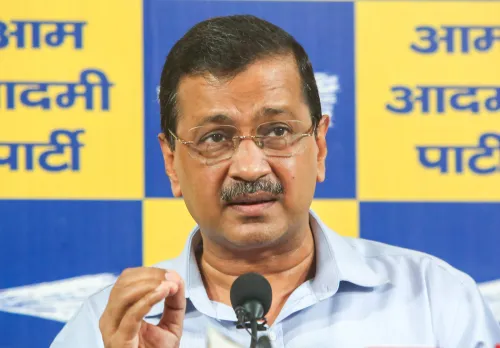
AAP convenor Arvind Kejriwal on 26 May 2026 criticised the central government after reports of server outages and overcrowding emerged from SSC GD examination centres, calling it part of a pattern that has already affected NEET and CBSE Class 12 exams.
Key Takeaways
Arvind Kejriwal flagged fresh irregularities in the SSC GD examination on 26 May 2026 , citing server failures and overcrowded venues.
He linked the complaints to earlier failures in NEET and CBSE Class 12 examinations, framing them as a systemic pattern.
The Staff Selection Commission has faced similar complaints — server crashes, overcrowding, paper discrepancies — in multiple recruitment cycles between 2021 and 2023 .
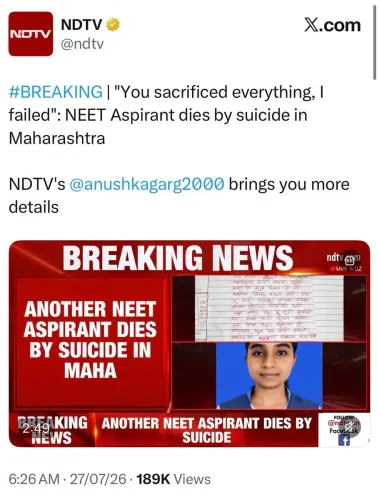
NEET-UG 2024 irregularities had already triggered a Supreme Court review and nationwide student protests.
SSC GD attracts millions of aspirants, many from economically weaker sections, making logistical failures especially consequential.
Opposition pressure is expected to intensify ahead of the parliamentary monsoon session , with exam reform likely to be raised on the floor of the House.
AAP convenor Arvind Kejriwal on Tuesday, 26 May 2026 sharply criticised the central government over reported irregularities in the SSC GD (Staff Selection Commission General Duty) examination, linking the fresh complaints to a pattern of failures that has already marred the NEET medical entrance test and CBSE Class 12 board examinations this year.
Context
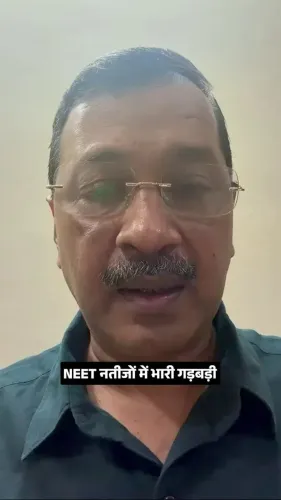
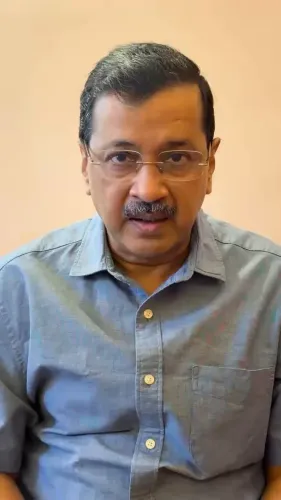
Posting on X, Kejriwal wrote: 'NEET, CBSE Class 12th ke baad ab SSC GD mein bhi kayi jagahon se gadbadiyon ki khabar aa rahi hai' — 'After NEET and CBSE Class 12, reports of irregularities are now emerging from multiple locations in the SSC GD examination as well.' He cited two specific complaints: server outages at examination centres and venues that had summoned more candidates than their seating capacity allowed. Concluding with a pointed rhetorical question, he asked: 'What kind of government is this, that cannot conduct even a single paper properly?'
The post, which included a video, was published at 6:36 PM IST and quickly drew attention from aspirants and political observers alike.
Policy Backdrop
The Staff Selection Commission is the central government body responsible for recruiting personnel to paramilitary forces and various government departments through examinations such as SSC GD. The commission has faced scrutiny in multiple cycles between 2021 and 2023, when server crashes, venue overcrowding and question-paper discrepancies triggered candidate protests and demands for re-examination.
The NEET-UG 2024 controversy — which involved allegations of paper leaks, grace-mark irregularities and a subsequent Supreme Court review — placed the broader national examination infrastructure under intense public and judicial scrutiny. CBSE board examinations have similarly drawn complaints over logistics and paper handling in recent cycles. Kejriwal's post frames the SSC GD complaints as the latest episode in this recurring pattern.
Stakeholders and Impact
The SSC GD examination is among the most competitive government recruitment tests in India, attracting millions of aspirants from across the country, many from economically weaker sections for whom a paramilitary posting represents significant upward mobility. Server failures and overcrowded centres directly translate into lost examination slots, travel costs and psychological stress for candidates who have often prepared for years.
Opposition parties including AAP have consistently used examination irregularities as a political flashpoint against the central government, arguing that systemic failures in the National Testing Agency (NTA) and SSC ecosystem reflect a deeper administrative neglect of youth employment aspirations. Student groups and exam-aspirant communities on social media have amplified such complaints, increasing pressure on the government to respond publicly.
What's Next
Attention will now turn to whether the Staff Selection Commission issues an official statement addressing the server and overcrowding complaints, and whether any affected candidates are offered re-examination slots or compensation. Parliamentary questions on examination reform are expected to feature in the upcoming monsoon session, with opposition members likely to raise Kejriwal's specific allegations on the floor of the House.
A broader reform of India's high-stakes national testing infrastructure — covering both the NTA and SSC — remains an open policy question. The accumulation of failures across NEET, CBSE and now SSC GD strengthens the case for an independent, technology-audited examination authority, a demand that civil society groups and opposition leaders have repeatedly placed before the government.
Point of View
CBSE Class 12 and now SSC GD — into a single indictment of the central government's administrative competence. By invoking the aspirations of government-job candidates, a demographic that cuts across caste and class lines, AAP is widening its electoral appeal beyond its traditional urban base. The recurring nature of these failures suggests that the problem is structural — inadequate server infrastructure, poor venue planning and weak oversight — rather than incidental, giving the opposition durable political ammunition. Whether the government responds with a credible reform roadmap or dismisses the complaints will shape the narrative heading into the monsoon session of Parliament.
NationPress
10 Oct 2026
Frequently Asked Questions
What went wrong in the SSC GD exam in May 2026?
Reports emerged of server outages at examination centres and venues that had called more candidates than their seating capacity, disrupting the conduct of the SSC GD recruitment examination.
Why is Kejriwal criticising the central government over SSC GD?
AAP convenor Arvind Kejriwal argued that the SSC GD complaints are part of a broader pattern of examination failures that has already affected NEET and CBSE Class 12, questioning the government's ability to conduct high-stakes exams properly.
What is SSC GD and who appears for it?
SSC GD refers to the Staff Selection Commission General Duty examination, used to recruit personnel for paramilitary forces and central government posts. It attracts millions of aspirants, many from economically weaker backgrounds.
Has SSC faced exam irregularities before?
Yes. Multiple SSC recruitment examination cycles between 2021 and 2023 reported server crashes, overcrowded venues and question-paper discrepancies, leading to candidate protests and demands for re-examination.
What action can candidates expect after SSC GD irregularities?
Affected candidates may seek re-examination slots or official redressal from the Staff Selection Commission. Parliamentary scrutiny and possible inquiry orders are also expected in the upcoming monsoon session.