Kejriwal Questions Safety of Ethanol Blending in Aviation Fuel
Synopsis
AAP convenor Arvind Kejriwal attacked the central government's decision to allow ethanol blending in aviation turbine fuel, warning it could cause mid-air engine failures and calling for a more 'educated and competent' government to handle such high-stakes policy.
Key Takeaways
Arvind Kejriwal on 6 August 2026 publicly questioned the safety of ethanol blending in aviation turbine fuel.
He warned that blended aviation fuel could cause aircraft engines to 'stop in the air,' using the word 'adulterated' to describe the policy.
India's National Policy on Biofuels, 2018 and a 2021 push for 20% ethanol blending in petrol by 2025 form the policy backdrop for this extension to aviation fuel.
Aviation turbine fuel is subject to far stricter safety and certification standards than road transport fuels, making the extension more technically complex.
The DGCA 's specific blending limits, engine compatibility tests, and carrier approvals have not been publicly detailed, leaving a regulatory transparency gap.
Kejriwal's post is part of a broader pattern of opposition figures using biofuel policy moves to challenge the central government's technical competence.
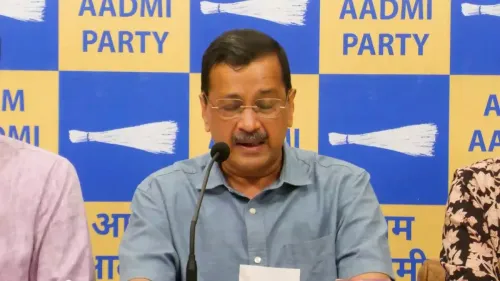
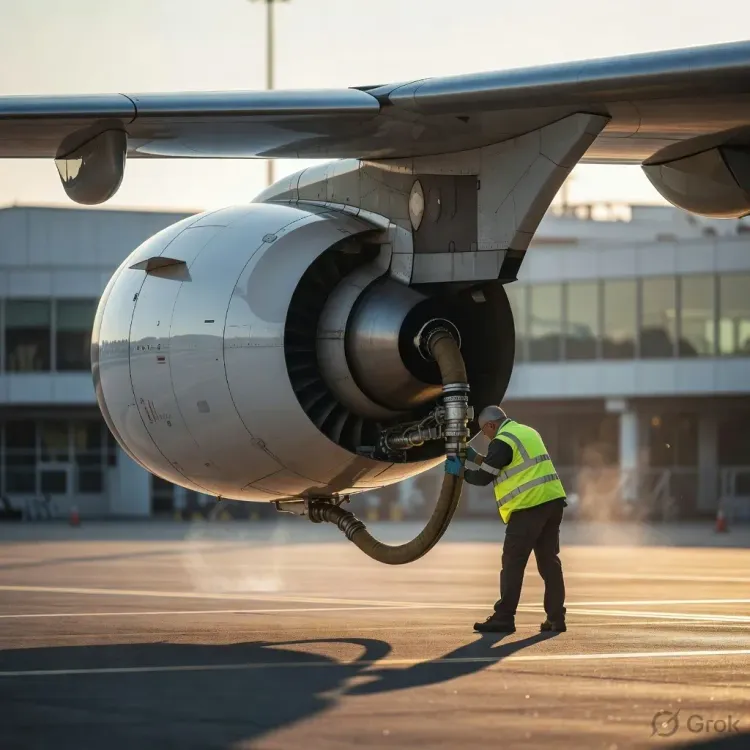
A policy quietly cleared for India's skies is now drawing sharp political fire from the ground. AAP convenor Arvind Kejriwal on Thursday, 6 August 2026 called out the central government's decision to permit ethanol blending in aviation turbine fuel, warning that the move could put passenger safety at risk — and demanding a more 'educated and competent' government to handle such decisions.
The warning Kejriwal posted — and what it says
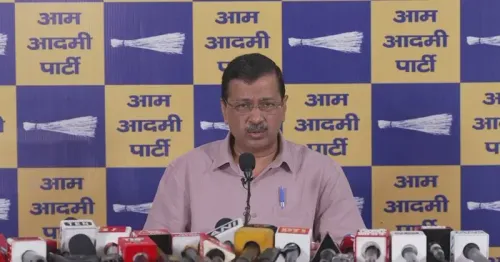
Sharing a report on the policy change, Kejriwal wrote: 'The engine of ur flight just might stop in the air. Will u risk flying in an aircraft running on adulterated aviation fuel? Time to have an educated and competent govt.' The post frames the ethanol blending permission not as an energy-security advance but as a potential catastrophe waiting at cruising altitude — a framing designed to alarm the ordinary flying public, not energy economists.
The language is pointed: the word 'adulterated' is a deliberate provocation, invoking images of substandard fuel rather than a certified biofuel blend. Whether that characterisation holds up technically is a separate question — but as political messaging, it lands hard.
India's biofuel push reaches the runway
The decision fits a clear policy arc. India's National Policy on Biofuels, 2018 laid the groundwork for expanding ethanol use across transport fuels. The government subsequently advanced its petrol ethanol-blending target to 20% by 2025, announced in 2021, and has steadily widened the mandate to reduce dependence on petroleum imports and support sugarcane farmers.
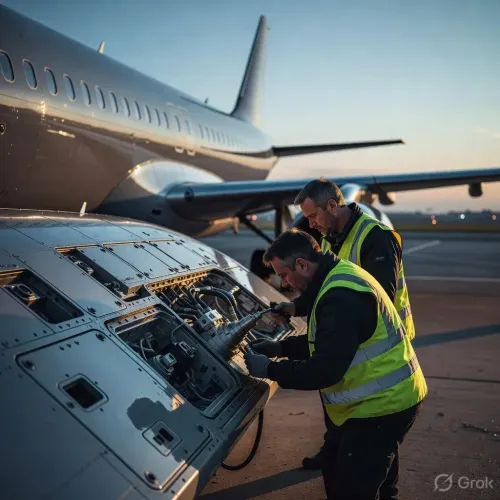
Extending that logic to aviation turbine fuel is the next frontier — but aviation is a categorically different domain. Aircraft engines operate under extreme temperature and pressure conditions, and fuel certification standards set by global airworthiness bodies are far stricter than those governing road transport. Any blended aviation fuel must clear rigorous compatibility and combustion tests before it can be deemed airworthy.
What regulators will need to answer
The critical question now is what the Directorate General of Civil Aviation (DGCA) has actually authorised — permitted blending percentages, mandatory engine compatibility protocols, and whether Indian carriers and aircraft manufacturers have signed off on the change. None of those specifics have been publicly detailed in ways that would reassure a sceptical passenger or a nervous pilot.
Opposition figures have historically used precisely such regulatory gaps to question the central government's technical oversight. Kejriwal's post follows that pattern — but it also lands at a moment when aviation safety scrutiny is unusually high globally, giving the charge more traction than it might otherwise carry.
Until the DGCA publishes clear blending limits and certification requirements, the gap between policy announcement and public reassurance remains — and that gap is exactly where political pressure thrives.
Point of View
The post sidesteps the substantive question of whether certified ethanol blends actually pose an airworthiness risk, a distinction the government will need to answer with regulatory specifics rather than political rebuttals. The broader pattern — India pushing biofuel mandates into progressively higher-stakes sectors — means this debate will intensify as the DGCA moves toward formal notification.
NationPress
20 Sept 2026
Frequently Asked Questions
Why is Kejriwal opposing ethanol blending in aviation fuel?
Kejriwal argues that blending ethanol into aviation turbine fuel could cause aircraft engines to fail mid-flight, calling it 'adulterated' fuel and questioning the central government's technical competence in approving the policy.
Is ethanol blending in aviation fuel safe?
Aviation turbine fuel is subject to far stricter global airworthiness standards than road transport fuels. Any ethanol blend must pass rigorous engine compatibility and combustion certification tests before being approved for use in aircraft. The DGCA's specific safety protocols for this permission have not been publicly detailed.
What is India's National Policy on Biofuels?
India's National Policy on Biofuels, 2018 promotes the use of ethanol and other biofuels across transport sectors to reduce petroleum import dependence and support agricultural producers, particularly sugarcane farmers.
What is India's ethanol blending target?
India set a target of 20% ethanol blending in petrol by 2025 , announced in 2021 . The extension of blending permissions to aviation turbine fuel is the latest step in this broader biofuel expansion.
What will the DGCA need to clarify about aviation ethanol blending?
The Directorate General of Civil Aviation will need to publish permitted blending percentages, mandatory engine compatibility test requirements, and confirmation that Indian carriers and aircraft manufacturers have cleared the change before passengers and industry can assess the safety implications.