Kejriwal heads to Mandir Marg to secure release of 11 detained minors
Synopsis
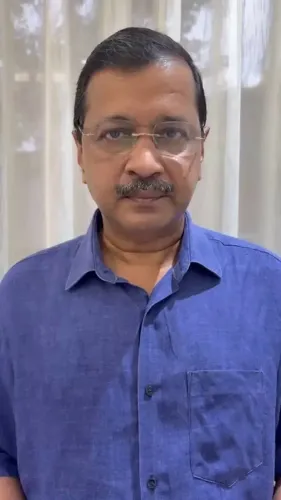
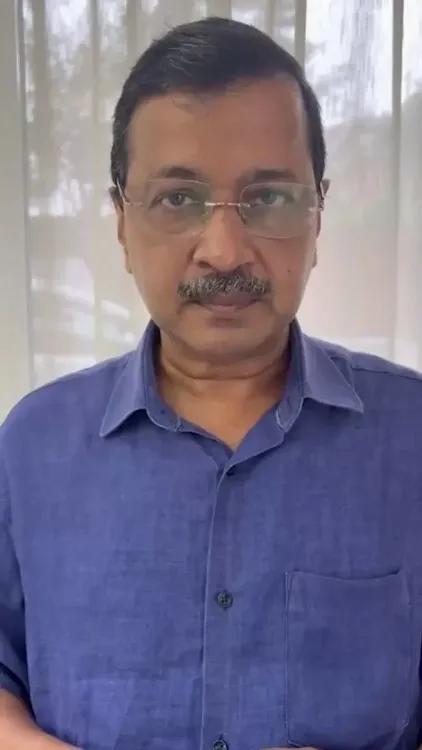
AAP convenor Arvind Kejriwal on 21 July 2026 announced he was heading to Mandir Marg police station in Delhi to secure the release of 11 detained children, while also flagging a missing-child complaint and sharing a public helpline number.
Key Takeaways
11 children were reported to be in custody at Mandir Marg police station in central Delhi as of 21 July 2026 .
Arvind Kejriwal announced he was personally travelling to the station to secure the minors' release.
A separate complaint about a missing child was also received by Kejriwal's team, which was liaising with police.
A public helpline — 85-888-33548 — was shared for citizens facing similar difficulties.
Delhi Police functions under the Ministry of Home Affairs , not the elected Delhi government, a structural tension that underlies such interventions.
AAP has operated citizen grievance helplines since 2015 as part of its direct-engagement governance model.
AAP convenor Arvind Kejriwal announced on Tuesday, 21 July 2026 that he was personally travelling to Mandir Marg police station in central Delhi to secure the release of 11 children reported to be in police custody, while also flagging a separate missing-child complaint his office was pursuing with authorities.
Context
Posting in Hindi on X, Kejriwal wrote: 'Mandir Marg thane mein 11 bacchon ko arrest kiya hua hai. Main abhi Mandir Marg ja raha hoon in sabhi bacchon ko chhudhwane ke liye.' ('11 children have been arrested at Mandir Marg police station. I am going to Mandir Marg right now to get all these children released.')
He added that a complaint regarding a missing child had also reached his team, and that they were 'continuously trying to find out about the child from the police.' He shared a helpline number — 85-888-33548 — urging anyone facing difficulty to reach out by message.
Policy Backdrop
Delhi Police operates under the Ministry of Home Affairs, not the elected Delhi government — a structural divide that has repeatedly produced friction between AAP administrations and the central law-enforcement apparatus. While the state government handles most civic functions, it has no direct command over police operations in the capital.
AAP has since 2015 run citizen helplines specifically to channel complaints about police and administrative inaction, positioning the party as a direct grievance-redressal body. Kejriwal's personal intervention at a police station follows this established pattern of high-visibility public engagement on local enforcement matters.
Stakeholders and Impact
The most immediate stakeholders are the families of the 11 minors said to be in custody at Mandir Marg and the family of the child reported missing. For these families, Kejriwal's public announcement and physical presence at the station signals political pressure on the police to act swiftly.
Child-welfare advocates and legal-aid organisations operating in Delhi are also watching the case, as the detention of minors triggers specific procedural obligations under the Juvenile Justice Act, including mandatory notification of parents and production before a Juvenile Justice Board within a defined timeframe.
What's Next
Attention will now turn to Delhi Police's formal response — whether it confirms the detention, clarifies the grounds, and provides an update on the missing-child complaint. Child-welfare authorities may also weigh in if procedural norms were not followed during the detention of the minors.
Any follow-up statement from Kejriwal after his visit to the station is expected to shape the next political beat on this story, particularly given the ongoing jurisdictional tension between the elected Delhi government and the centrally controlled police force.
Point of View
Where the elected government has no command over the police, allowing AAP to cast itself as a citizen's champion against an unresponsive central apparatus. The public helpline number amplifies this framing, turning a single incident into an open invitation for similar grievances. Whether the intervention yields concrete results for the detained minors will determine how much political capital Kejriwal extracts from the episode.
NationPress
21 Jul 2026
Frequently Asked Questions
Why were 11 children arrested at Mandir Marg police station?
The specific grounds for the detention have not been officially stated. AAP convenor Arvind Kejriwal announced on 21 July 2026 that 11 children were in custody at Mandir Marg police station and that he was going there personally to secure their release.
What is the AAP helpline number Kejriwal shared for Delhi police complaints?
Kejriwal shared the helpline number 85-888-33548 in his 21 July 2026 post, asking citizens facing difficulties to send a message on that number.
Does the Delhi government control Delhi Police?
No. Delhi Police operates under the Ministry of Home Affairs , which is a central government body. The elected Delhi government has no direct command over the police, a structural divide that has been a recurring source of friction.
What happens when minors are detained by police in India?
Under the Juvenile Justice Act , police are required to notify the minor's parents or guardians and produce the child before a Juvenile Justice Board within a stipulated timeframe. Specific procedural safeguards apply to all persons below 18 years of age.
What is Arvind Kejriwal's role in AAP?
Arvind Kejriwal is the national convenor of the Aam Aadmi Party and a former Chief Minister of Delhi. He founded the party and has led it since its inception in 2012.