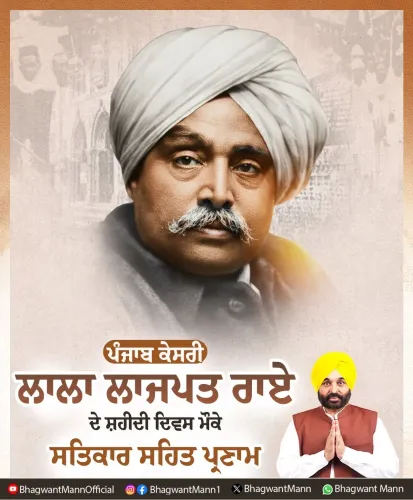
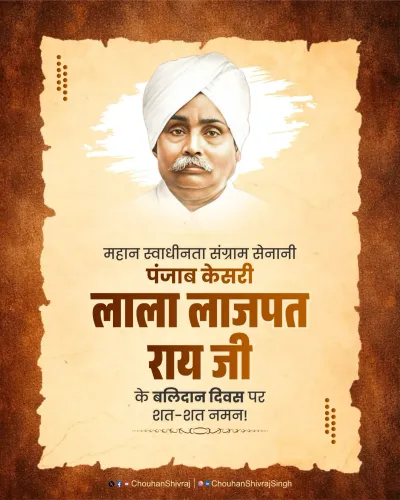
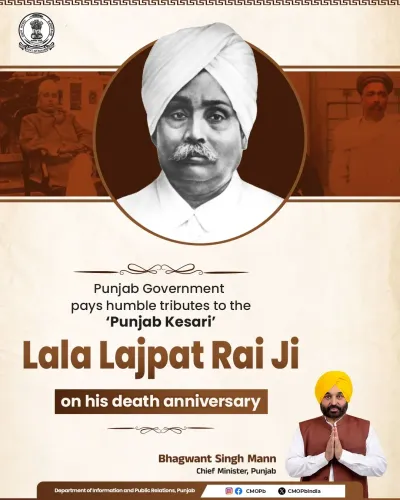
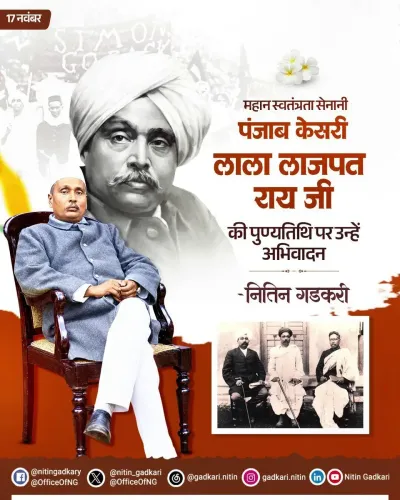
Kejriwal pays tribute to Lala Lajpat Rai on martyrdom anniversary
Synopsis
On 17 November 2026, AAP convenor Arvind Kejriwal paid homage to Lala Lajpat Rai — 'Punjab Kesari' — on his 98th martyrdom anniversary, honouring the freedom fighter who died after a British lathi charge during the 1928 anti-Simon Commission protests in Lahore.
Key Takeaways
AAP convenor Arvind Kejriwal posted a tribute to Lala Lajpat Rai on 17 November 2026 , the freedom fighter's martyrdom day.
Lala Lajpat Rai, known as 'Punjab Kesari' , died on 17 November 1928 from injuries sustained in a British police lathi charge in Lahore .
The lathi charge occurred on 30 October 1928 during a protest against the all-white Simon Commission .
Rai was a member of the celebrated Lal-Bal-Pal nationalist trio alongside Tilak and Bipin Chandra Pal.
Kejriwal called Rai 'an immortal source of inspiration' who united the country against British tyranny and sacrificed everything for the nation.
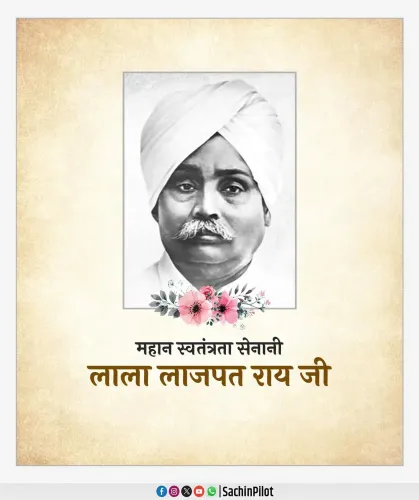
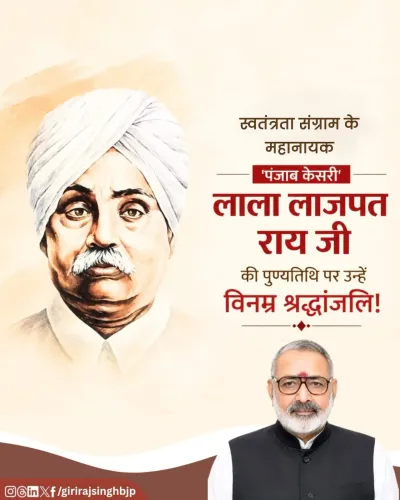
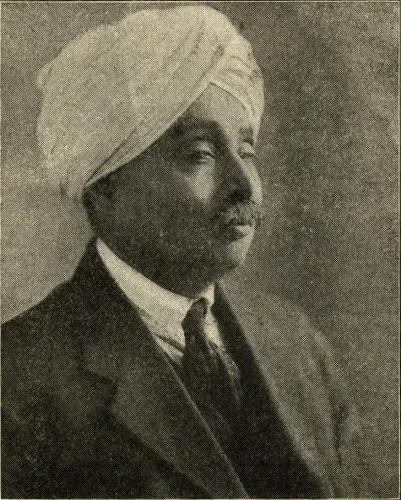
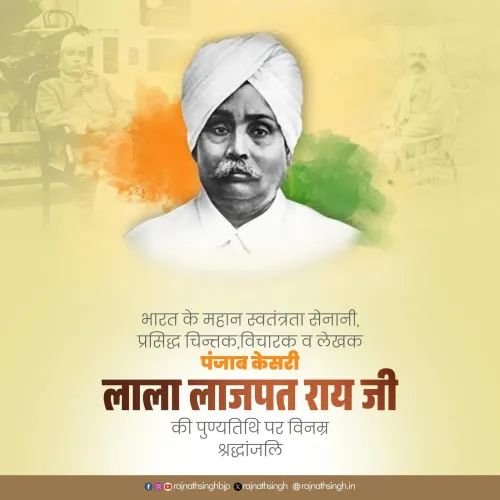
Ninety-eight years after a British lathi charge in Lahore fatally wounded him, Lala Lajpat Rai — 'Punjab Kesari', the Lion of Punjab — is remembered once again on 17 November 2026. AAP convenor Arvind Kejriwal marked the freedom fighter's martyrdom day with a heartfelt tribute on X, calling Rai an immortal source of inspiration for every Indian.
In his post, Kejriwal wrote: 'महान स्वतंत्रता सेनानी, 'पंजाब केसरी' लाला लाजपत राय जी के बलिदान दिवस पर उन्हें कोटि-कोटि नमन।' — 'On the martyrdom day of great freedom fighter, 'Punjab Kesari' Lala Lajpat Rai, I bow to him a crore times.' He added that Rai had united the entire country against British tyranny and sacrificed everything for the nation, and that he would remain an eternal source of inspiration for every citizen.
The lathi charge that shook a nation
Lala Lajpat Rai was struck by police batons on 30 October 1928 in Lahore while leading a non-violent march against the all-white Simon Commission, which had been sent to India to recommend constitutional reforms without a single Indian member. The assault was ordered by British Superintendent James A. Scott. Rai succumbed to his injuries on 17 November 1928, declaring from his deathbed: 'Every blow struck at me is a nail in the coffin of British imperialism in India.'
His death ignited outrage across India and directly inspired revolutionary acts of resistance. Rai was a towering figure in the Lal-Bal-Pal trio — alongside Bal Gangadhar Tilak and Bipin Chandra Pal — who together shaped the assertive, mass-mobilising strand of the independence movement in the early twentieth century.
A tribute pattern that spans the political spectrum
Indian political leaders across parties — from the ruling dispensation at the Centre to regional outfits — routinely issue public homages on the death anniversaries of independence-era icons, invoking themes of anti-colonial resistance and national unity. The gesture is especially resonant on 17 November, when Rai's martyrdom date aligns with fresh political conversations about constitutional values and civil liberties. Kejriwal's tribute follows a consistent pattern of AAP positioning itself within that nationalist-reformist lineage.
Lala Lajpat Rai's legacy endures not just in history books but in the named institutions, stadiums, and streets across Punjab and beyond — a reminder that the price of that resistance was paid in blood. The debt, Kejriwal's message implies, is one every generation must acknowledge.
Point of View
Positioning Kejriwal within that lineage reinforces the party's self-image as a people's movement confronting entrenched power. The choice to emphasise Rai's role in 'uniting the entire country' also signals a pan-India aspiration at a time when AAP is working to expand beyond Delhi and Punjab. Martyrdom anniversaries remain one of the few occasions where leaders can project patriotic gravitas without entering partisan territory.
NationPress
17 Nov 2026
Frequently Asked Questions
Why is 17 November observed as Lala Lajpat Rai's martyrdom day?
Lala Lajpat Rai died on 17 November 1928 from injuries he sustained during a British police lathi charge on 30 October 1928 in Lahore, while leading a protest against the Simon Commission.
Who was Lala Lajpat Rai and why is he called 'Punjab Kesari'?
'Punjab Kesari' means 'Lion of Punjab' — a title given to Lala Lajpat Rai for his fierce leadership in the independence movement, particularly in the Punjab region. He was part of the famous Lal-Bal-Pal trio of nationalist leaders.
What was the Simon Commission and why did Indians protest it?
The Simon Commission was a British constitutional review body sent to India in 1928 that had no Indian members. Indians protested it as a symbol of colonial exclusion, and Lala Lajpat Rai led one such protest in Lahore.
What did Arvind Kejriwal say about Lala Lajpat Rai on 17 November 2026?
Arvind Kejriwal posted a tribute calling Rai a great freedom fighter who united the country against British tyranny and sacrificed everything for the nation, describing him as an 'immortal source of inspiration' for every Indian.
Who were the Lal-Bal-Pal trio in India's independence movement?
The Lal-Bal-Pal trio comprised Lala Lajpat Rai (Lal), Bal Gangadhar Tilak (Bal), and Bipin Chandra Pal (Pal) — three nationalist leaders who championed an assertive, mass-mobilising approach to the independence struggle in the early twentieth century.