Kejriwal Leads Ram Devotees' Rally Against Temple Theft in Rohini
Synopsis
AAP convenor Arvind Kejriwal on 12 July 2026 joined a live gathering of Ram devotees in Rohini, Delhi, calling it a 'shankhanad' against those accused of stealing from a local Shri Ram Mandir. The event highlights the intersection of religious sentiment and Delhi politics.
Key Takeaways
AAP convenor Arvind Kejriwal participated in a live rally in Rohini, Delhi on 12 July 2026 .
The event was framed as a 'shankhanad' — a devotional call to action — by Ram devotees against alleged temple theft.
Kejriwal described the accused as 'mahapapis' (great sinners) in his post on X.
The specific details of the alleged theft at the Shri Ram Mandir in Rohini have not been confirmed by authorities as of publication.
Delhi Police , which functions under central government jurisdiction, is expected to face pressure to respond to the reported incident.
The episode reflects a broader pattern of Indian political leaders engaging publicly with incidents at religious sites.
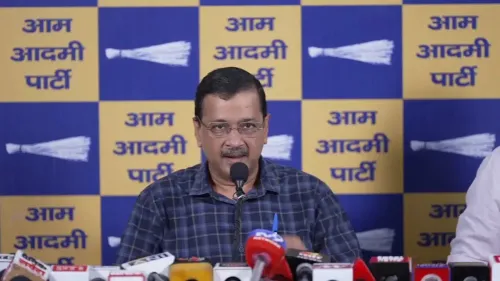
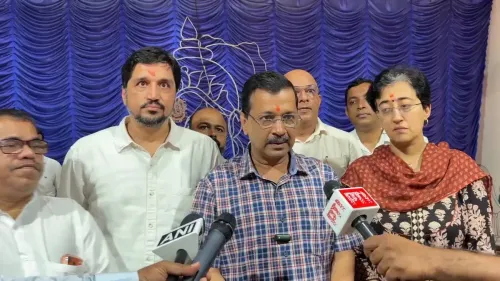
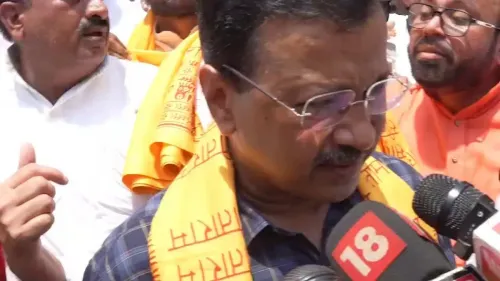
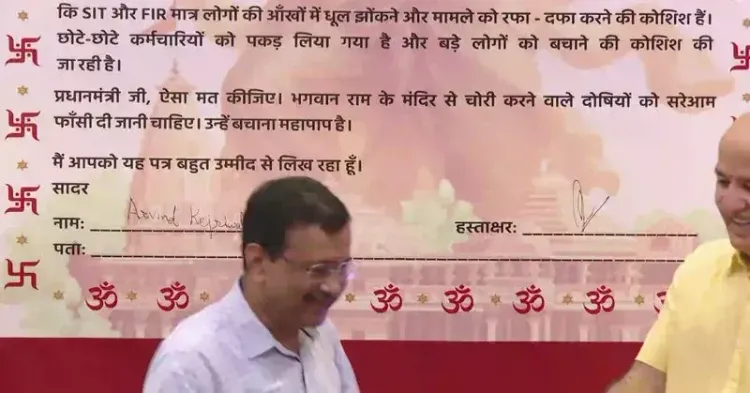
AAP convenor Arvind Kejriwal on Sunday, 12 July 2026, joined a live gathering of Ram devotees in Rohini, Delhi, calling for action against those he described as 'mahapapis' (great sinners) accused of committing theft at a Shri Ram Mandir. The event, streamed live from Rohini, was framed as a 'shankhanad' — a conch-shell call to arms — by devotees demanding accountability.
Context
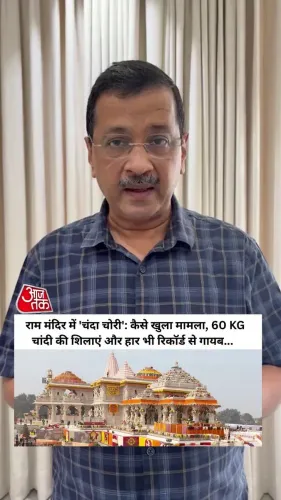
Kejriwal's post, written in Hindi, translates as: 'Rambhakton ka shankhanad un mahapaapiyon ke viruddh jo Shri Ram Mandir mein chori karte hain' — 'Ram devotees sound the conch against the great sinners who commit theft at the Shri Ram Mandir — LIVE from Rohini, Delhi.' The event centred on public outrage over an alleged theft at a local Ram temple in the Rohini area of North West Delhi. The specific details of the reported incident have not been independently confirmed by authorities as of the time of publication.
The gathering drew residents and devotees from the locality, with Kejriwal positioning himself alongside the aggrieved community. The live broadcast underscored the political salience of the episode for the AAP leadership.
Policy Backdrop
Ram temples and their administration have occupied a prominent place in Indian public discourse since the Supreme Court's November 2019 verdict on the Ram Janmabhoomi-Babri Masjid title dispute, which cleared the path for temple construction in Ayodhya, Uttar Pradesh. The Shri Ram Janmabhoomi Temple in Ayodhya was inaugurated in January 2024, amplifying the symbolic weight attached to Ram temples across the country.
Incidents involving the security or sanctity of religious sites — whether in Ayodhya or at neighbourhood mandirs — tend to draw swift political responses. Indian leaders across the spectrum have regularly issued statements on such matters, reflecting the deep resonance of religious sites with voters.
Stakeholders and Impact
The immediate stakeholders are the devotees and residents of Rohini, one of Delhi's most populous localities, who reportedly gathered in significant numbers. For AAP, which has historically sought to balance a secular electoral identity with visible expressions of Hindu devotion, Kejriwal's participation signals a continued effort to connect with religious sentiment among Delhi voters.
The alleged theft, if confirmed by police, would also put pressure on the Delhi Police — which operates under central government jurisdiction — to respond swiftly. Any delay in action could become a point of political contention between AAP and the ruling dispensation at the Centre.
What's Next
Attention will now turn to an official response from the Delhi Police and the temple administration regarding the reported theft and any arrests made. Reactions from other political parties on both the alleged incident and Kejriwal's mobilisation are also expected.
The episode is likely to fuel further debate about the security of religious sites in Delhi, and could feed into the broader political contest over who best represents the interests of Hindu devotees in the capital ahead of future electoral cycles.
Point of View
He attempts to occupy political ground that rivals have long claimed as their own. The episode also hands AAP a ready-made pressure point against Delhi Police, which answers to the central government, should the case remain unresolved. Whether this translates into durable electoral capital will depend on how quickly — and visibly — the authorities act.
NationPress
12 Jul 2026
Frequently Asked Questions
What did Arvind Kejriwal say about the Ram Mandir theft in Rohini?
Kejriwal called those accused of theft at the Shri Ram Mandir 'mahapapis' (great sinners) and joined a live rally of Ram devotees in Rohini, Delhi on 12 July 2026, demanding accountability.
Where is the Ram Mandir theft incident that Kejriwal mentioned?
The incident refers to an alleged theft at a Shri Ram Mandir in Rohini, a locality in North West Delhi. Specific details of the incident had not been officially confirmed at the time of publication.
What is a 'shankhanad' and why did Kejriwal use the term?
A 'shankhanad' literally means the blowing of a conch shell and is used figuratively to denote a rallying call or declaration of intent. Kejriwal used the term to describe the gathering of Ram devotees demanding action against the alleged theft.
Who controls Delhi Police and why does it matter in this case?
Delhi Police functions under the jurisdiction of the central government, not the Delhi state government. This makes any alleged lapse in temple security or delayed response a potential political flashpoint between AAP and the Centre.
How does this event connect to the broader Ram Mandir discourse in India?
Since the Supreme Court's 2019 verdict and the Ayodhya temple inauguration in January 2024, Ram temples have held heightened symbolic importance across India. Incidents at local mandirs now draw swift political attention, reflecting how deeply the issue resonates with voters.