Kejriwal Leads Ram Mandir Theft Protest in Rohini

Synopsis
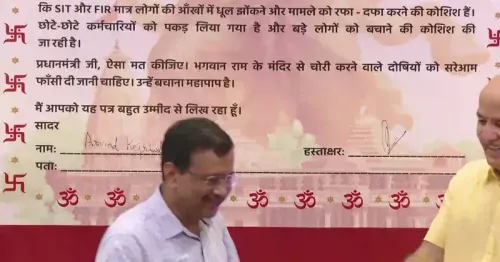
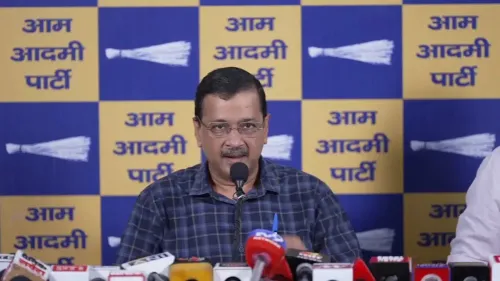
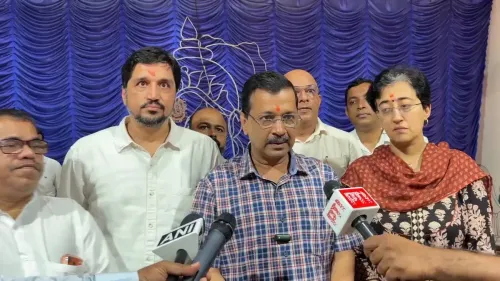
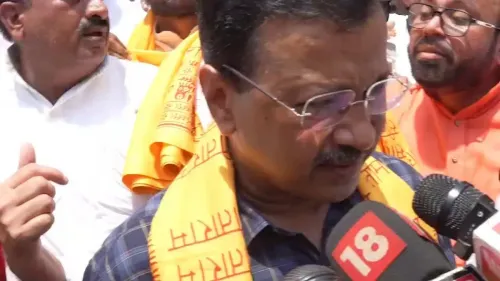
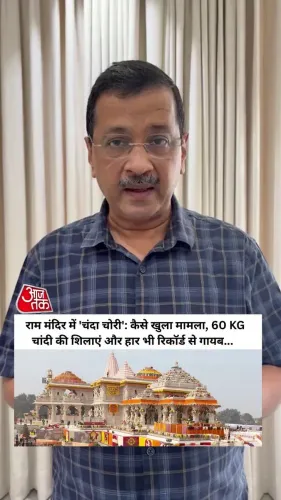
AAP convenor Arvind Kejriwal held a live public gathering in Rohini, Delhi on 12 July 2026, rallying Ram devotees in protest against an alleged theft at the Shri Ram Mandir in Ayodhya, framing the mobilisation as a righteous 'shankhnada' against the perpetrators.
Key Takeaways
Arvind Kejriwal addressed a live public event in Rohini, North West Delhi on 12 July 2026 .
The protest was framed as a 'shankhnada' — a conch-call — by Ram devotees against alleged thieves at the Shri Ram Mandir, Ayodhya .
The Ram Temple was consecrated on 22 January 2024 and remains a high-profile national religious site.
AAP's intervention extends the party's outreach beyond its core governance and anti-corruption messaging.
Security and administration of the Ayodhya temple complex falls under the Shri Ram Janmabhoomi Teerth Kshetra Trust and Uttar Pradesh state authorities.
Official details of the alleged theft and any ongoing investigation have not yet been confirmed by authorities.
AAP convenor Arvind Kejriwal on Sunday, 12 July 2026, addressed a live public gathering in Rohini, Delhi, calling it a 'shankhnada' — a clarion call — by Ram devotees against those he described as 'mahapapis' (great sinners) who allegedly committed theft at Shri Ram Mandir.
Context
Kejriwal's post, shared live from Rohini in North West Delhi, announced a public mobilisation framed around an alleged theft at the Ram Temple in Ayodhya. The post in Hindi reads: 'Shri Ram Mandir mein chori karne wale mahapaapiyon ke viruddh Rambhakton ka shankhnada' — loosely translated as 'Ram devotees sound the conch against the great sinners who stole from Shri Ram Mandir.' The use of the word 'shankhnada,' a conch-shell call traditionally associated with the beginning of a righteous battle, signals an emotionally charged political and religious framing.
The Rohini locality, a densely populated residential belt in North West Delhi, has been a significant constituency for AAP in past Delhi Assembly elections, making it a strategically important venue for outreach.
Policy Backdrop
The Shri Ram Mandir in Ayodhya, Uttar Pradesh, was consecrated on 22 January 2024 in a nationally televised ceremony, marking the culmination of a decades-long legal and political process. Since its consecration, the temple has remained a focal point of national discourse, drawing millions of pilgrims and sustained political attention from parties across the spectrum.
Security and administration of the Ayodhya temple complex fall under the jurisdiction of the Shri Ram Janmabhoomi Teerth Kshetra Trust and Uttar Pradesh state authorities. Any allegation of theft at such a high-profile religious site carries significant symbolic and administrative weight, typically prompting demands for accountability from opposition parties and devotee groups alike.
Stakeholders and Impact
The primary stakeholders in this episode are Ram devotees across India, who regard the Ayodhya temple as a sacred national symbol, and Delhi residents, particularly in constituencies like Rohini where AAP has an active base. By staging the protest in Delhi rather than Ayodhya, Kejriwal brings the issue into the capital's political arena.
Indian political figures across parties have periodically issued statements on matters concerning prominent religious sites to engage with public sentiment. AAP's intervention on this issue extends its outreach beyond its traditional emphasis on governance, education, health and anti-corruption in Delhi, signalling a broader attempt to connect with religious sentiment among voters.
What's Next
Attention will now turn to whether other political parties respond to the alleged theft incident and what official updates emerge from Uttar Pradesh authorities or the temple trust regarding any investigation. Kejriwal's decision to hold a live public event rather than issue a written statement suggests AAP intends to sustain public pressure on the issue. The political and security response from Lucknow and Ayodhya in the coming days will determine how far this episode shapes the broader narrative around the temple's administration.
Point of View
' the party positions itself as a defender of religious sentiment — territory traditionally dominated by the BJP — ahead of what remains a competitive electoral landscape in Delhi. The choice of Rohini, a key North West Delhi constituency, underlines that this is as much an organisational exercise as a moral one. Whether this strategy deepens AAP's voter base or invites charges of political opportunism will depend on how the underlying incident is officially resolved.
NationPress
12 Jul 2026
Frequently Asked Questions
What did Arvind Kejriwal say about the Ram Mandir theft?
Kejriwal called the alleged perpetrators 'mahapapis' (great sinners) and described the public protest in Rohini as a 'shankhnada' — a righteous clarion call — by Ram devotees against those who allegedly stole from the Shri Ram Mandir in Ayodhya.
Where did Kejriwal hold the Ram Mandir protest?
The live public gathering was held in Rohini , a residential locality in North West Delhi, on 12 July 2026 .
When was the Ram Mandir in Ayodhya built?
The Shri Ram Mandir in Ayodhya was consecrated on 22 January 2024 in a ceremony led by Prime Minister Narendra Modi, following a long legal and political process.
Why is AAP protesting about the Ram Mandir theft?
AAP is using the alleged theft at the Ayodhya Ram Mandir to mobilise Ram devotees and signal that the party stands for protecting religious sites, extending its outreach beyond its traditional governance-focused messaging.
Who is responsible for security at the Ram Mandir Ayodhya?
Security and administration of the Ayodhya temple complex fall under the Shri Ram Janmabhoomi Teerth Kshetra Trust and Uttar Pradesh state authorities.