Kejriwal Makes 3 Fuel Demands: E20 Choice, Lower Prices
Synopsis
AAP convenor Arvind Kejriwal has put three demands to the central government on fuel: offer E20 and pure petrol as separate options at every pump, price E20 lower than pure petrol, and bring petrol below ₹84 per litre — framing it as a consumer-rights call tied to India's own biofuel policy.
Key Takeaways
AAP convenor Arvind Kejriwal posted three fuel demands on 1 August 2026 , addressed to the central government.
Demand 1: Every petrol pump must offer both E20 (ethanol-blended) and pure petrol as separate choices.
Demand 2: E20 must be priced lower than pure petrol, reflecting its lower production cost.
Demand 3: The retail price of petrol must fall below ₹84 per litre .
India's National Policy on Biofuels (2018) set an E20 target, later advanced to 2025 ; E20 is currently expanding in select cities but is not universally available as a consumer option.
Fuel prices are governed by the Ministry of Petroleum and Natural Gas and oil marketing companies IOCL, BPCL and HPCL , with no statutory retail price cap in place.
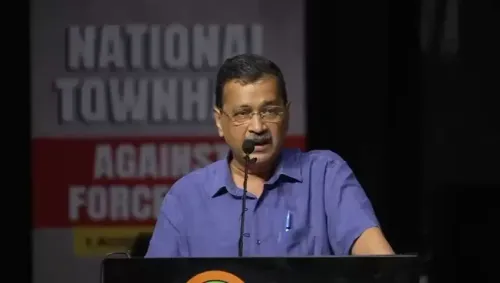
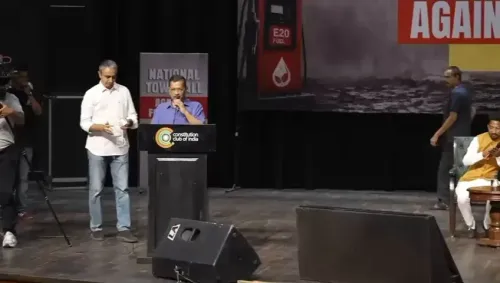
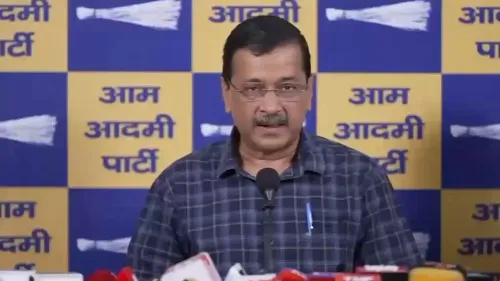
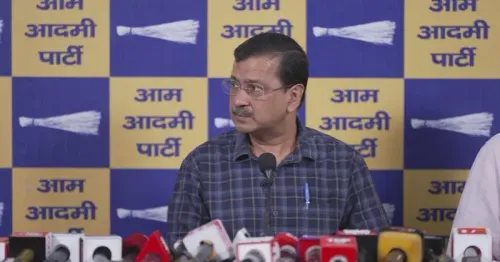
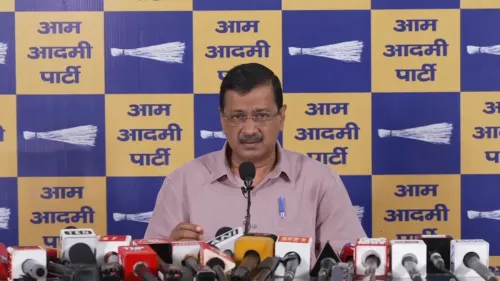
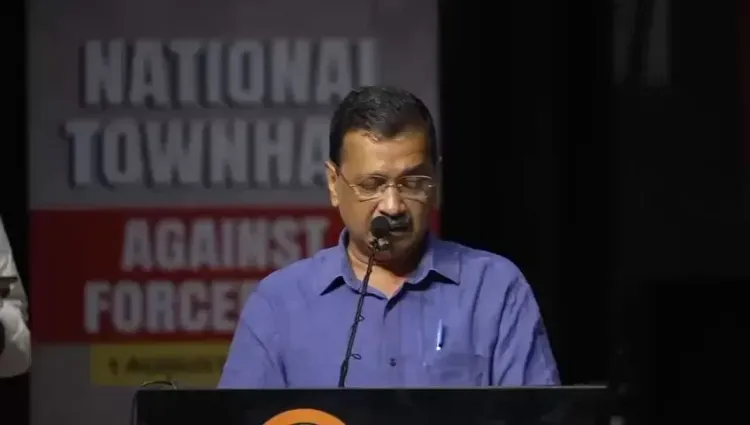
Every time Indians pull up to a petrol pump, they pay whatever price the system sets — no options, no negotiation. AAP convenor Arvind Kejriwal wants to change that, and on Saturday, 1 August 2026, he put three pointed demands to the central government that cut straight to the consumer's pocket.
Posting in Hindi, Kejriwal framed his demands as the voice of the public: 'मेरी देश के लोगों की तरफ से सरकार से 3 मांगें हैं' ('On behalf of the people of this country, I have three demands from the government'). The demands are: petrol pumps must offer both E20 and pure petrol as separate options; E20 must be priced lower than pure petrol; and the price of petrol must fall below ₹84 per litre.
What E20 Is — and Why the Choice Matters
E20 refers to petrol blended with up to 20 percent ethanol, a cornerstone of India's biofuel policy designed to cut dependence on imported crude oil and reduce vehicular emissions. The National Policy on Biofuels (2018) first set an E20 target for 2030; in 2021, the government advanced that deadline to 2025, pushing oil marketing companies — IOCL, BPCL and HPCL — to roll out blended fuel at retail outlets across the country.
E10 is now widely available at pumps nationally, and E20 has been expanding in selected cities and states. The catch: consumers at most outlets have no visible choice between blended and unblended grades. Kejriwal's first demand targets exactly this gap — that the option itself must exist at every pump, not just in select markets.
The Price Logic Behind the Demand
Ethanol, domestically produced from sugarcane molasses and grain, costs less to procure than imported crude-derived petrol. Kejriwal's second demand — that E20 be priced cheaper than pure petrol — follows that logic directly: if blended fuel is cheaper to produce, the saving should reach the consumer at the nozzle, not disappear in the supply chain.
The third demand — a retail price ceiling below ₹84 per litre — is the most politically charged. Fuel retail prices in India are a function of global crude benchmarks layered with central excise duty and state VAT, making them a perennial flashpoint. The Ministry of Petroleum and Natural Gas and the oil marketing companies set and revise these prices; no statutory cap currently exists at the retail level.
A Familiar Battlefield, a Sharper Ask
Demands for fuel price relief are not new in Indian politics. What distinguishes this intervention is its specificity: Kejriwal is not simply calling for a price cut but is simultaneously pressing for consumer choice and a pricing structure that rewards the government's own ethanol-blending agenda. If E20 is good policy, the argument runs, make it attractive — price it lower and let people choose it freely.
The next revision of ethanol procurement prices and any clarification from oil companies on whether blending at pumps will remain mandatory or become optional will be the real test of whether these demands find traction in policy rooms.
Three demands, one pump, and a bill that millions of Indians settle every week — the pressure is now squarely on the government to respond.
Point of View
It must also make it cheaper and freely available. The demand for a sub-₹84 price floor plugs directly into the broader opposition narrative that central excise on fuel remains elevated even as crude prices fluctuate. By bundling a policy-aligned ask (E20 choice) with a populist one (price cut), AAP is positioning itself on economic grievance terrain ahead of electoral cycles. The government's response — or silence — on ethanol procurement pricing and mandatory-versus-optional blending will reveal how seriously it takes the consumer side of its own biofuel ambition.
NationPress
1 Aug 2026
Frequently Asked Questions
What is E20 petrol and is it available in India?
E20 is petrol blended with up to 20 percent ethanol. India has been rolling it out in selected cities and states as part of its biofuel policy, but it is not yet universally available as a separate consumer option at all pumps.
Why is Kejriwal demanding petrol below ₹84 per litre?
Kejriwal has cited ₹84 per litre as a price benchmark that consumers should not have to exceed, arguing that fuel prices must come down to provide relief to ordinary Indians. The specific figure appears in his post; current retail prices vary by state and cannot be independently verified here.
Should E20 be cheaper than regular petrol?
Kejriwal argues yes, because ethanol is domestically produced from sugarcane and grain and costs less than imported crude-derived petrol. The price saving, he contends, should be passed on to consumers at the pump.
What is India's ethanol blending policy?
India's National Policy on Biofuels (2018) set a target of 20 percent ethanol blending in petrol by 2030, later advanced to 2025. It is implemented by oil marketing companies IOCL, BPCL and HPCL under the Ministry of Petroleum and Natural Gas.
Who controls petrol prices in India?
Retail petrol prices are determined by oil marketing companies based on international crude benchmarks, central excise duty and state VAT. The Ministry of Petroleum and Natural Gas oversees the framework; there is no statutory retail price cap.