Kejriwal Demands Oil, Gas Stock Disclosure Amid Panic
Synopsis
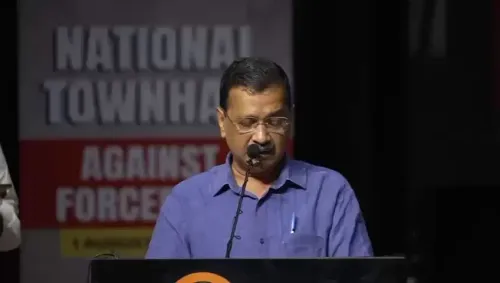
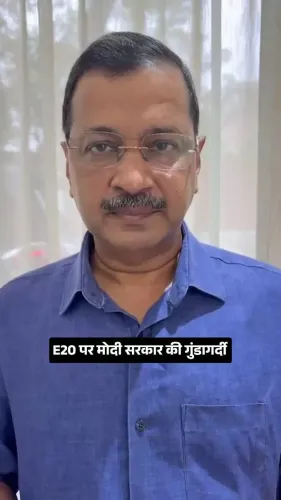
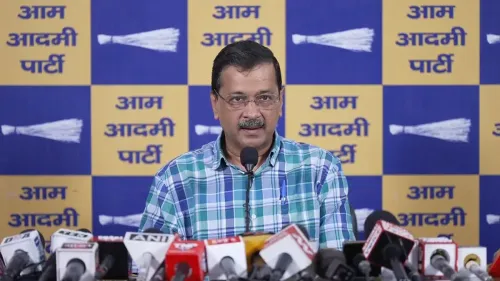
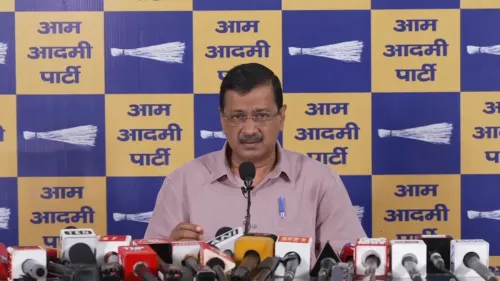
AAP convenor Arvind Kejriwal on 22 May 2026 publicly demanded that the Central government disclose current oil and gas stock levels, days of cover, and incoming supply timelines, warning that rumours and panic are spreading across the country while the government remains silent.
Key Takeaways
Kejriwal posted on 22 May 2026 questioning the government's silence on fuel reserve levels amid reported panic in several parts of India.
He asked three specific questions: current oil and gas stock, how many days it will last, and when fresh supplies are expected.
He described the situation as one of widespread rumours and confusion, charging that 'the government is absent.' India's emergency crude storage is managed by Indian Strategic Petroleum Reserves Limited , set up in 2004 .
The Ministry of Petroleum and Natural Gas has not publicly responded to the concerns raised.
Transport operators and fuel consumers are the most directly affected stakeholders if supply uncertainty persists.
AAP convenor Arvind Kejriwal on Friday, 22 May 2026 sharply questioned the Central government over its silence on fuel reserves, saying panic and rumours have spread across several parts of the country while the administration remains absent from public discourse.
Context
Posting in Hindi, Kejriwal wrote: 'देश के कई हिस्सों में ऐसे हालात देखने को मिल रहे हैं' — 'Such conditions are being witnessed in many parts of the country.' He demanded that the government disclose how much stock of oil and gas it currently holds, how many days that stock will last, and when fresh supplies are expected to arrive.
Describing the atmosphere as one of widespread confusion, he stated: 'चारों तरफ़ अफ़वाहों का बाज़ार गर्म है' — 'Rumours are rife on all sides.' He concluded with a pointed charge: 'सरकार ग़ायब है' — 'The government is absent.'
Policy Backdrop
India's fuel security architecture is managed primarily by the Ministry of Petroleum and Natural Gas, which oversees crude imports, refinery operations, and strategic buffer stocks. The Indian Strategic Petroleum Reserves Limited (ISPRL), established in 2004, maintains emergency crude storage facilities at multiple locations to cushion the country against supply disruptions.
India imports a significant share of its crude oil requirements, making domestic stock levels and import schedules a matter of direct public interest, particularly during periods of global price volatility or geopolitical uncertainty. Opposition parties have historically pressed the government for granular disclosures on reserve positions whenever supply concerns surface in public debate.
Stakeholders and Impact
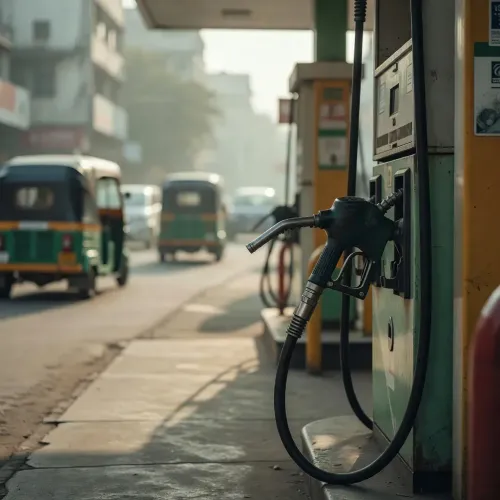
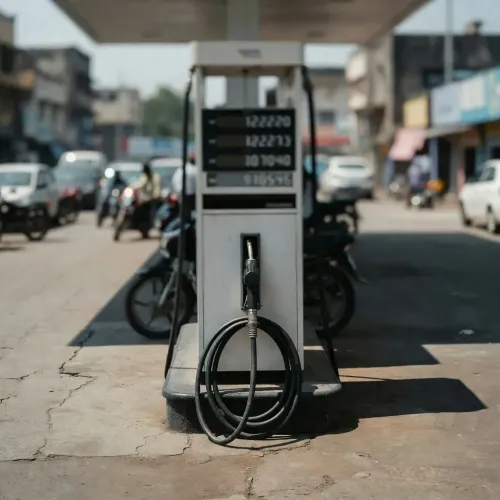
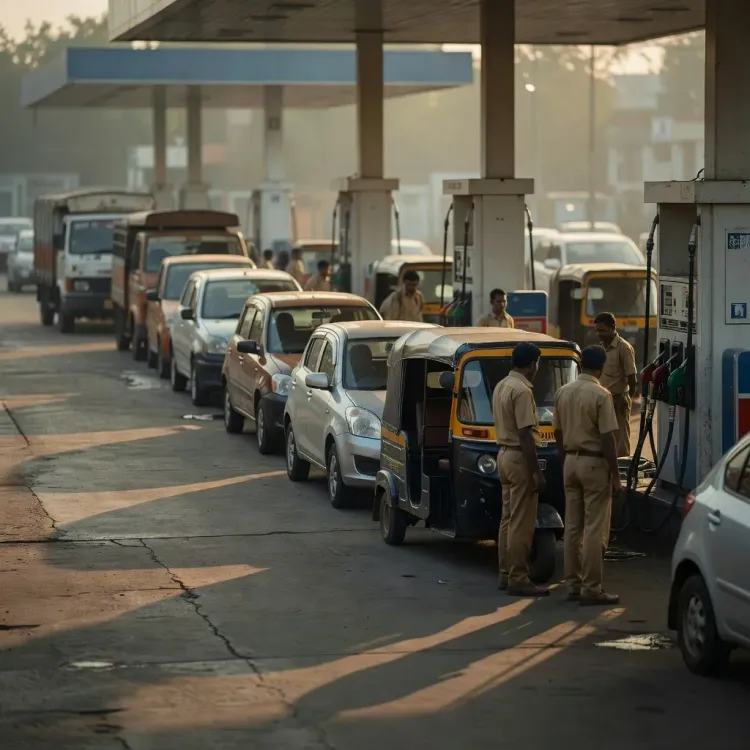
The most immediately affected groups are fuel consumers and transport operators, for whom uncertainty about petrol, diesel, and cooking gas availability translates into operational and household disruption. Rumours of shortage, even when unsubstantiated, can trigger panic buying and queuing at fuel stations, compounding actual supply stress.
Kejriwal's post frames the issue as a governance failure — arguing that the absence of official communication is itself a driver of public anxiety. By asking three specific questions (current stock levels, days of cover, and incoming supply timelines), he has set a concrete benchmark against which any government response will be measured.
What's Next
All eyes will be on the Ministry of Petroleum and Natural Gas for an official statement clarifying current stock positions and import schedules. A parliamentary query or an adjournment motion on the subject could force a formal, on-record response. If the government does not address the concerns promptly, the political pressure from opposition benches is likely to intensify, with fuel security potentially becoming a flashpoint in ongoing legislative sessions.
Point of View
A line that has proven effective in urban constituencies. The timing matters: if supply concerns are genuinely circulating at the ground level, silence from the Petroleum Ministry risks allowing rumour to harden into political narrative. The episode reflects a broader pattern in Indian politics where opposition leaders increasingly use social media to set the terms of a policy debate before the government has shaped its own communication.
NationPress
19 Sept 2026
Frequently Asked Questions
What did Kejriwal say about oil and gas stocks in India?
Kejriwal on 22 May 2026 demanded the government publicly disclose how much oil and gas stock it holds, how many days it will last, and when fresh supplies are due, saying rumours and panic are spreading while the government stays silent.
Is there a fuel shortage in India in 2026?
Kejriwal's post references panic and rumours in several parts of the country, but the precise trigger and the extent of any actual shortage have not been officially confirmed by the government as of his post on 22 May 2026.
What are India's strategic petroleum reserves?
India's strategic petroleum reserves are emergency crude oil storage facilities managed by Indian Strategic Petroleum Reserves Limited, established in 2004, designed to provide a buffer against supply disruptions.
Which ministry handles oil and gas stocks in India?
The Ministry of Petroleum and Natural Gas oversees crude imports, refinery operations, and strategic reserve levels in India.
Why is Kejriwal asking about fuel stocks?
Kejriwal says the government is not communicating about current oil and gas inventory or incoming supplies, which he argues is fuelling rumours and public panic across several parts of India.