Kejriwal Questions Modi Govt Over Rising Fuel Prices, Cheap Oil Snub
Synopsis
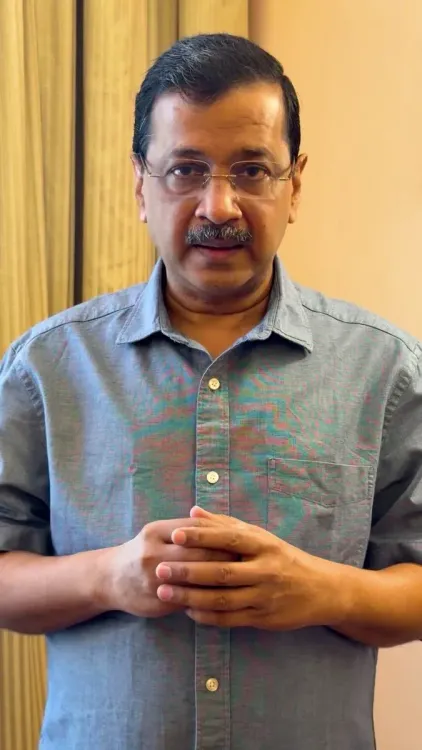
AAP convenor Arvind Kejriwal on 25 May 2026 publicly questioned why India is not purchasing discounted crude from Russia and Iran even as fuel prices rise, demanding PM Modi explain the 'compulsion' behind the policy.
Key Takeaways
Arvind Kejriwal on 25 May 2026 questioned the Modi government on X over rising fuel prices and India's continued avoidance of cheaper crude from Russia and Iran .
India scaled up Russian crude imports to over 40 per cent of its basket after the 2022 Ukraine conflict to secure discounted supplies.
India stopped purchasing Iranian oil in 2019 after the US declined to renew sanctions waivers.
AAP frames the government's import choices as a burden on consumers, pointing to geopolitical pressure as the unstated reason.
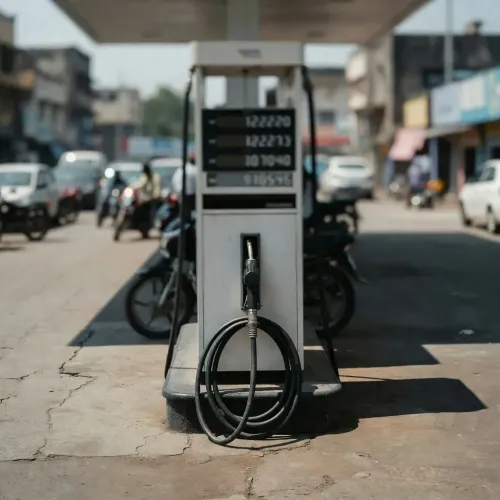
Retail fuel prices in India are shaped by both global crude benchmarks and domestic central and state taxes.
The next key signals are OPEC+ production decisions and potential parliamentary debate on fuel taxation during the monsoon session .
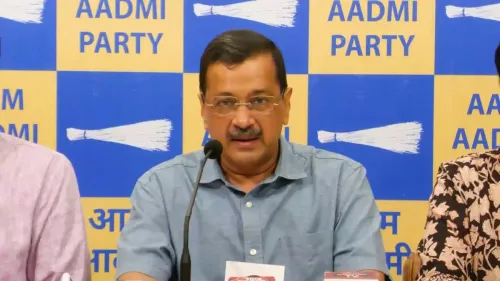
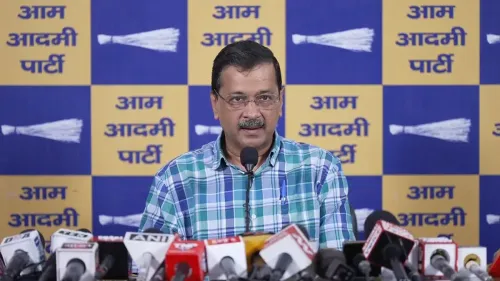
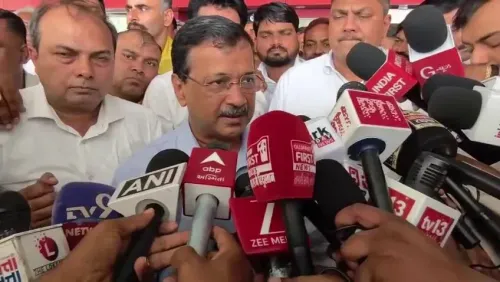
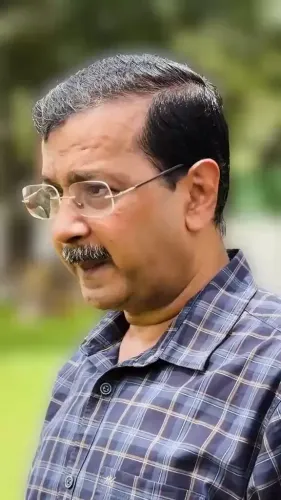
AAP convenor Arvind Kejriwal on Monday, 25 May 2026, publicly challenged the Narendra Modi government over rising fuel prices, questioning why India continues to forgo cheaper crude oil available from Russia and Iran. The post, shared on X, demanded an explanation from the Prime Minister for what Kejriwal called an unexplained compulsion driving the policy.
Posting in Hindi, Kejriwal wrote: 'तेल के दाम फिर बढ़ गए। हम फिर भी रूस और ईरान से सस्ता तेल नहीं ले रहे। मोदी जी की ऐसी क्या मजबूरी है?' — translated: 'Fuel prices have risen again. We are still not buying cheap oil from Russia and Iran. What compulsion does Modi ji have?' The question is pointed, framing the government's import choices as a burden borne by ordinary consumers.
Context
The post arrives amid a fresh uptick in retail fuel prices, which remain among the most politically charged economic indicators in India. Kejriwal, as AAP's national convenor and a prominent face of the opposition, has a track record of targeting the central government on fuel taxation and pricing decisions. His framing — asking what 'compulsion' the Prime Minister faces — implies external diplomatic or geopolitical pressure without stating it explicitly.
Policy Backdrop
India's crude import strategy has shifted significantly over the past four years. After the Ukraine conflict in 2022, India dramatically scaled up purchases of discounted Russian crude, which at its peak accounted for over 40 per cent of the country's import basket — a pragmatic move that shielded consumers from the worst of global price spikes. On Iran, India halted purchases in 2019 after the United States declined to renew sanctions waivers, effectively cutting off a historically significant and competitively priced supply source.
Both decisions reflect the tension between India's energy security imperatives and its relationships with Western partners. Fuel retail prices are also shaped heavily by central and state taxes, a dimension that opposition parties frequently highlight when pump prices rise.
Stakeholders and Impact
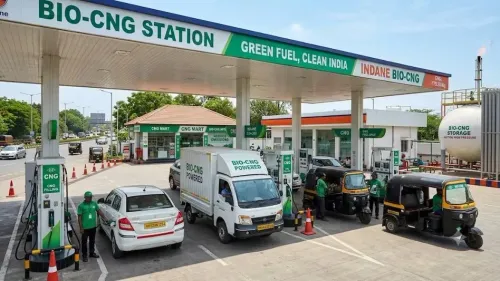
The immediate stakeholders are Indian consumers — particularly the urban middle class and transport sector — who absorb higher fuel costs directly through petrol, diesel, and compressed natural gas prices. Oil marketing companies such as state-owned refiners operate on thin margins and are sensitive to both global benchmarks and government pricing directives. For the Modi government, any move to resume Iranian crude purchases would require navigating active US sanctions, while Russian oil trade, though ongoing in some form, faces its own logistical and payment complications tied to Western financial restrictions.
Opposition parties, including AAP, have consistently argued that the government prioritises geopolitical alignment over consumer relief, a charge the ruling dispensation disputes by pointing to overall energy security and diplomatic considerations.
What's Next
The next major signals to watch are OPEC+ production decisions, which will influence global crude benchmarks, and any debate on fuel taxation during the upcoming monsoon session of Parliament. If prices remain elevated, political pressure on the government to either cut excise duties or explain its import calculus is likely to intensify. Kejriwal's post suggests AAP intends to keep fuel pricing at the centre of its national economic critique heading into that session.
Point of View
Since resuming those purchases would require confronting active US sanctions, a diplomatic cost the post glosses over. The broader pattern here is AAP positioning itself as the voice of economic grievance at the national level, a role it has cultivated since its 2022 Punjab victory gave it a larger federal platform. If fuel prices remain elevated into the monsoon session, this line of attack is likely to become a structured parliamentary offensive rather than a single social media post.
NationPress
8 Oct 2026
Frequently Asked Questions
Why is Kejriwal asking about Russian and Iranian oil?
Kejriwal is questioning why India is not buying cheaper crude from Russia and Iran even as domestic fuel prices rise, arguing that the government's import choices are increasing costs for consumers. India had significantly increased Russian crude imports after 2022 but stopped Iranian oil purchases in 2019 due to US sanctions .
Does India still buy oil from Russia?
India significantly increased Russian crude imports after the 2022 Ukraine conflict , with Russian oil at its peak accounting for over 40 per cent of India's import basket, though the current volume as of May 2026 cannot be independently verified from available data.
Why did India stop buying oil from Iran?
India halted Iranian crude purchases in 2019 after the United States declined to renew sanctions waivers that had allowed Indian refiners to continue buying from Tehran despite broader US sanctions on Iran.
What is AAP's position on fuel prices in India?
AAP and its national convenor Arvind Kejriwal have consistently argued that the Modi government prioritises geopolitical alignment over consumer relief, calling for either lower fuel taxes or a change in crude import policy to bring down retail prices.
What factors determine petrol and diesel prices in India?
Retail fuel prices in India are determined by global crude oil benchmarks, refining costs, and — critically — central excise duty and state value-added taxes, which together make up a substantial share of the pump price.