Kejriwal asks public: should India buy cheap oil from Russia, Iran?
Synopsis
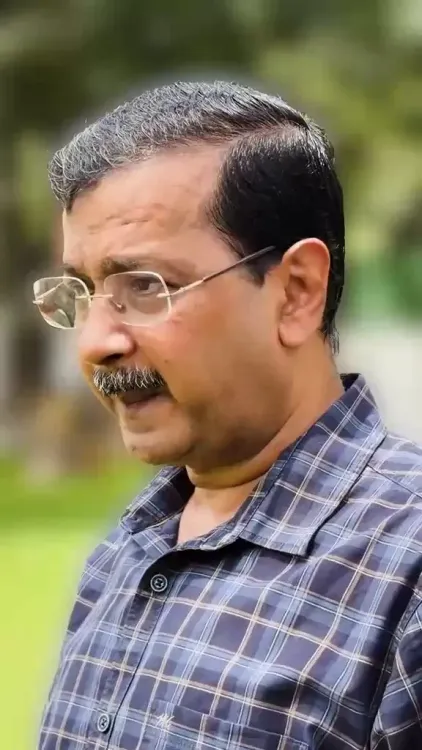
AAP convenor Arvind Kejriwal on 23 May 2026 publicly asked Indians whether the country should buy discounted oil and gas from Russia and Iran, citing rising fuel prices and shortages. The question revives debate over India's energy import strategy amid ongoing geopolitical constraints.
Key Takeaways
AAP convenor Arvind Kejriwal posted on 23 May 2026 asking citizens if India should buy cheap oil and gas from Russia and Iran .
He cited rising fuel and gas prices and shortages across India as the trigger for the question.
India became heavily dependent on discounted Russian crude after 2022, with Russia supplying over 40 per cent of imports by late 2023.
India stopped large-scale Iranian crude imports after US sanctions waivers ended in 2019 .
Expanded Iranian imports remain constrained by US secondary sanctions on Indian refiners and banks.
The post frames the issue as a public question, not a formal policy demand, inviting citizen opinion.
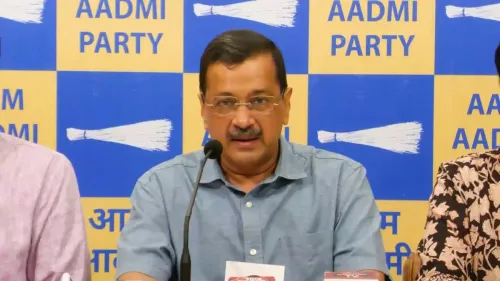
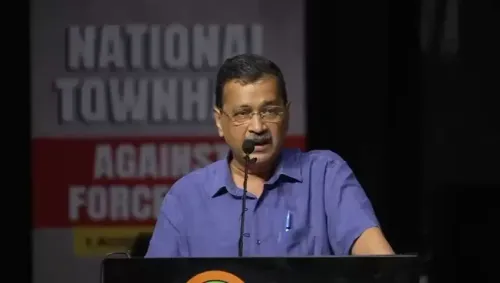
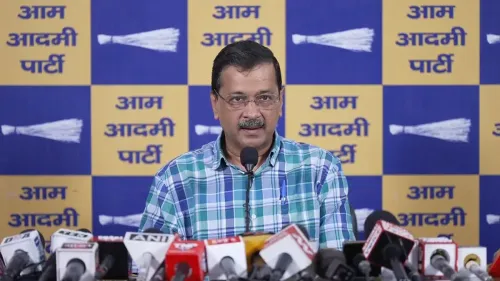
AAP convenor Arvind Kejriwal on Saturday, 23 May 2026, posed a direct public question on rising fuel prices across India, asking citizens whether the country should purchase discounted oil and gas from Russia and Iran, which he said are willing to supply at lower rates.
Context
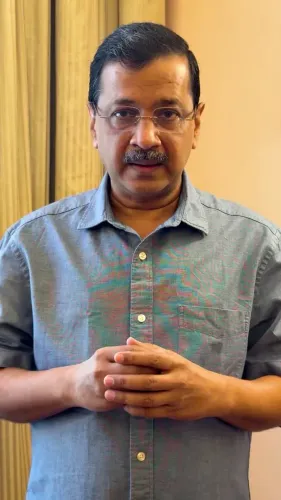
In his post, Kejriwal wrote: 'पूरे देश में तेल-गैस के बढ़ते दामों और किल्लत से हाहाकार मचा हुआ है' ('There is an uproar across the country over rising fuel and gas prices and shortages'). He added that Russia and Iran are ready to supply oil at cheaper rates, and asked citizens: 'What is your opinion — should we buy cheap gas and oil from Russia and Iran?'
The post frames the question as a public consultation, inviting opinion rather than stating a policy demand. It comes against a backdrop of persistent consumer-level anxiety over fuel costs and their downstream effect on transport and household budgets.
Policy Backdrop
India is the world's third-largest oil importer, and its economy is acutely sensitive to crude price swings. Following Russia's invasion of Ukraine in 2022 and subsequent Western sanctions, India sharply scaled up Russian crude purchases, with Russia accounting for over 40 per cent of India's crude imports by late 2023 — a shift successive governments framed as energy security rather than geopolitical alignment.
India had also imported Iranian crude under US sanctions waivers until 2019, after which volumes fell steeply when those waivers ended. Ties with Tehran have been maintained through other channels, including the Chabahar port project, leaving a framework for potential resumption of energy trade.
Stakeholders and Impact
The primary beneficiaries of cheaper imports would be Indian consumers, the transport sector, and oil marketing companies that absorb the gap between international crude costs and retail prices. Any sustained reduction in crude import costs could ease inflationary pressure on petrol, diesel, and cooking gas prices that directly affect household spending.
However, expanded purchases from Iran carry geopolitical risk, as US secondary sanctions remain a live constraint for Indian refiners and banks handling payments. Trade with Russia has continued at scale, though payment and shipping logistics have required ongoing workarounds.
What's Next
Kejriwal's post is likely to generate public debate and could feed into parliamentary questions on fuel pricing mechanisms and long-term energy purchase frameworks. Any formal government response on new bilateral energy agreements with Moscow or Tehran would be the clearest indicator of whether this public conversation translates into policy pressure.
With global crude markets remaining volatile, the question of diversifying and discounting India's energy import basket is expected to remain a central flashpoint in domestic political and economic debate through 2026.
Point of View
Involving sanctions risk, payment infrastructure, and diplomatic signalling. Still, the question lands in fertile ground: consumer fatigue over fuel prices has historically been a potent electoral issue, and framing cheap imports as an obvious solution the government is ignoring is a durable opposition strategy.
NationPress
24 Sept 2026
Frequently Asked Questions
Is India currently buying oil from Russia and Iran?
India has been purchasing large volumes of discounted Russian crude since 2022, with Russia supplying over 40 per cent of imports by late 2023. Iranian crude imports dropped sharply after 2019 when US sanctions waivers ended, though diplomatic ties have been maintained.
Why are fuel prices rising in India in 2026?
Global crude price volatility and supply disruptions have kept domestic fuel costs elevated. India's oil marketing companies pass a portion of these costs to consumers through petrol, diesel, and cooking gas prices.
What did Kejriwal say about oil prices on 23 May 2026?
Kejriwal posted on X asking citizens whether India should buy cheap oil and gas from Russia and Iran, saying both countries are willing to supply at lower prices amid rising fuel costs and shortages across the country.
Can India buy oil from Iran despite sanctions?
India imported Iranian crude under US sanctions waivers until 2019, after which volumes fell steeply. Any resumption at scale would risk triggering US secondary sanctions on Indian banks and refiners, making it a complex geopolitical decision.
What is AAP's position on fuel prices in India?
AAP, led by Arvind Kejriwal, has consistently highlighted fuel price increases as a failure of central government policy. The party has called for price reductions and, in this instance, publicly floated the idea of sourcing cheaper imports from Russia and Iran.