Kejriwal flags Gujarat diesel shortage, urges Centre to buy cheap Russian, Iranian oil
Synopsis
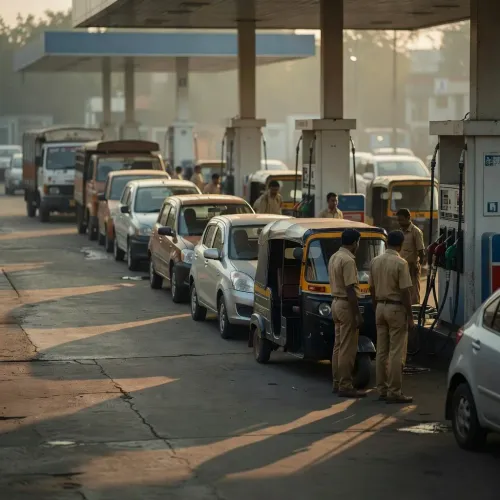
AAP convenor Arvind Kejriwal on 24 May 2026 flagged an alleged diesel shortage in Gujarat, citing long queues at petrol pumps hurting farmers, and demanded the Union government procure discounted crude from Russia and Iran to provide relief.
Key Takeaways
Kejriwal posted on 24 May 2026 alleging that farmers in Gujarat are struggling to obtain diesel, with long queues forming at petrol pumps.
He called on the Union government to buy crude oil from Russia and Iran at discounted prices to ease the fuel crisis.
India raised its share of Russian crude imports from under 2 per cent to over 20 per cent of total imports between 2022 and late 2023 .
India halted significant Iranian crude purchases in May 2019 after the US withdrew a sanctions waiver; resuming them would require navigating active secondary sanctions.
Diesel supply is critical for Gujarat's agricultural sector, powering irrigation pumps, tractors, and farm transport.
The Ministry of Petroleum and Natural Gas had not issued an official response at the time of publication.
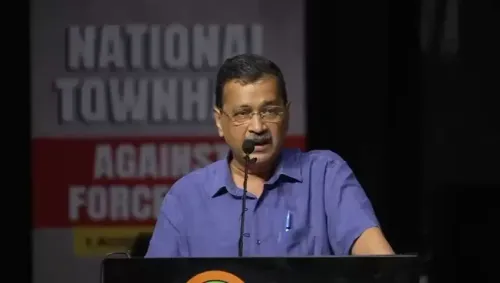
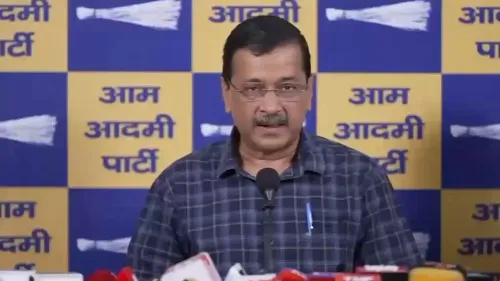
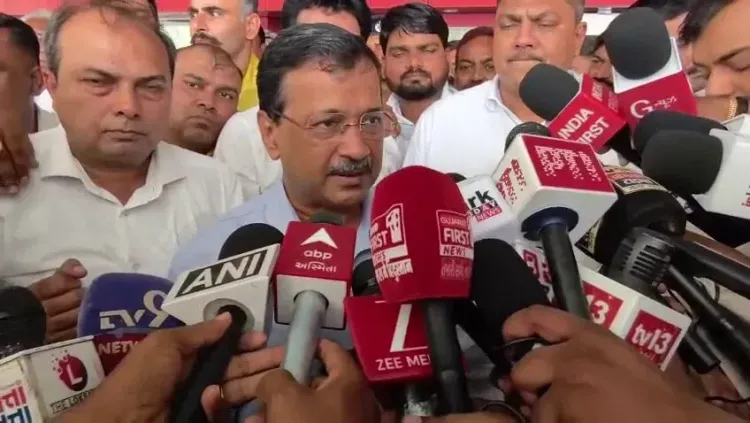
AAP convenor Arvind Kejriwal on Sunday, 24 May 2026 raised the alarm over an alleged diesel shortage in Gujarat, claiming farmers in the state are facing severe difficulties obtaining fuel and that long queues have formed at petrol pumps. He called on the Union government to procure crude oil from Russia and Iran at discounted rates to ease the crisis for citizens.
Context
Kejriwal posted in Hindi on X, stating: 'Gujarat mein kisanon ko diesel lene mein bahut pareshani ho rahi hai. Petrol pumpon par lambi-lambi lainein lagi hain.' ['Farmers in Gujarat are facing great difficulty obtaining diesel. Long queues have formed at petrol pumps.'] He followed this with a direct demand: the central government should buy oil cheaply from Russia and Iran to provide relief to the people of the country from this crisis.
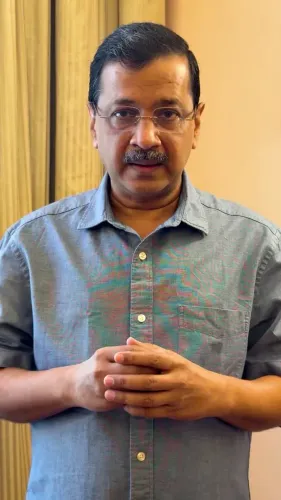
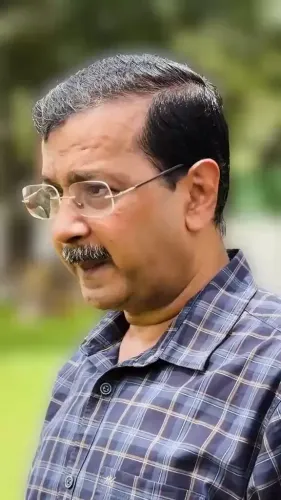
The post included a video, which Kejriwal appears to have used as supporting evidence of the ground situation. The specific details of the video's contents could not be independently verified at the time of publication.
Policy Backdrop
India has maintained a flexible crude procurement strategy since the February 2022 Russian invasion of Ukraine triggered Western sanctions on Moscow. Russian crude's share of India's total oil imports rose from under 2 per cent to over 20 per cent by late 2023, as state refiners capitalised on steeply discounted prices. The strategy has been defended by successive governments on grounds of energy security and price stability.
On Iran, India was historically one of Tehran's largest crude customers but curtailed purchases after the United States withdrew a sanctions waiver in May 2019. Resuming Iranian imports would require navigating active US secondary sanctions — a significant diplomatic and trade consideration for New Delhi.
Stakeholders and Impact
Gujarat's agricultural sector is heavily dependent on diesel for irrigation pumps, tractors, and farm transport, making any supply disruption acutely felt during the sowing or harvesting season. Farmers represent a politically sensitive constituency in the state, and fuel availability directly affects input costs and crop timelines.
Kejriwal's intervention follows a broader opposition pattern of highlighting regional fuel availability and pricing concerns to question central government procurement and distribution policies. The Aam Aadmi Party has no state government in Gujarat but has sought to build a presence there in recent election cycles.
What's Next
Attention will now turn to whether the Ministry of Petroleum and Natural Gas responds to the shortage claims or announces any additional Russian crude contracts or supply coordination measures for Gujarat. Any official state-level acknowledgement of pump-level shortages would add weight to Kejriwal's charge.
The episode also revives the debate over whether India should formally re-engage with Iranian crude suppliers — a move that would require careful balancing of energy economics against the country's broader foreign policy and trade relationships with the United States.
Point of View
Putting the ruling establishment on the defensive over both fuel distribution and foreign-policy choices. The dual demand — buy Russian and Iranian crude — is politically loaded: the Russian ask is relatively uncontroversial given established precedent, but the Iranian ask deliberately raises the spectre of sanctions friction with Washington, a pressure point for any sitting government. The post fits a well-worn AAP playbook of amplifying state-level distress to contest the BJP's stronghold narrative in Gujarat. Whether the shortage claim gains traction will depend on corroboration from the ground, but the framing has already shifted the burden of response to the Centre.
NationPress
9 Oct 2026
Frequently Asked Questions
Why is there a diesel shortage in Gujarat for farmers?
Kejriwal has alleged that farmers in Gujarat are facing difficulty obtaining diesel and that long queues have formed at petrol pumps, though the exact cause of any shortage had not been officially confirmed at the time of his post on 24 May 2026.
Does India buy oil from Russia?
Yes. India significantly increased Russian crude purchases after the February 2022 Ukraine invasion, with Russia's share of India's total oil imports rising from under 2 per cent to over 20 per cent by late 2023, as Indian refiners took advantage of discounted prices.
Can India buy oil from Iran?
India sharply curtailed Iranian crude imports after the United States withdrew a sanctions waiver in May 2019. Resuming large-scale purchases would require navigating active US secondary sanctions, making it a complex diplomatic and trade decision.
What did Kejriwal say about the Gujarat diesel crisis?
Kejriwal said farmers in Gujarat are facing great difficulty obtaining diesel and long queues have formed at petrol pumps. He demanded the Union government buy crude cheaply from Russia and Iran to provide relief to citizens.
Why is diesel important for Gujarat farmers?
Diesel powers irrigation pumps, tractors, and farm transport in Gujarat's large agricultural sector, making reliable and affordable supply critical to planting, cultivation, and harvesting operations.