Kejriwal visits Hanuman Garhi temple in Ayodhya
Synopsis
AAP convenor Arvind Kejriwal visited the Hanuman Garhi temple in Ayodhya on 26 June 2026, receiving blessings of Bajrangbali and meeting Mahant Dharmdas and other saints, in a visit that underscores Ayodhya's growing centrality in Indian political and cultural life.
Key Takeaways
Arvind Kejriwal , AAP national convenor, visited Hanuman Garhi temple in Ayodhya on 26 June 2026 .
He sought the blessings of Bajrangbali at the historic temple dedicated to Lord Hanuman.
Kejriwal met Mahant Dharmdas ji and other saints and sages during the visit.
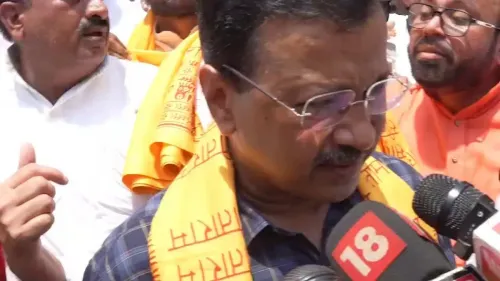
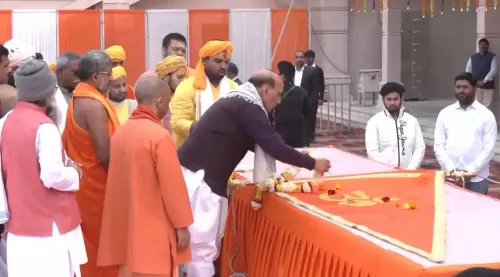
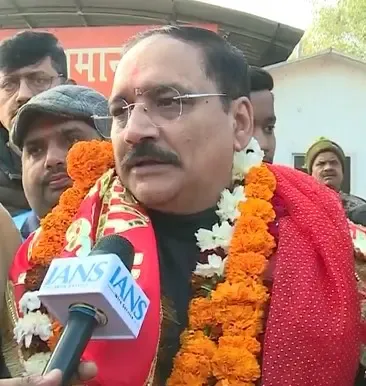
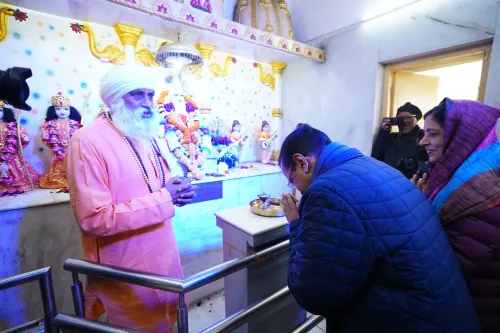
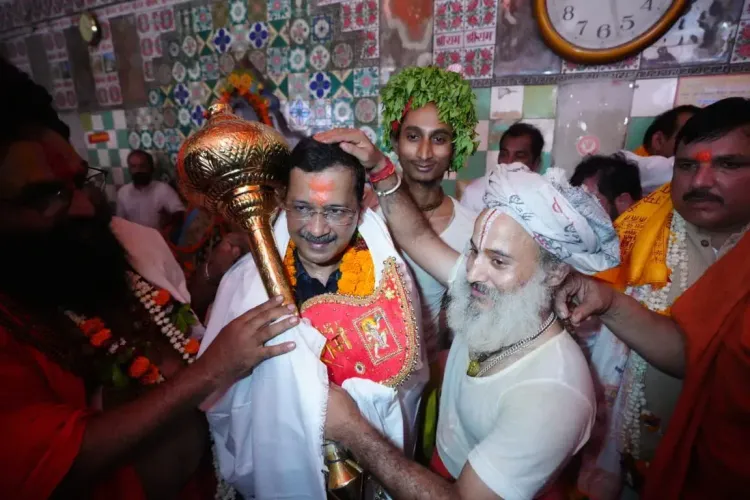
The visit was documented with four photographs shared on X.
Hanuman Garhi is one of Ayodhya's most prominent temples, drawing lakhs of pilgrims annually.
The visit reflects a broader pattern of Indian political leaders engaging with religious sites in Ayodhya .
AAP convenor Arvind Kejriwal visited the Hanuman Garhi temple in Ayodhya, Uttar Pradesh, on Friday, 26 June 2026, seeking the blessings of Bajrangbali and spending time in the company of Mahant Dharmdas and other saints and sages at the revered shrine.
Context
Kejriwal shared the visit on X, writing: 'Aaj Ayodhya mein Shri Hanuman Garhi mandir mein Bajrangbali ka aashirvaad prapt hua' ('Today, at the Shri Hanuman Garhi temple in Ayodhya, I received the blessings of Bajrangbali'). He added that he was fortunate to be in the presence of Mahant Dharmdas ji and other saints and sages. The post was accompanied by four photographs from the visit.
Hanuman Garhi is one of the most prominent temples in Ayodhya, dedicated to Lord Hanuman. Situated atop a hillock in the heart of the city, it draws lakhs of pilgrims each year and is considered a spiritually significant site before any visit to the broader Ram Janmabhoomi complex.
Policy Backdrop
Indian political leaders across the spectrum have increasingly made public visits to religious sites in Ayodhya, particularly following the heightened national focus on the city as a centre of Hindu religious life. Such visits are seen as part of broader cultural outreach by parties seeking to engage with the sentiments of Hindu devotees.
AAP leaders have periodically participated in temple visits and religious events as part of the party's public engagement strategy. Kejriwal himself has previously invoked religious themes and visited temples in Delhi and other states during politically significant periods.
Stakeholders and Impact
Hindu devotees and residents of Ayodhya regard Hanuman Garhi as a deeply sacred site, and visits by national political figures tend to draw attention to the temple's spiritual significance. Mahant Dharmdas, who was among the saints present, is a prominent religious figure associated with the Ayodhya temple circuit.
Political observers note that such visits by opposition leaders to Ayodhya reflect the city's growing centrality in India's political and cultural discourse. The presence of senior AAP leadership at the shrine is likely to be watched closely by both party supporters and rivals.
What's Next
It remains to be seen whether Kejriwal's Ayodhya visit will be followed by further engagements with religious or cultural institutions in Uttar Pradesh, a state where AAP has been seeking to expand its footprint. Any statements by AAP leadership on religious or cultural policy in the coming days will be closely tracked by political analysts ahead of upcoming electoral cycles.
Point of View
A city whose symbolic weight in Indian politics has grown considerably in recent years. For AAP, which has long sought to balance a secular image with active engagement in Hindu religious spaces, such visits serve a dual purpose: signalling cultural sensitivity to a broad electorate while building grassroots connections in Uttar Pradesh. The presence of Mahant Dharmdas — a figure with standing in Ayodhya's religious establishment — lends the visit an institutional dimension beyond a routine pilgrimage. Analysts will watch whether this engagement translates into a sustained AAP push in UP's religious and cultural corridors ahead of future elections.
NationPress
26 Jun 2026
Frequently Asked Questions
Why did Arvind Kejriwal visit Ayodhya?
Arvind Kejriwal visited Ayodhya on 26 June 2026 to seek the blessings of Bajrangbali at the Hanuman Garhi temple and to meet Mahant Dharmdas and other saints, as shared by him on X.
What is Hanuman Garhi temple in Ayodhya?
Hanuman Garhi is one of Ayodhya's most prominent and historic temples, dedicated to Lord Hanuman. It is situated atop a hillock in the city and attracts lakhs of pilgrims every year.
Who is Mahant Dharmdas?
Mahant Dharmdas is a prominent religious figure associated with Ayodhya's temple circuit. Kejriwal mentioned meeting him along with other saints during his visit to Hanuman Garhi on 26 June 2026.
Has Kejriwal visited Ayodhya before?
AAP leaders, including Kejriwal, have periodically participated in temple visits and religious events as part of the party's cultural outreach, though this specific June 2026 visit to Hanuman Garhi is the occasion being reported here.
What is AAP's political presence in Uttar Pradesh?
AAP has been working to expand its footprint in Uttar Pradesh beyond its stronghold in Delhi. Visits to significant religious sites like Hanuman Garhi in Ayodhya are seen as part of the party's broader outreach efforts in the state.