CM Hemant Soren directs Jamtara DC to aid children Manju, Sushil
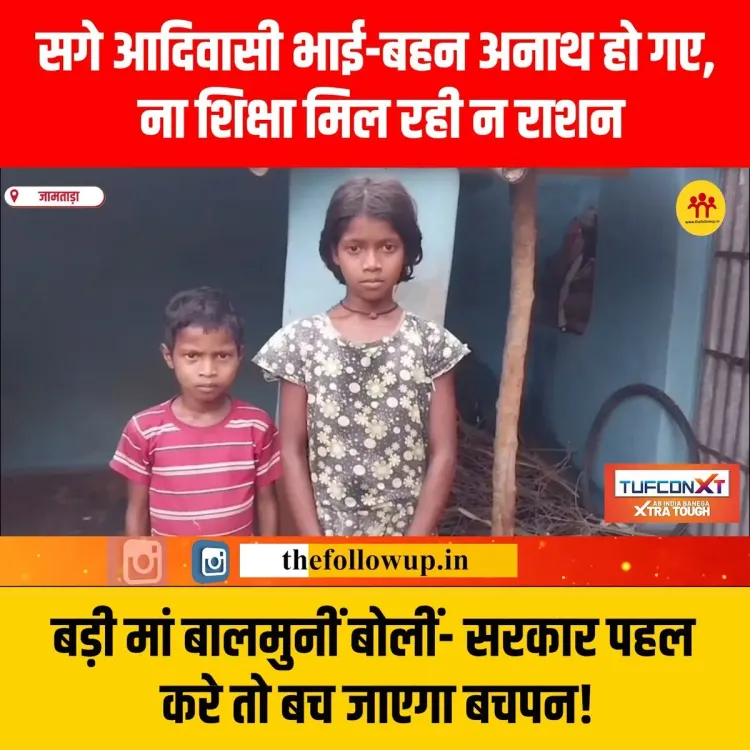
Synopsis
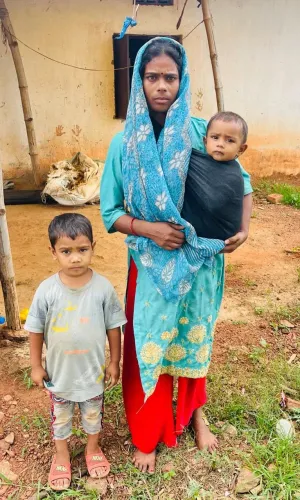
Jharkhand CM Hemant Soren publicly directed the Jamtara Deputy Commissioner on 27 June 2026 to investigate, provide educational support to children Manju and Sushil, and connect their guardian Balmuni to all applicable government welfare schemes.
Key Takeaways
CM Hemant Soren issued a public directive on 27 June 2026 via X to the Jamtara Deputy Commissioner .
The directive covers educational assistance for two minors, Manju and Sushil , whose circumstances prompted the intervention.
Guardian Balmuni is to be enrolled in all applicable government welfare and social-security schemes.
The administration has been asked to investigate the case and report back to the Chief Minister.
The intervention aligns with Jharkhand's broader push to link vulnerable rural and tribal households to entitlements under the Right to Education Act and state supplementary schemes.
The public nature of the directive places the Jamtara district administration on record before a wide audience.
Jharkhand Chief Minister Hemant Soren on Friday, 27 June 2026, publicly directed the Jamtara Deputy Commissioner via X to investigate the case of two minors, Manju and Sushil, and ensure all necessary support for their education. He also ordered that their guardian, Balmuni, be linked to every applicable government welfare scheme.
Context
Posting in Hindi, CM Soren addressed @dcjamtara directly, writing: 'उक्त मामले की जांच कर नौनिहालों मंजू और सुशील की शिक्षा हेतु हर जरूरी सहायता प्रदान कर सूचित करें' — ('Investigate the said matter, provide every necessary assistance for the education of the young children Manju and Sushil, and inform me'). He further instructed officials to ensure that their guardian Balmuni is connected to all relevant government schemes and that the administration reports back on action taken.
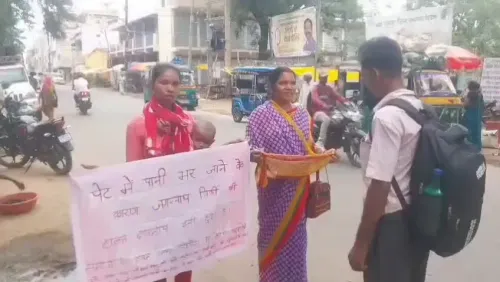
The directive, issued through a public post, is a form of real-time accountability that places the district machinery on record before a wide audience. The specific incident that brought the children's situation to the Chief Minister's attention has not been independently verified.
Policy Backdrop
The intervention draws on a layered architecture of central and state welfare programmes. The Right to Education Act, 2009 guarantees free and compulsory schooling to all children between the ages of 6 and 14, and Jharkhand's district administrations are the primary delivery mechanism for its implementation. The state has supplemented this central mandate with scholarship programmes, nutrition support, and social-security linkages targeting vulnerable households since the mid-2010s.
Since taking office in 2019, CM Soren has periodically directed district-level reviews of school enrolment and entitlement delivery. Jamtara, a predominantly rural district in eastern Jharkhand with a significant tribal population, falls within the priority geography for such welfare outreach. Guardian Balmuni may be eligible for pensions, widow or single-parent support, and nutrition schemes depending on the household's socio-economic profile.
Stakeholders and Impact
At the centre of the directive are Manju and Sushil, two children whose access to education and state entitlements now depends on the speed and thoroughness of the Jamtara DC's response. Their guardian Balmuni stands to be enrolled in social-security schemes that could provide financial stability alongside the children's schooling support.
For the broader rural and tribal population of Jamtara, the public nature of the Chief Minister's directive signals that similar cases can be escalated through social media and receive executive attention. District officials are now publicly accountable for reporting back on both the education assistance and the scheme-linkage action.
What's Next
The Jamtara Deputy Commissioner is expected to file a compliance report to the Chief Minister's office detailing the investigation findings, the educational support extended to Manju and Sushil, and the specific schemes to which Balmuni has been connected. Observers of Jharkhand's welfare delivery will watch whether the response is documented publicly, which would set a precedent for transparency in similar social-media-directed interventions.
If the administration's follow-through is swift and visible, it could reinforce the use of direct executive social-media directives as a tool for last-mile welfare delivery across other districts in the state.
Point of View
Blending personalised grievance redressal with the delivery infrastructure of centrally sponsored schemes. The directive also signals that the Jharkhand government is keen to demonstrate last-mile reach in districts with high tribal and rural vulnerability. Whether the follow-through is documented publicly will determine how much replicable value this intervention model actually carries.
NationPress
26 Jun 2026
Frequently Asked Questions
Why did Hemant Soren post about Manju and Sushil on X?
CM Hemant Soren used X to publicly direct the Jamtara Deputy Commissioner to investigate the children's case and provide educational support, ensuring the administration is held accountable before a public audience.
What help will Manju and Sushil receive from the Jharkhand government?
The Jamtara DC has been instructed to provide all necessary assistance for their education, which may include enrolment support and scholarships under the Right to Education Act and state supplementary schemes.
Who is Balmuni and why is the government linking her to schemes?
Balmuni is the guardian of Manju and Sushil. CM Soren directed officials to connect Balmuni to all applicable government welfare schemes, which could include pensions, nutrition support, and financial assistance for vulnerable households.
What is the role of the Jamtara Deputy Commissioner in this case?
The Jamtara DC is the district's senior administrative officer and is responsible for investigating the case, delivering educational support to the children, enrolling the guardian in welfare schemes, and reporting back to the Chief Minister.
How does Jharkhand support children's education under government schemes?
Jharkhand implements the Right to Education Act, 2009, which guarantees free schooling for children aged 6 to 14, and supplements it with state-level scholarships, nutrition programmes, and social-security linkages for vulnerable families.