Kenyan cadet Antony Kalenge on IMA training: leadership, resilience, and 'Jai Hind'
Synopsis
A Kenyan officer cadet ending his IMA address with 'Jai Hind' is more than a feel-good moment — it is a window into India's deliberate use of military training diplomacy to anchor its Africa strategy. With a fresh five-year defence roadmap signed in Nairobi and an 80,000-strong diaspora as social capital, the India-Kenya partnership is quietly becoming one of India's most textured bilateral relationships on the continent.
Key Takeaways
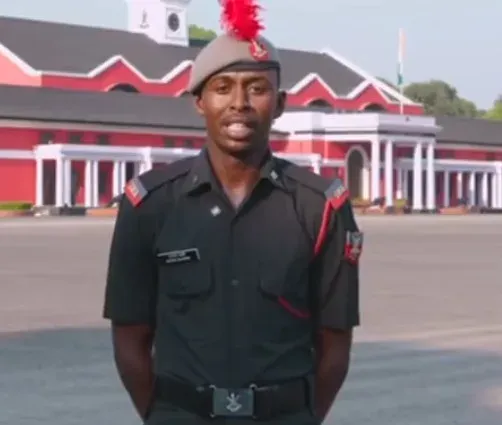
Foreign Officer Cadet Antony Kalenge of Kenya is undergoing training at the Indian Military Academy (IMA) , Dehradun .
The Indian Army released a video message from Kalenge on 8 June in which he described the IMA's focus on leadership, resilience, and teamwork.
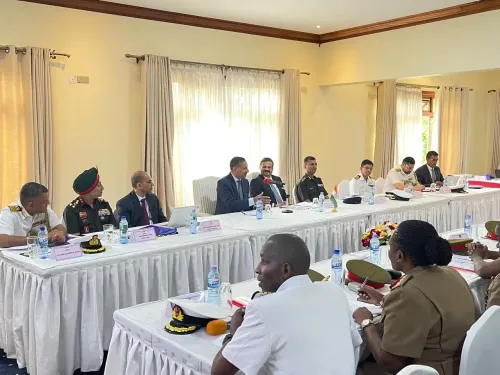
The fourth JDCC meeting in Nairobi in February 2025 produced a five-year roadmap for deeper India-Kenya military ties and maritime security.
The Indian diaspora in Kenya numbers around 80,000 and has contributed significantly to commerce, education, and healthcare.
Bilateral institutional mechanisms include the JCM (1999) , JTC (1983) , FOC (2003) , and JDCC (2019) .
Foreign Officer Cadet Antony Kalenge of Kenya is currently undergoing training at the Indian Military Academy (IMA) in Dehradun, becoming one of the latest symbols of deepening India-Kenya defence cooperation. In a video message released by the Indian Army on Monday, 8 June, Kalenge shared candid reflections on how the IMA's rigorous programme is shaping him into a military officer.
Training That Builds More Than Soldiers
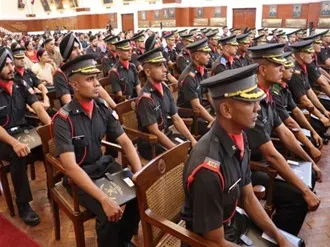
Kalenge described the IMA's curriculum as physically demanding and mentally challenging, designed to forge disciplined, confident, and responsible military leaders. He highlighted that exercises are deliberately conducted under fatigue and pressure, training cadets to remain calm and focused in the most difficult situations. 'No mission can succeed through individual efforts alone,' he noted, underscoring the academy's emphasis on teamwork.
On leadership, Kalenge said cadets are expected to motivate their teams, make quick decisions, and take full responsibility during missions and exercises. 'Leadership from the front is another core value taught during training,' he added. He concluded his message — which ran approximately 90 minutes — with 'Jai Hind', a gesture widely noted for its symbolic resonance.
The Bilateral Framework Behind the Exchange
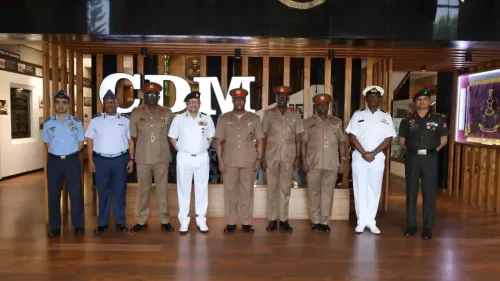
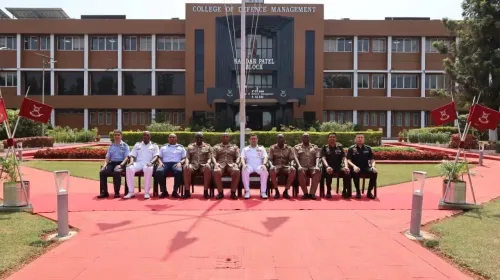
Kalenge's presence at the IMA is part of a structured defence partnership that has grown steadily over the past decade. The fourth Joint Defence Cooperation Committee (JDCC) meeting, held in Nairobi in late February 2025, produced a five-year roadmap to deepen military ties, expand training exchanges, and strengthen maritime security. The JDCC itself was established in 2019.
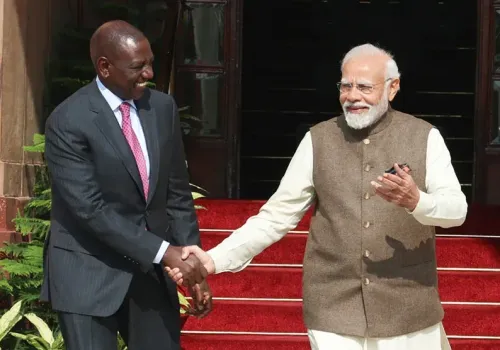
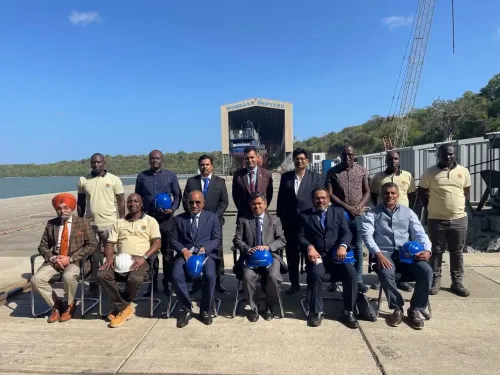
Beyond defence, bilateral institutional mechanisms include the Joint Commission Meeting (JCM) at the Foreign Minister level, set up in 1999; the Joint Trade Committee (JTC) at the Ministerial level, dating to 1983; and Foreign Office Consultations (FOC), instituted in 2003. Both nations are members of the Commonwealth and collaborate in multilateral forums including the United Nations and the African Union.
A Diaspora and Shared History That Binds Both Nations
India and Kenya share a common legacy of anti-colonial struggle, with many Indians having participated in and supported Kenya's freedom movement. The Indian diaspora in Kenya, now numbering around 80,000, has contributed significantly to commerce, education, and healthcare, with several Kenyans of Indian origin distinguishing themselves as lawyers, judges, doctors, and academics.
Contemporary ties are further reinforced by high-level diplomatic exchanges, robust trade and investment flows, and growing medical value travel from Kenya to India. This people-to-people depth gives the defence partnership a broader civilisational grounding that few bilateral military ties can claim.
What Kalenge's Experience Signals
'Overall, training at the IMA prepares future officers to serve their nation with courage, professionalism, discipline, and a strong sense of duty,' Kalenge stated. His account is not merely personal testimony — it is a public signal of how India is leveraging its premier military institutions to build long-term strategic relationships across Africa. As India deepens its Africa outreach, training partnerships of this kind are expected to expand further in the years ahead.
Point of View
High-trust instrument — it creates officer-level relationships that outlast any government and shapes how the next generation of African militaries perceives India. The India-Kenya JDCC roadmap and the diaspora network give this partnership unusual depth, but the real test will be whether India converts training goodwill into concrete maritime and logistics cooperation in the Indian Ocean region, where China's presence is growing.
NationPress
23 Oct 2026
Frequently Asked Questions
Who is Antony Kalenge and where is he training?
Antony Kalenge is a Foreign Officer Cadet from Kenya currently undergoing training at the Indian Military Academy (IMA) in Dehradun, India. He shared his experiences in a video message released by the Indian Army on 8 June.
What does IMA training involve, according to Kalenge?
Kalenge described the training as physically demanding and mentally challenging, focused on building leadership, teamwork, and resilience. Exercises are conducted under fatigue and pressure to prepare cadets for difficult operational situations.
What is the India-Kenya JDCC and what did it agree on recently?
The Joint Defence Cooperation Committee (JDCC) is a bilateral defence mechanism established in 2019. Its fourth meeting, held in Nairobi in February 2025, produced a five-year roadmap to deepen military ties, expand training exchanges, and strengthen maritime security.
How large is the Indian diaspora in Kenya?
The Indian diaspora in Kenya numbers around 80,000 and has played a significant role in commerce, education, and healthcare. Several Kenyans of Indian origin have distinguished themselves as lawyers, judges, doctors, and academics.
What other bilateral mechanisms exist between India and Kenya?
Beyond the JDCC, India and Kenya operate through the Joint Commission Meeting (JCM) at Foreign Minister level (1999), the Joint Trade Committee (JTC) at Ministerial level (1983), and Foreign Office Consultations (FOC) instituted in 2003. Both nations also collaborate in the Commonwealth, UN, and African Union.