Sonia Gandhi memoir row: Kerala CM Satheesan slams Penguin over 'censorship'
Synopsis
Kerala CM V.D. Satheesan has accused the Centre of pressuring Penguin Random House India into demanding edits to Sonia Gandhi's memoir — including references to PM Modi, the RSS, and China. The Indian publication deal has reportedly collapsed, while the book heads for a global release on 10 November. The row has ignited a national debate on editorial freedom and institutional independence.
Key Takeaways
Satheesan on 29 August publicly attacked Penguin Random House India over the Sonia Gandhi memoir controversy via a post on X .
Penguin Random House India reportedly sought changes to portions of the memoir referencing PM Narendra Modi , the RSS , and China .
Sonia Gandhi is understood to have rejected the proposed changes; the Indian publication deal has reportedly fallen through.
The memoir, 'Belonging: A Journey of Love' , is set for international release on 10 November through Alfred A.
Knopf , a Penguin Random House imprint.
Satheesan alleged the controversy is the result of pressure from the Central government , calling it 'institutional cowardice.' The dispute has triggered a wider national debate on editorial freedom and publisher conduct around politically sensitive content.
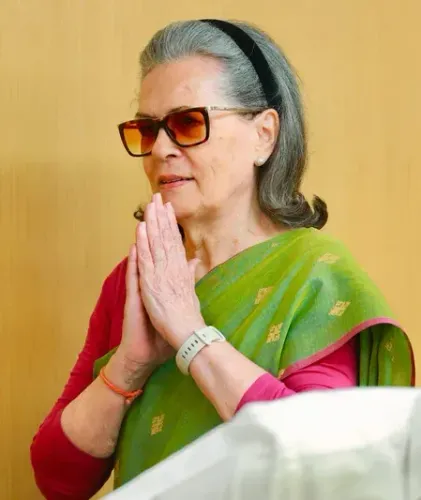
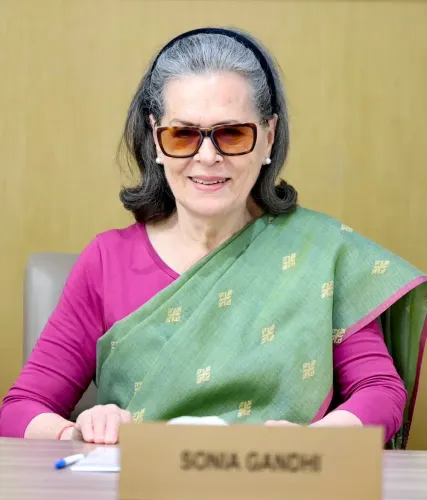
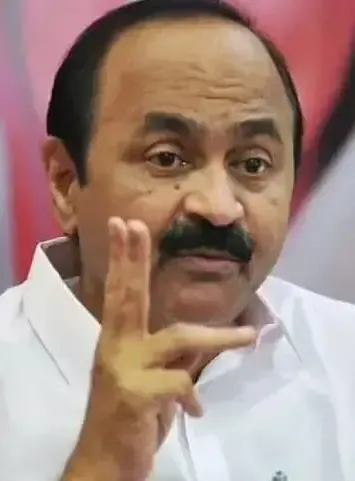
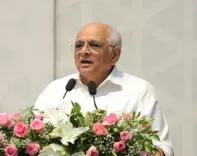
Kerala Chief Minister V.D. Satheesan on Saturday, 29 August launched a sharp attack on Penguin Random House India over the controversy surrounding the Indian publication of Congress leader Sonia Gandhi's memoir, 'Belonging: A Journey of Love', alleging that the publishing house had bowed to pressure from the Centre. Satheesan's remarks, posted on social media platform X, come after reports emerged that the Indian publication deal had collapsed following a dispute over proposed editorial changes.
What the Controversy Is About
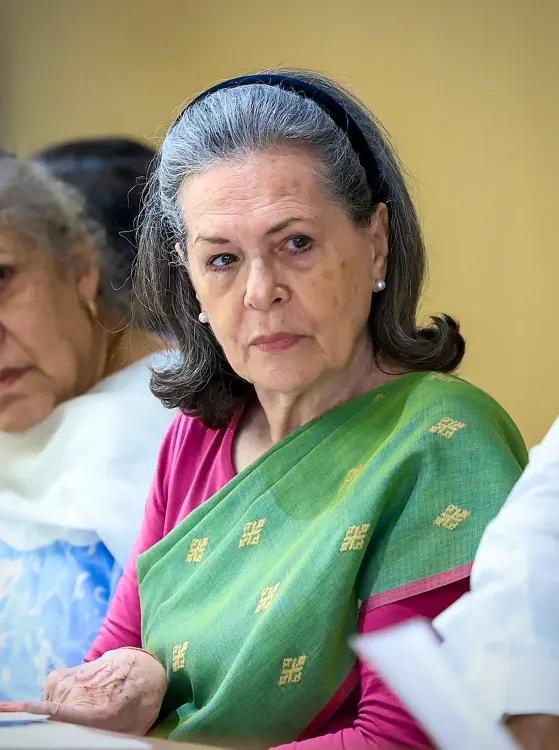
Reports indicate that Penguin Random House India had sought changes to certain portions of Sonia Gandhi's memoir before agreeing to publish it in India. The reported changes concerned references to Prime Minister Narendra Modi, the Rashtriya Swayamsevak Sangh (RSS), and China. Sonia Gandhi is understood to have disagreed with the proposed alterations, after which the Indian publication deal reportedly fell through. The book is scheduled for an international release on 10 November through Alfred A. Knopf, a Penguin Random House imprint.
What Kerala CM Satheesan Said
Satheesan did not mince words in his post on X, directly accusing the Centre of governing through intimidation. 'A publishing house that compromises its spine compromises democracy itself,' he wrote. He questioned why a global publisher would release the book in its original form worldwide but seek to edit it for Indian readers. 'When a global publisher can release a book worldwide in its original form, why the sudden urge to censor and edit facts in India?' he asked. He attributed what he called 'institutional cowardice' to pressure from the Central government, adding: 'Truth cannot be edited away to appease those in power.' Satheesan also argued that suppressing facts only reveals a fear of accountability. 'In a thriving democracy, facts must be met with debate, not institutional capitulation,' he said.
The Memoir and Its Scope
Sonia Gandhi's memoir is expected to cover her early life in Italy, her marriage to former Prime Minister Rajiv Gandhi, and her decades at the centre of Indian politics as the leader of the Indian National Congress (INC). Given the breadth of its subject matter — spanning personal history and decades of Indian political life — the book was always likely to contain content that some would find politically sensitive. The dispute over its Indian publication has now widened into a national debate over editorial freedom and the responsibility of publishers when handling politically charged material.
Broader Political Fallout
The row has rapidly escalated into a significant political flashpoint. Critics argue that the reported demand for changes reflects a broader chilling effect on free expression under the current Central government — an allegation the government has not publicly responded to, according to reports. Notably, this is not the first time questions have been raised about the publishing or broadcasting of content critical of the ruling establishment in India. The controversy adds fresh ammunition to the opposition's long-running narrative about press freedom and institutional independence under the Bharatiya Janata Party (BJP)-led Centre. With the book's international release set for 10 November, attention will now turn to whether an Indian edition eventually materialises — and in what form.
Point of View
But for the question of who effectively controls what Indians can read about their own political history. Penguin Random House is a global major with a stated commitment to editorial independence; that it reportedly sought changes to content about the sitting Prime Minister and the RSS before an Indian release raises questions it has not yet publicly answered. Satheesan's intervention is politically convenient for the opposition, but the underlying issue — whether publishers self-censor under perceived government pressure — deserves scrutiny independent of the electoral calculus. India's press freedom rankings have slipped sharply in recent years, and this episode, if the reports are accurate, fits a documented pattern rather than being an isolated incident.
NationPress
29 Aug 2026
Frequently Asked Questions
What is the Sonia Gandhi memoir controversy about?
The controversy centres on reports that Penguin Random House India sought changes to portions of Sonia Gandhi's memoir 'Belonging: A Journey of Love' before agreeing to publish it in India. The reported changes involved references to PM Narendra Modi, the RSS, and China. Sonia Gandhi is understood to have rejected the changes, and the Indian publication deal has reportedly collapsed.
What did Kerala CM V.D. Satheesan say about the memoir row?
Satheesan posted on X accusing Penguin Random House India of 'institutional cowardice' and alleging the controversy was the direct result of pressure from the Central government. He argued that a publisher which compromises its editorial independence undermines democracy, and questioned why the book could be released globally in its original form but not in India.
Will Sonia Gandhi's memoir be published internationally?
Yes. The book is scheduled for international release on 10 November through Alfred A. Knopf, a Penguin Random House imprint, in its original form. It is only the Indian publication that has reportedly fallen through following the dispute over editorial changes.
What does Sonia Gandhi's memoir cover?
The memoir is expected to cover Sonia Gandhi's early life in Italy, her marriage to former Prime Minister Rajiv Gandhi, and her long years at the centre of Indian politics as Congress president. It is understood to include references to PM Narendra Modi, the RSS, and China, which were the subject of the reported editorial dispute.
Why has the memoir row become a political issue?
The controversy has become a flashpoint because opposition leaders, including Kerala CM Satheesan, allege it reflects broader government pressure on institutions to suppress criticism. It has reignited debate over editorial freedom, press independence, and the space available for politically sensitive content in India.