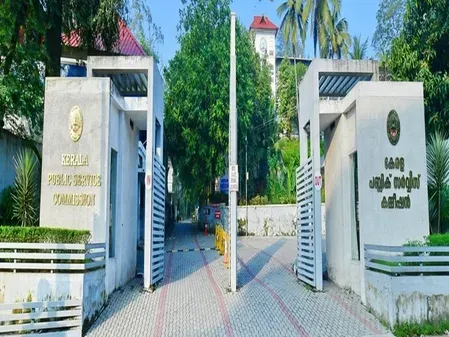
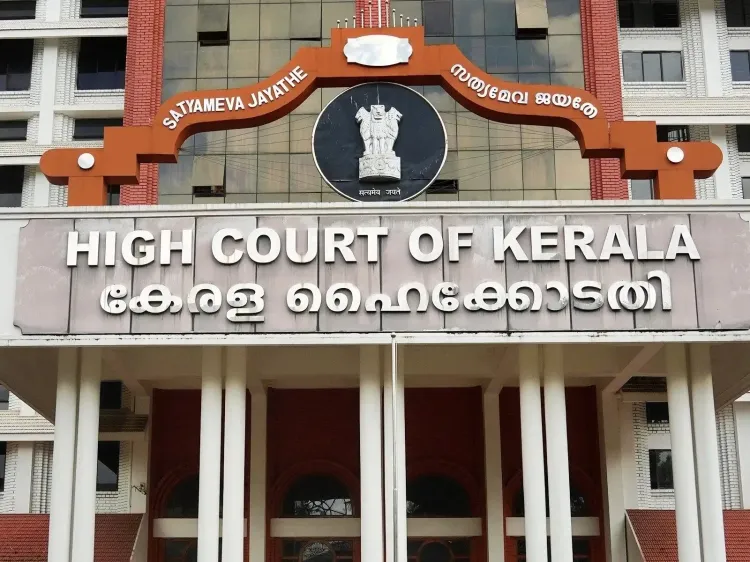
Kerala HC grills PSC on 58-mark evaluation lapse, asks if it is blatant corruption
Synopsis
The Kerala High Court refused to let the PSC off the hook on Monday, asking point-blank whether leaving 58 marks unevaluated in a Planning Board exam was blatant corruption rather than a clerical slip. With over 150 complaints filed, 228 candidates affected, and the Crime Branch blocked by non-cooperating officials, the case is shaping up as a landmark test of accountability for constitutional recruitment bodies.
Key Takeaways
The Kerala High Court on 5 October 2026 questioned whether the PSC's failure to evaluate 58 marks in a Planning Board exam amounted to blatant corruption .
All 228 candidates who appeared for the exam were affected; ten questions in the first paper were left unevaluated.
The state government told the court that more than 150 complaints have been filed against the PSC and that the PSC Chairman and members are not cooperating with the Crime Branch .
The court warned that if PSC officials continue to skip investigative notices, the government should consider stringent action .
The current PSC — a Chairman and 15 members — was appointed under the previous Pinarayi Vijayan -led government, adding a political dimension to the controversy.
The PSC has approached the High Court to quash criminal proceedings , arguing the lapse was inadvertent; the government contests this, calling it sophisticated manipulation .
The Kerala High Court on Monday, 5 October 2026, placed the state's Public Service Commission (PSC) under intense judicial scrutiny, questioning whether the failure to evaluate answers carrying 58 marks in a State Planning Board recruitment examination amounted to blatant corruption — and whether a dedicated mechanism should exist to probe alleged crimes within the constitutional recruitment body. The pointed observations came as the court heard the PSC's challenge to a Crime Branch investigation into the irregularities.
What the Court Said
The bench questioned how answers worth 58 marks could simply go unevaluated, calling the allegation extremely serious. It stressed that the PSC is the institution on which lakhs of job aspirants depend, and that its credibility — along with the hopes of the younger generation — must be protected at all costs. The court also questioned why PSC officials had failed to appear before the investigating team despite being served notices, observing that they carried a moral responsibility to cooperate. It warned that if absences continued, the government should consider stringent action.
Government Pushes Back on 'Clerical Error' Defence
The state government firmly opposed the PSC's contention that the evaluation lapse was a mere clerical or technical error. 'Leaving 58 marks unevaluated cannot be justified as a clerical mistake,' the government counsel argued in court. The government went further, contending that the lapse was the result of sophisticated manipulation that could not be explained away as an ordinary administrative oversight. It also informed the court that more than 150 complaints had been raised against the PSC, and that the PSC Chairman and members were not cooperating with the investigation.
The Examination at the Centre of the Controversy
The recruitment that triggered the controversy was conducted for three Chief-level posts in the Planning Board. The notification for the senior post was issued in 2022, and the examination was held in July 2023. A total of ten questions in the common first paper, collectively carrying 58 marks, were not evaluated — a lapse that affected all 228 candidates who appeared, according to investigators. Rank lists were subsequently published and appointments were made to two posts before the irregularity came to light.
Political Backdrop and PSC Composition
The controversy carries added political weight: the current PSC comprises a Chairman and 15 members, all appointed during the previous Pinarayi Vijayan-led Left Democratic Front (LDF) government. The Planning Board recruitment that sparked the row was also initiated under that administration. Under the Constitution, the Chairman and members of a State PSC hold office for six years or until they attain the age of 62, whichever is earlier — meaning the current incumbents remain in position despite the change in political circumstances.
What the Crime Branch Is Examining
The Crime Branch is investigating whether the evaluation failure was a genuine oversight or a deliberate act intended to benefit particular candidates. The PSC has moved the High Court seeking to quash the criminal proceedings, maintaining that the lapse was inadvertent and challenging the government's prosecution sanction. The court's refusal to accept that framing at face value signals that the case is unlikely to be resolved without deeper accountability. How the court rules on the PSC's quashing petition will set a precedent for the limits of investigative jurisdiction over constitutional bodies in Kerala.
Point of View
But whether the rank lists and appointments that followed must now be revisited — a consequence that mainstream coverage has so far underplayed.
NationPress
5 Oct 2026
Frequently Asked Questions
What is the Kerala PSC 58-marks unevaluated case about?
It concerns a recruitment examination held in July 2023 for three Chief-level posts in the Kerala State Planning Board, in which ten questions carrying a combined 58 marks were never evaluated. The lapse affected all 228 candidates who appeared, and the Crime Branch is investigating whether it was a genuine error or a deliberate act to benefit certain candidates.
What did the Kerala High Court say about the PSC lapse?
The Kerala High Court called the allegation 'extremely serious' and questioned whether leaving 58 marks unevaluated amounted to blatant corruption. It also asked whether a dedicated mechanism should exist to investigate alleged crimes within the constitutional recruitment body, and warned that non-cooperating PSC officials could face stringent action.
Why is the government opposing the PSC's 'clerical error' argument?
The state government argues that omitting 58 marks cannot be dismissed as a clerical mistake and that the lapse reflects sophisticated manipulation. It has also told the court that over 150 complaints have been filed against the PSC and that the PSC Chairman and members are refusing to cooperate with the Crime Branch investigation.
Who appointed the current Kerala PSC members, and why does it matter?
The current PSC Chairman and all 15 members were appointed under the previous Pinarayi Vijayan-led Left government, as was the Planning Board recruitment at the centre of the case. Under the Constitution, PSC members serve six-year terms or until age 62 — meaning their tenure is independent of electoral outcomes, adding a political dimension to the accountability debate.
What happens next in the case?
The PSC has petitioned the Kerala High Court to quash the criminal proceedings, arguing the lapse was inadvertent and challenging the government's prosecution sanction. The court's ruling on that petition will be closely watched, as it could set a precedent for the scope of criminal investigation into constitutional recruitment bodies in India.