Kerala power purchase row: Vijayan demands file release, Satheesan hits back
Synopsis
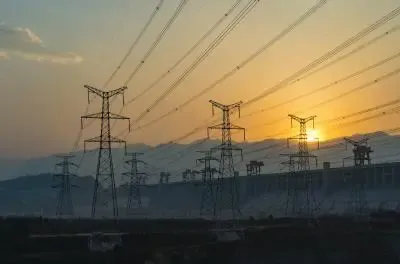
What began as a technical question about whether Kerala needed emergency power has hardened into a full-blown political battle. With the new KSEB Chairman saying no immediate purchase was needed — contradicting a predecessor's urgent warning — both Vijayan and Satheesan are now fighting over who manufactured the crisis and who stands to gain from it.
Key Takeaways
Satheesan and Opposition leader Pinarayi Vijayan traded fresh charges on 11 November 2026 over Kerala's proposed power purchase from the private GNA platform .
Vijayan demanded the government release all official files related to the deal, alleging an artificial power crisis was created to benefit private interests.
Satheesan confirmed KSEB had signed no agreement with GNA and said he had sought a full assessment before any commitment was made.
The proposed GNA rate was Rs 8.63 per unit , compared to Rs 14.50 per unit for Himachal Pradesh power; the latter was unavailable as it had been committed to Rajasthan .
The new KSEB Chairman and Energy Secretary told the Chief Minister there was no immediate need for additional power purchase, contradicting a former chairman's urgent warning.
Satheesan said the government is working to secure power from NTPC's Sinnar plant at Rs 5.18 per unit , with a long-term solution expected this month.
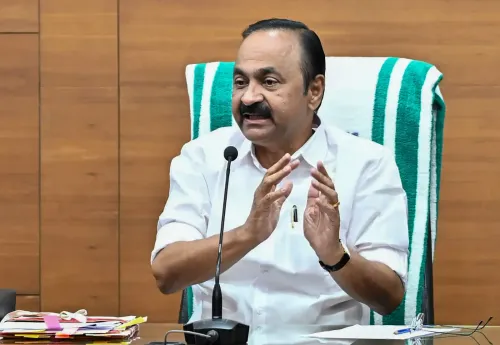
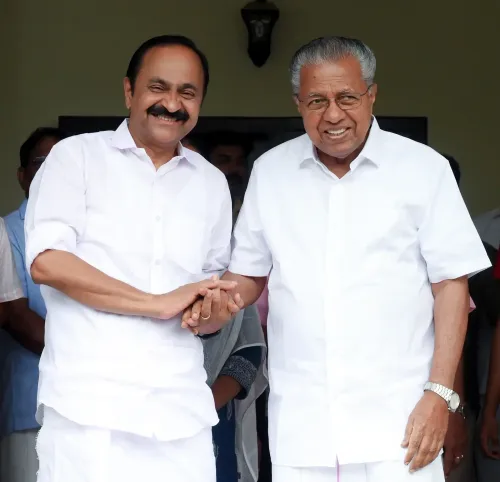
Kerala's power purchase controversy deepened on Wednesday, 11 November 2026, as Chief Minister V.D. Satheesan and Leader of the Opposition Pinarayi Vijayan traded fresh accusations over the UDF government's handling of a proposed electricity deal involving the private GNA platform. The dispute, centred on whether Kerala genuinely faced a power crisis and whether a costly private deal was being pushed through, has now emerged as one of the most charged political flashpoints in the state.
Vijayan's Demands and Allegations
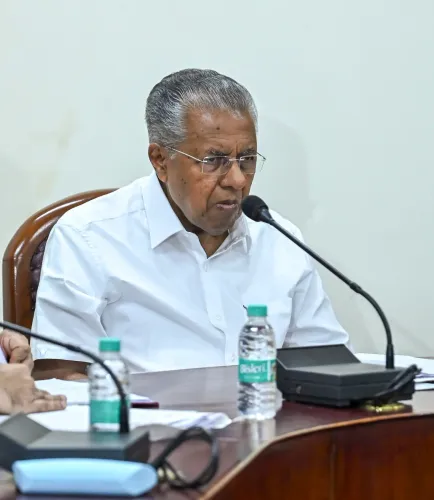
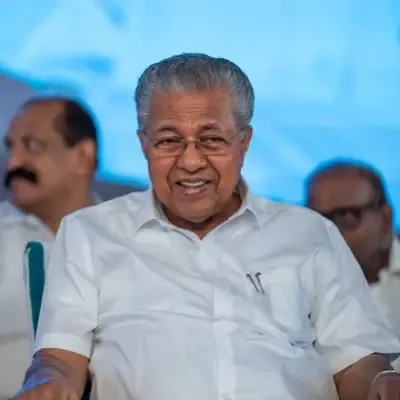
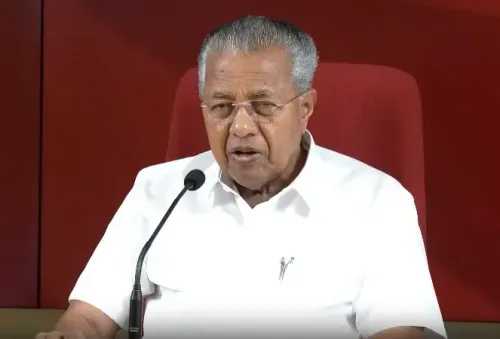
Pinarayi Vijayan, in a Facebook post, demanded that Chief Minister Satheesan make all official files and documents relating to the proposed power purchase deal public. He alleged that the government had manufactured an artificial power crisis to facilitate an expensive arrangement favouring private interests.
Vijayan maintained that the latest developments — specifically, the government's decision to hold back from an immediate purchase through GNA — had vindicated the Opposition's long-standing position that no genuine crisis existed. He also clarified that he had never argued in favour of purchasing electricity from Himachal Pradesh, pushing back against what he described as attempts by the Chief Minister to deflect blame onto the previous Left Democratic Front (LDF) government.
Satheesan's Defence of the Government's Position
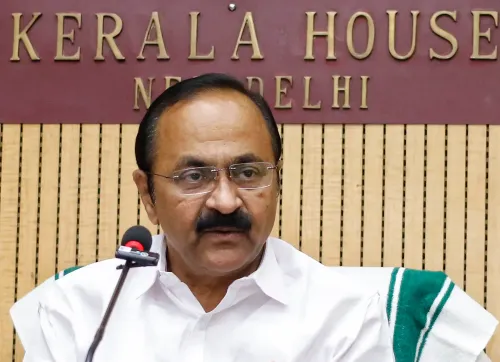
Earlier on Wednesday, Chief Minister Satheesan described the Opposition's arguments as baseless and contradictory. He stressed that the Kerala State Electricity Board (KSEB) had neither issued an order nor signed any agreement with GNA, and therefore the question of withdrawing from a deal simply did not arise.
Satheesan noted that the file received from the Electricity Minister had cited a rate of Rs 14.50 per unit for Himachal power against Rs 8.63 per unit for GNA power. Since Himachal Pradesh had already committed its available surplus to Rajasthan, GNA had appeared to be the relatively cheaper option. He clarified, however, that he had not directed KSEB to sign any agreement, and had instead sought a detailed assessment of the state's actual power requirements.
The Turning Point: KSEB's Own Assessment
The controversy took a significant turn after the new KSEB Chairman and the Energy Secretary informed the Chief Minister that there was no immediate need to procure additional power. Satheesan said that the former KSEB chairman's earlier warning — that prolonged power cuts would follow if an agreement was not signed urgently — now warranted a thorough examination.
Notably, this sequence of events raises questions about whether the initial urgency was driven by genuine technical necessity or by other pressures, something both sides are leveraging for political advantage.
Blame Game Over Long-Term Power Planning
Satheesan squarely blamed the previous LDF government for failing to enter into long-term power purchase agreements, arguing that its over-reliance on short-term procurement had contributed to the current difficulties. He said the present government was working to secure power from NTPC's Sinnar plant at Rs 5.18 per unit and was committed to putting a long-term solution in place within the month.
The Opposition has continued to press its case, insisting that the circumstances surrounding the proposed GNA deal remain unexplained, and vowing to keep the issue alive until the government releases the full documentary record. The row shows no signs of abating, with both sides holding entrenched positions ahead of what could become a broader audit of Kerala's energy procurement practices.
Point of View
Raising uncomfortable questions about whether the crisis framing was technically grounded or politically convenient. Both sides are now entrenched: Vijayan demands documents he knows Satheesan is reluctant to release, while Satheesan deflects by attacking the LDF's long-term planning record. What mainstream coverage underplays is the institutional credibility cost — when two successive KSEB heads give contradictory assessments to the same government, it signals either a governance failure or a politicised technical apparatus, neither of which serves Kerala's energy security.
NationPress
11 Nov 2026
Frequently Asked Questions
What is the Kerala power purchase controversy about?
The controversy centres on Kerala's proposed purchase of electricity through the private GNA platform, with the Opposition alleging that the UDF government manufactured a power crisis to facilitate an expensive private deal. Chief Minister V.D. Satheesan has denied that any agreement was signed, while Opposition leader Pinarayi Vijayan has demanded the full release of official files related to the proposed deal.
What rates were quoted for the proposed power purchases?
According to Chief Minister Satheesan, the file sent by the Electricity Minister cited Rs 14.50 per unit for Himachal Pradesh power and Rs 8.63 per unit for GNA power. Himachal Pradesh's available power had already been committed to Rajasthan, making GNA appear the cheaper option at the time.
Why did the Kerala government hold back from the GNA power deal?
The government decided against an immediate purchase after the new KSEB Chairman and the Energy Secretary informed Chief Minister Satheesan that there was no immediate need to procure additional power. This directly contradicted an earlier warning by the former KSEB chairman that prolonged power cuts would follow without an urgent agreement.
What alternative is the Kerala government pursuing for power supply?
Chief Minister Satheesan said the government is working to secure power from NTPC's Sinnar plant at Rs 5.18 per unit and plans to put a long-term procurement solution in place within November 2026.
What has Pinarayi Vijayan demanded from the Kerala government?
Vijayan has demanded that Chief Minister Satheesan publicly release all official files and documents related to the proposed GNA power purchase. He also denied ever supporting a purchase from Himachal Pradesh and said recent developments vindicate the Opposition's position that no genuine power crisis existed.